

—
A dangerous heat wave is sweeping across the Midwest and East Coast this week, with heat index values expected to reach dangerous extremes in many areas. The situation is particularly challenging for those without air conditioning, but health experts and researchers say there are proven ways to stay safe and cool even without relying on mechanical cooling systems.
The current heat wave has brought severe conditions to much of the country. At least 230 million people in the U.S. — about two-thirds of the population — could be exposed to extreme heat that could lead to health issues this week. In some areas, nighttime temperatures are offering minimal relief, with overnight lows in some urban areas forecast to hover near 80 degrees, creating a relentless environment that prevents the body from recovering during sleep.
The challenge is compounded in parts of Minnesota and the Upper Midwest, where severe storms knocked out power to tens of thousands of residents on Monday as a heat dome settled over the region. Just as dangerous heat conditions intensified, many people suddenly lost access to air conditioning when powerful storms with wind gusts exceeding 100 mph in some areas knocked down trees and damaged power lines.
For those without access to air conditioning, the key is finding ways to stay hydrated and lower body temperature. Health experts recommend drinking plenty of fluids throughout the day and putting cold water or a cold rag on hands, feet, armpits and neck. A portable handheld fan or cooling vest can also help. If you’re exercising during hot weather, avoid the hottest times of day and bring more water than you think you need.
Managing your home’s temperature without AC requires strategic use of windows and fans. During cooler evening hours, open all windows and promote air circulation. As the sun rises, close all doors and windows and make sure to close curtains and blinds to keep the indoors cool as long as possible. Once the outside air cools to a lower temperature than inside, usually in the evenings or at night, open up the windows and turn on the fans again. This practice, known as night-flush ventilation, allows cooler air to circulate all night and helps you start fresh with a cool home in the morning.
During the day, using fans strategically can help. Fans keep air moving around rather than cooling the air itself, so direct the fan’s airflow toward occupied areas or set up fans to draw in cooler outside air. In humid climates, fans alone may not be sufficient, but they remain useful when combined with other cooling strategies.
Reducing sources of heat in your home matters significantly. Incandescent light bulbs generate unnecessary heat, as do computers and appliances left running. Delay using your oven, stove, dishwasher and clothes dryer until evening hours when temperatures are cooler. If possible, cook on a grill outside instead of using your oven. Eating fresh foods that don’t require cooking can also help prevent additional indoor heat generation. Additionally, a basement can provide a cool refuge from midday heat because heat rises.
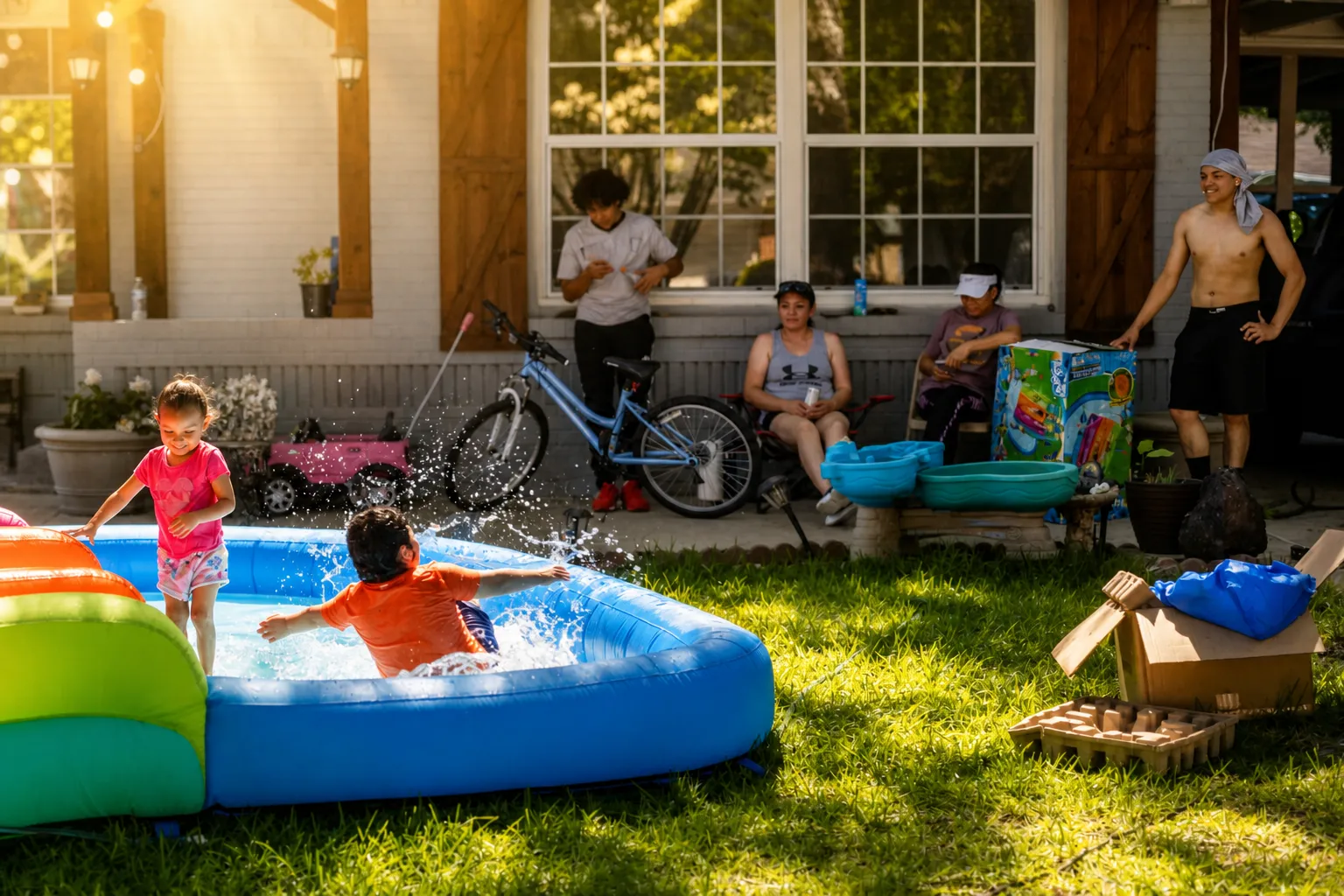
Block direct sunlight by closing curtains or blinds in rooms that receive direct sun. Light-colored shades are more effective than darker ones at reflecting visible light wavelengths where much of the sun’s energy concentrates. Taking lukewarm showers or going for a swim can help your body cool down quickly.
For those who truly cannot cope with the heat at home, public spaces offer alternatives. If you don’t have air conditioning, find public places that do, including movie theaters, malls and libraries. Many communities set up cooling centers specifically designed to provide relief from extreme heat. These facilities offer air-conditioned space, water, restrooms, and sometimes medical attention or referrals to social services. Cooling centers are typically sited at multiple locations throughout a municipality, such as public libraries, community centers, senior centers and police stations.
Those without air conditioning can also find assistance through various programs. The Low-Income Home Energy Assistance Program can help people buy a window air conditioning unit, according to the National Council on Aging. Some local nonprofits and civic organizations can also provide support.

It’s important to recognize that certain groups face greater risk during extreme heat. Scorching temperatures, especially combined with high humidity, pose particular risks to children, older people and those with certain health conditions. However, anyone can suffer from heat-related illness if they don’t take proper precautions.
Understanding warning signs of heat-related problems is crucial. Early trouble signs include heavy sweating, muscle cramps and headache. When these symptoms appear, you should stop what you’re doing and cool yourself off — for example by splashing yourself with cold water or finding an air-conditioned space. As heat exhaustion sets in, new symptoms arrive, including faster heart rate and dizziness.
The danger posed by hot weather depends on more than just temperature alone. The wet bulb globe temperature (WBGT), which includes temperature, humidity, cloud cover and wind, provides a more detailed measurement of actual danger. The heat index, which measures temperature and humidity, is less detailed but easier to find on weather apps. These measures explain why a shaded soccer field on a 90-degree day in arid Phoenix may be less risky than an exposed park on an 80-degree day in a humid environment.
One particularly dangerous aspect of this heat wave is the lack of overnight relief. Overnight temperatures that don’t drop below 75 degrees Fahrenheit mean your body doesn’t get the reprieve it needs to prepare for the next day. If you can’t afford to cool your entire house, experts recommend creating a “cool corner” where you can sleep, so your body is better prepared to handle the next day’s heat.
Climate change is exacerbating heat waves and heat stress. The average number of heat waves in the U.S. Has doubled since the 1980s, and heat was responsible for significant mortality increases in recent years.
For those facing this heat wave while dealing with power outages from severe storms, the situation is particularly urgent. Finding a cooling center, staying with friends or family who have air conditioning, or seeking refuge in public air-conditioned spaces becomes essential. The combination of extreme heat and power loss creates a life-threatening scenario that requires immediate action to find alternative cooling sources.