

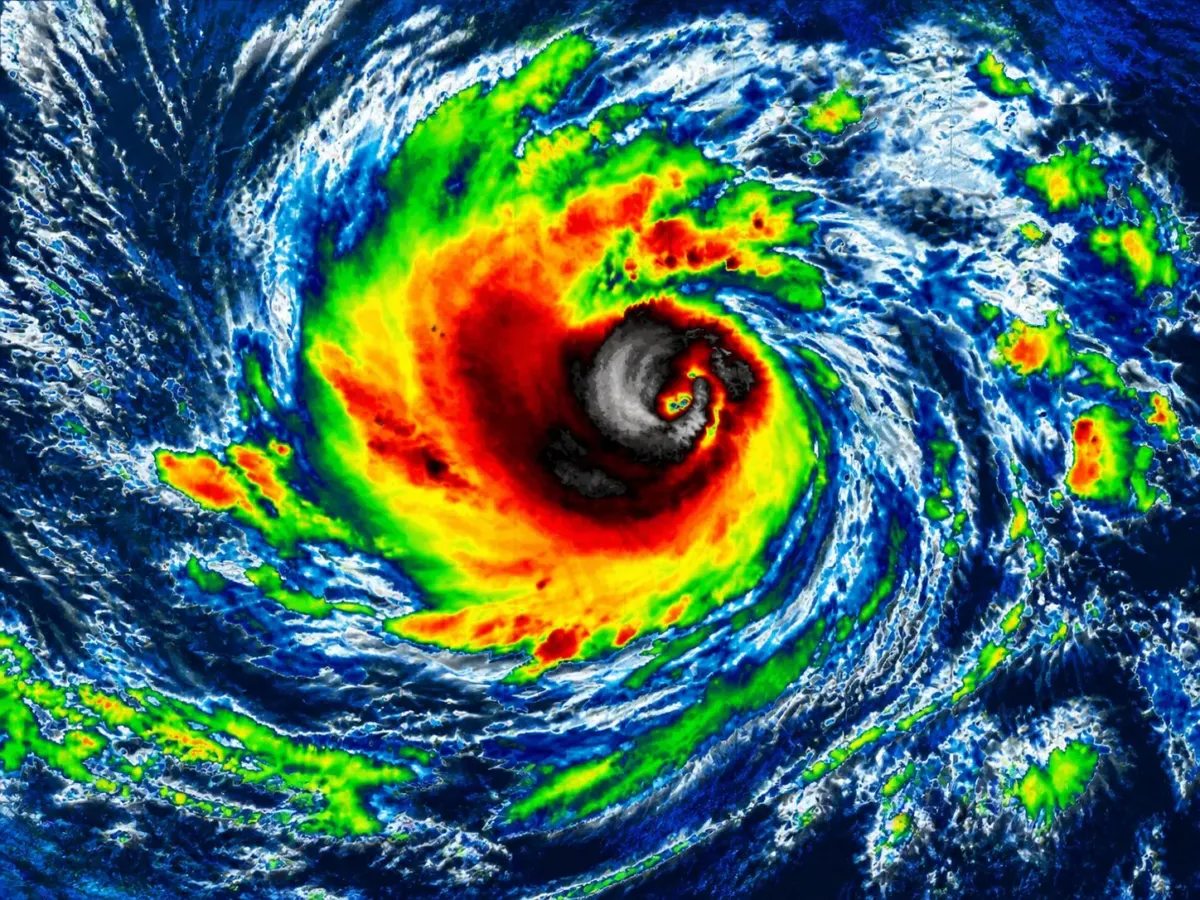
Hurricane Lowell is still barreling toward a possible northward turn that could threaten Hawaii early next week, forecasters warned Thursday.
The storm, which briefly hit Category 5 strength on Wednesday before weakening to Category 4, was located 450 miles south-southwest of Hilo on Thursday morning with maximum sustained winds of 140 mph, according to the National Hurricane Center. Lowell had reached the highest classification on the Saffir-Simpson scale, with winds of 157 mph or higher, before easing slightly.
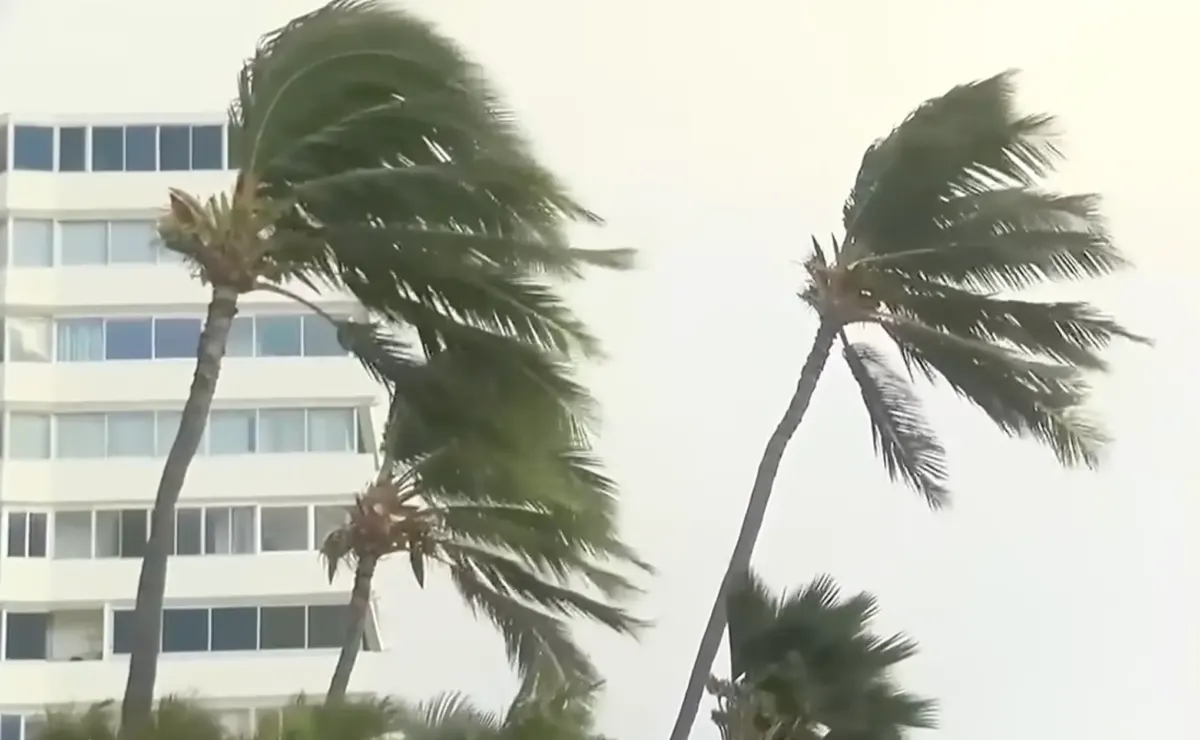
John Bravender of the National Weather Service told KHON2 news that the hurricane “could bring some impacts to the Islands early next week.” The National Hurricane Center advisory echoed that concern, stating that “Lowell could bring storm surge, wind, and rainfall impacts to portions of Hawaii early next week.”
The exact timing of Lowell’s anticipated turn remains uncertain, and experts say it is “too soon to determine the exact track of the hurricane.” What forecasters do know is that the storm is “expected to remain a major hurricane” for several days, packing winds well above the 130 mph threshold for Category 4 status.
The National Weather Service, which notes that “catastrophic damage will occur” at both Category 4 and Category 5 levels, is urging residents to “make a plan for the worst case scenario in order to take action if and when needed.”

Bravender emphasized ocean safety as an immediate concern through the Labor Day holiday weekend, warning of “very large swells” arriving from the south and southwest even before any direct hit. With the Atlantic and Pacific hurricane seasons already exceptionally active, he stressed that “people need to be ready for potential impact.”
“We could have some pretty serious damage, and people need to be ready for that,” Bravender warned. He advised residents to prepare “just in case” Lowell’s track shifts closer to the islands.
The American Red Cross announced Thursday that it has prepared to respond over the Labor Day weekend. The organization advised Hawaiians to “have a plan to evacuate and a plan to shelter safely at home.”
“Your evacuation plan should include knowing where you’ll go, how you’ll get there, and where you’ll stay,” the Red Cross stated. “Your stay-at-home plan should focus on gathering the right supplies so that you can live safely without power, water, gas, phone or internet for a long time.”
The relief organization also warned that communications infrastructure could fail, urging residents to prepare for scenarios where internet and phone lines are cut.