

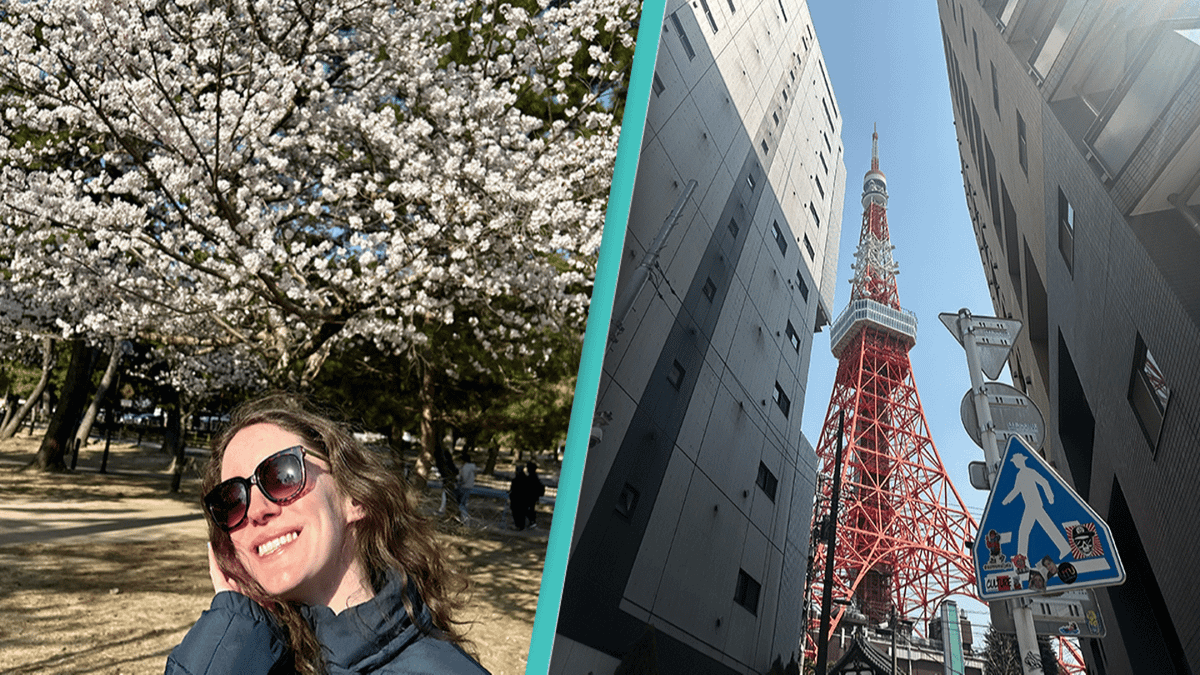
For a brief window each spring, places all over Japan turn blush-pink as cherry trees burst into flower — a celebration known as sakura season.
From riversides to parks to major shopping streets, the scenery shifts into soft pastels, and it really is as dreamy in person as it looks in photos.
I’d wanted to experience it for years, so last spring I finally booked it: three unforgettable weeks traveling around Japan, timing my route to see the blossoms at their best.
And I wasn’t alone. The sheer number of people out for hanami makes it clear this is a shared ambition — every year, tens of millions travel within Japan to see the bloom.
Based on the latest Japan National Tourism Organization forecast, blossoms are expected to open from around March 20 in Fukuoka, roughly March 21 in Tokyo and March 24 in Osaka, with the season stretching northward until about May 10 in Kushiro.
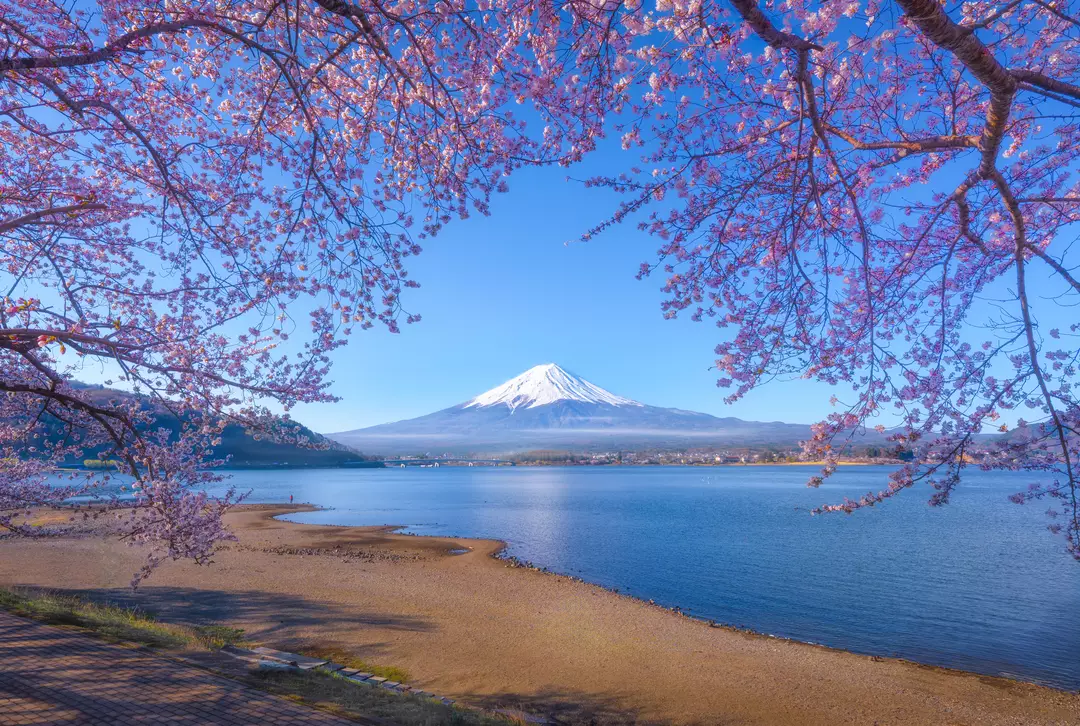
But while sakura may be the headline act, it’s only one part of what makes Japan such a compelling place to visit.
Even with a trip that memorable, a few things didn’t go quite how I imagined — and I learned a lot along the way.
So whether you’re visiting for cherry blossom season or traveling at another time entirely, here are the main takeaways I wish I’d known sooner.
For many people, Tokyo is the gateway to a bucket-list view: Mount Fuji.
When I was building my itinerary, I was determined to do a tour that promised multiple stops and multiple angles, each with its own picture-perfect backdrop.
Looking back, I’d skip that approach next time.
Weather is the one thing you can’t schedule, and our guide seemed to sense the skepticism as we climbed onto the coach under a heavy, grey sky.
He checked his phone and assured us Fuji had ‘100 percent visibility,’ seemingly to keep morale up.
We did get to see a few interesting places, but Fuji itself barely made an appearance. Ironically, the clearest shot we got was from the coach between stops — and even that wasn’t much to write home about.
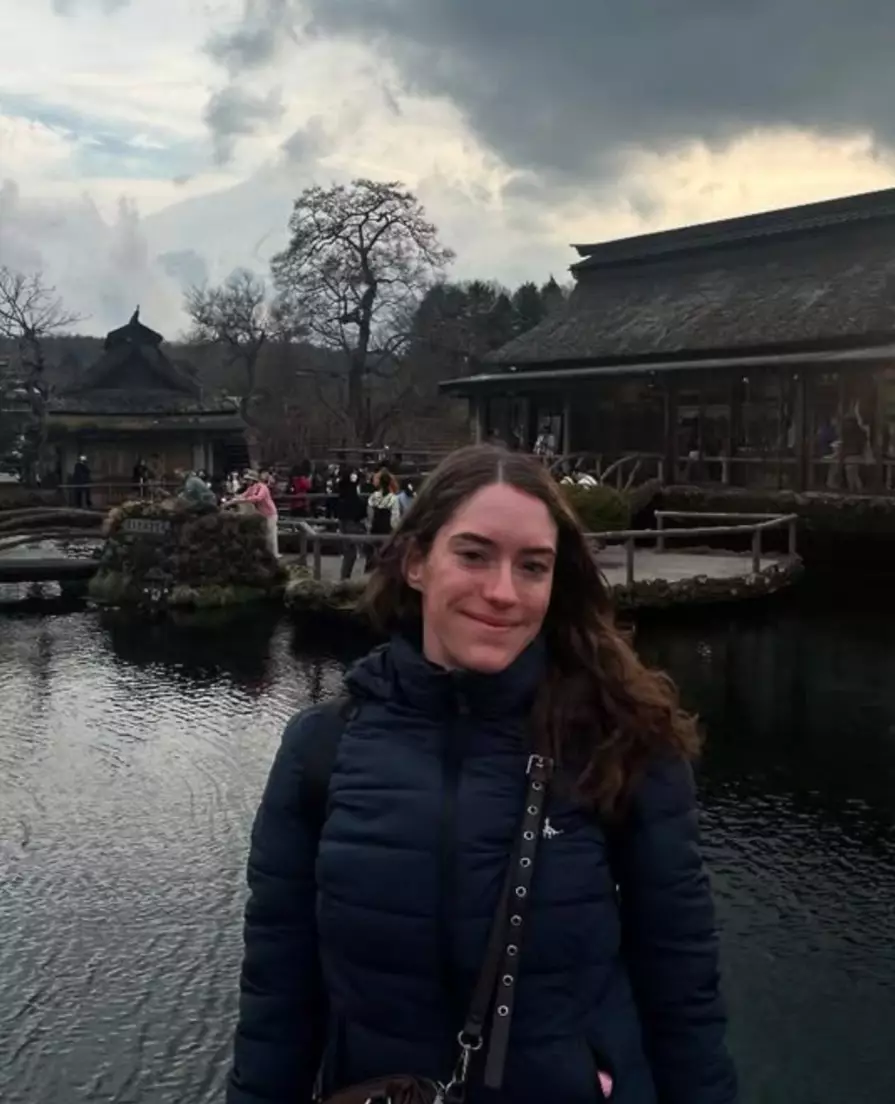
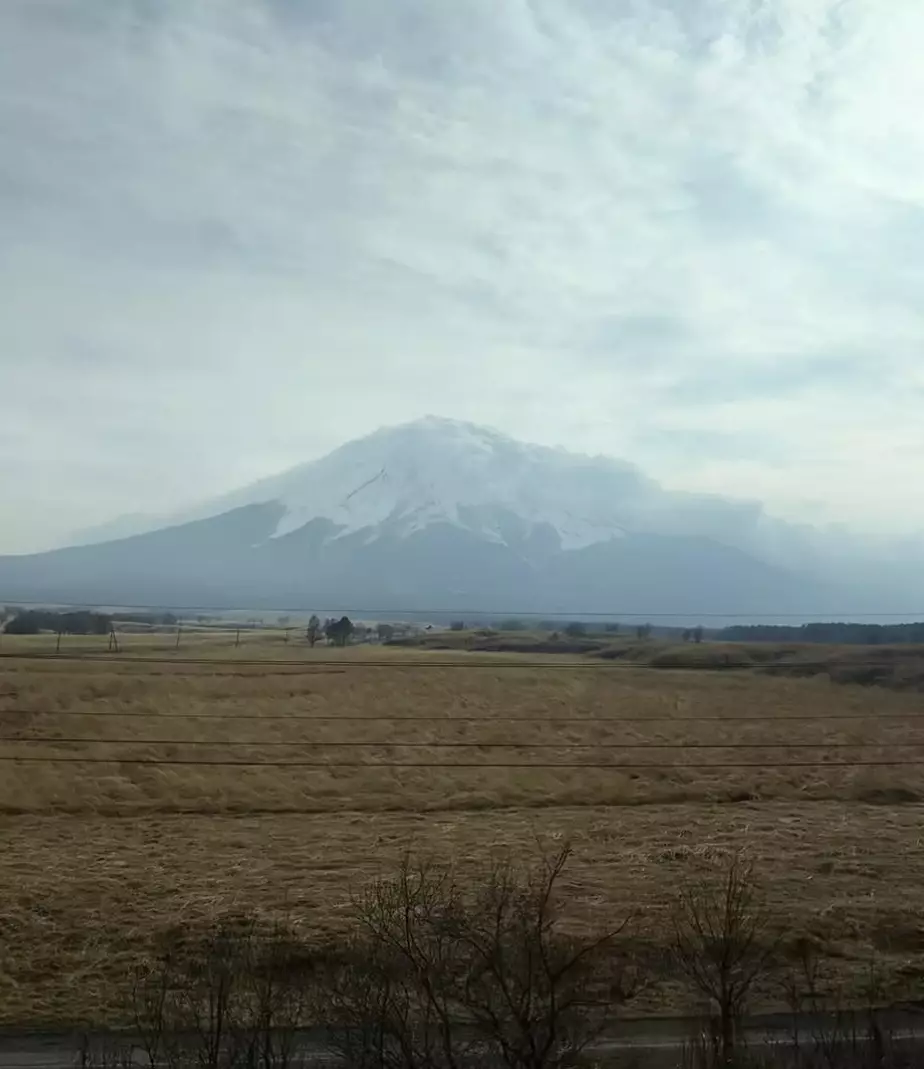
A few nights later, I met some people in a Golden Gai bar and felt instant envy when they showed me their crystal-clear Fuji photos from a bright, cloudless day.
Next time, I won’t pin myself to a fixed tour date booked weeks ahead.
I’ll watch the forecast and go to a reliable viewpoint when conditions are actually good — and that’s the strategy I’d recommend to anyone else too.
Japan is the kind of destination where you can plan and plan, yet still end up feeling like you overlooked something.
Fuji was the example of planning too early. But elsewhere, I missed out because I didn’t plan early enough.
Sometimes it really does feel like you can’t win.
We kept spotting ads for real sumo events but never committed to buying tickets. And I’d assumed a traditional matcha tea ceremony would be easy to arrange last-minute — only to find many options were fully booked weeks in advance.
Then there were the smaller experiences that I somehow just… didn’t do.
I still wish I’d popped into one of the many arcades we passed constantly, even if some are more novelty than must-see.
Just like the sumo idea, it went onto the mental ‘to-do’ list and never became an actual plan.
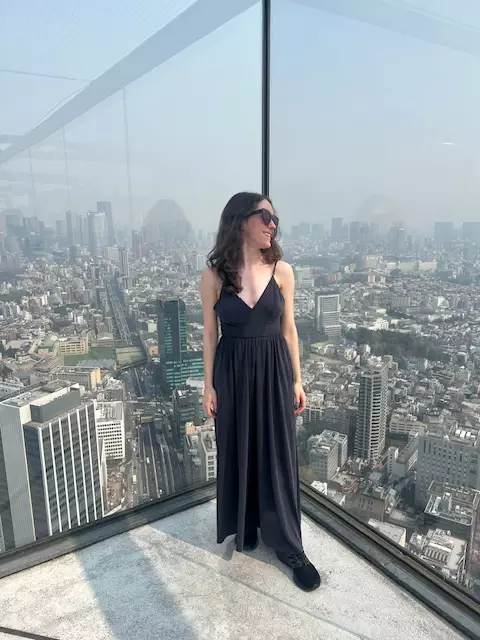
That said, a few advance bookings were absolutely worth it. We couldn’t get sunset slots for Shibuya Sky — the observation deck above the Shibuya Scramble area — but even during the day it was a standout.
The views across Tokyo are incredible, and this time we lucked out with clear skies.
We also reserved a spot at Kyoto’s viral Macho Bar, a knowingly ridiculous venue where hyper-muscular staff serve food and drinks while posing, flexing, and leaning into the drama with loud, theatrical music. It’s pure gimmick — and still wildly entertaining.
But one of my best memories wasn’t booked at all.
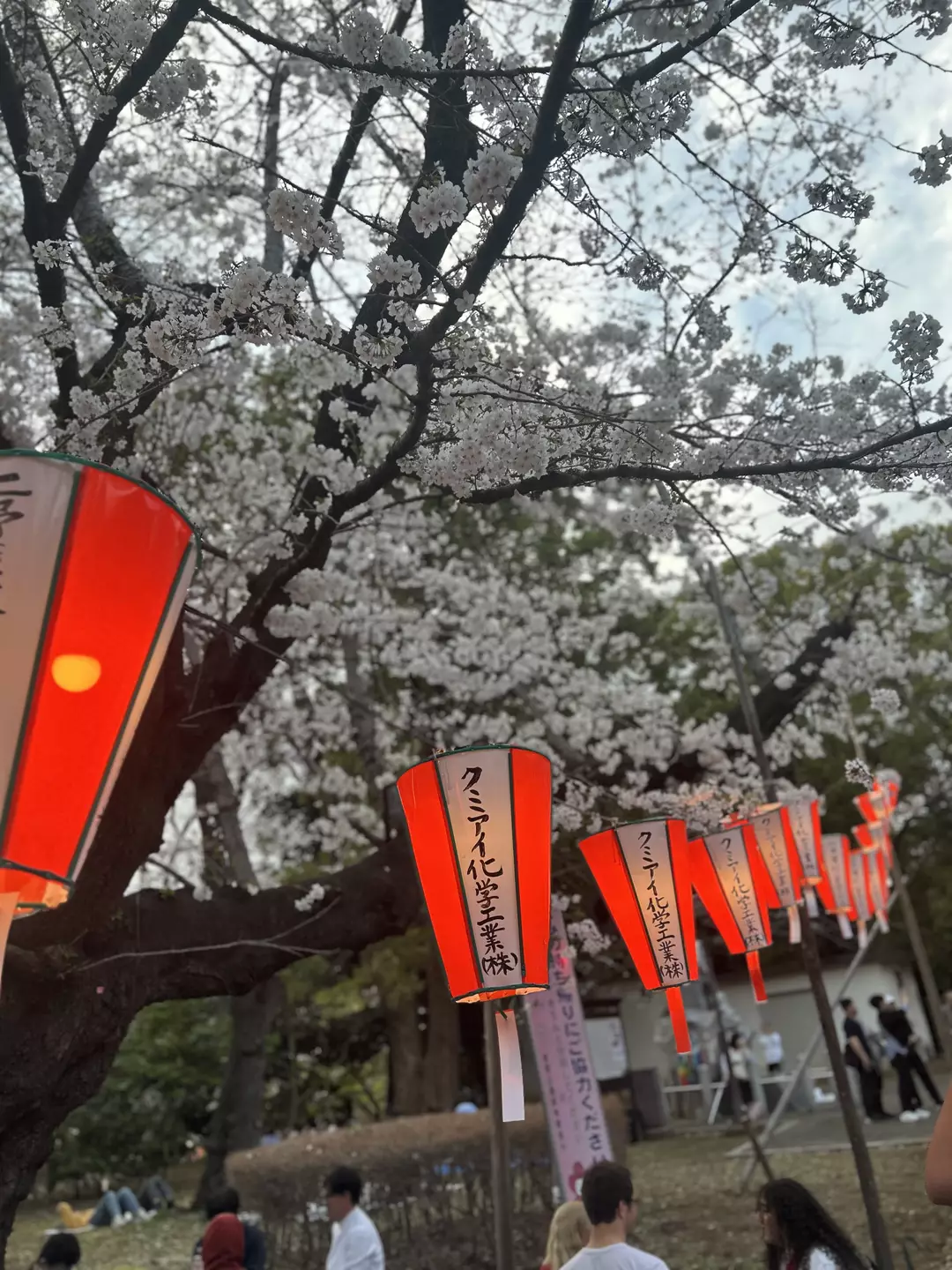
We walked into Ueno Park on a Friday afternoon and immediately realized we’d stumbled into a sakura festival — food stalls, live performances, and groups picnicking beneath the blossoms. It was the kind of moment you can’t plan, and it felt special because of that.
That’s the balance Japan demands more than most trips: reserve the things that truly need reserving, but leave enough room for surprises.
Those unplanned moments are often the ones that stick with you.
One mistake still frustrates me.
While I was in Osaka, I discovered far too late that my favorite DJ, Alison Wonderland, was playing there that very night.
She’d announced it only a few weeks earlier — and I’d missed the news while trying to pull my trip together at the last minute.
It felt absurdly unlikely: my favorite artist, based in the US, performing in the exact city I (usually living in the UK) happened to be visiting for four days during a three-week trip.
Unfortunately, same-day tickets were gone. If I’d noticed even half a day earlier, I’m convinced I could’ve made it.
So when you travel, it’s worth checking local listings for gigs, comedy, pop-ups, and events. Every so often, you’ll get lucky — or nearly lucky, in my case.
Japan is genuinely friendly and helpful, but the language barrier can still trip you up — and my high-school Japanese definitely wasn’t enough.
Later in the trip, a kind Uber driver chatted to us about his life and Japanese pop culture using an app called VoiceTra.
It translates speech in real time, and it made conversation feel effortless.
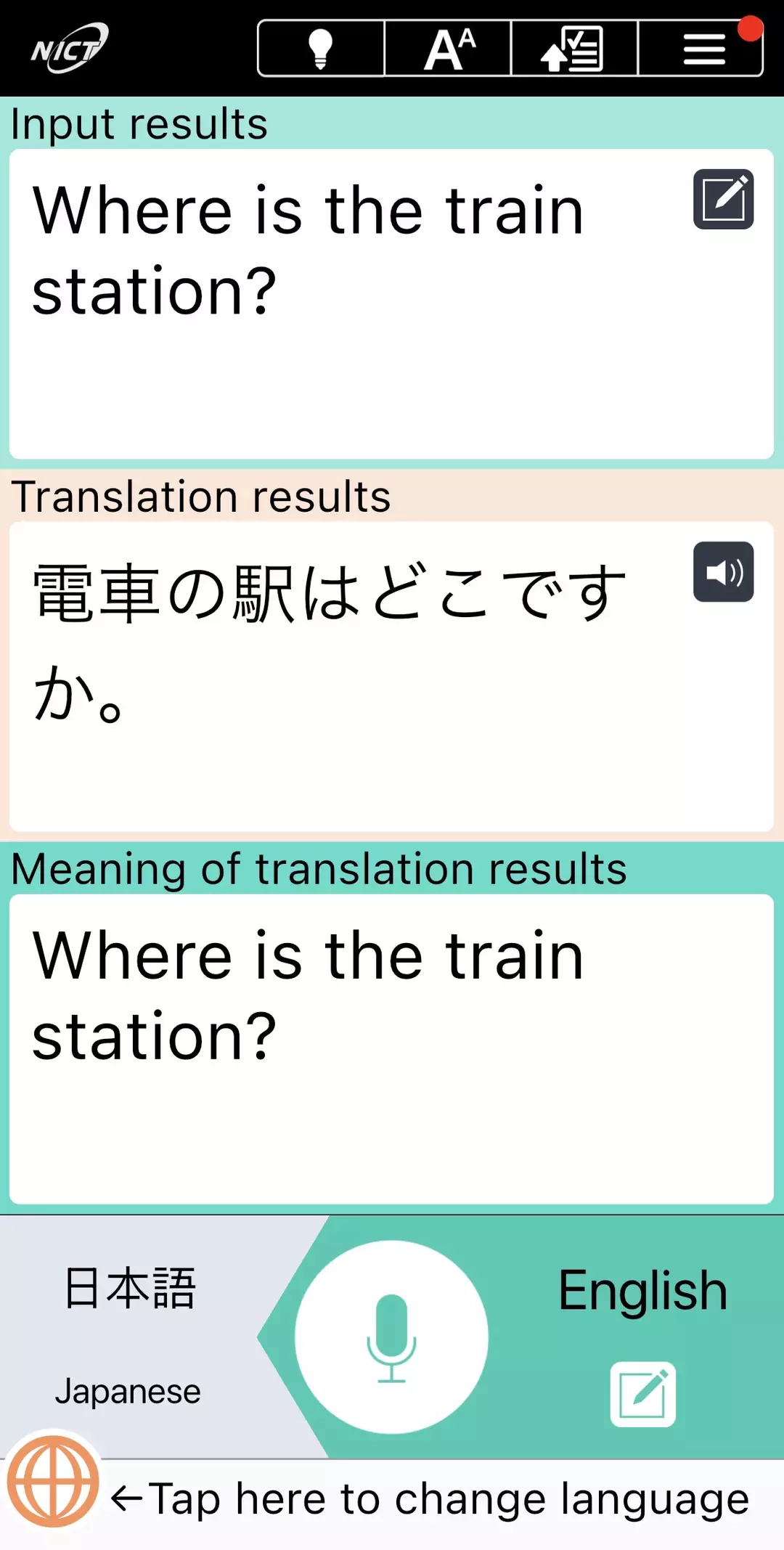
Having it earlier would’ve prevented a few awkward metro moments and some slightly stressful interactions in shops.
Because it supports multiple languages, it’s also handy for travel well beyond Japan.
If I had one overall regret, it’s that I didn’t allocate even more time to Tokyo.
We stayed a week, and it still didn’t feel like enough.