

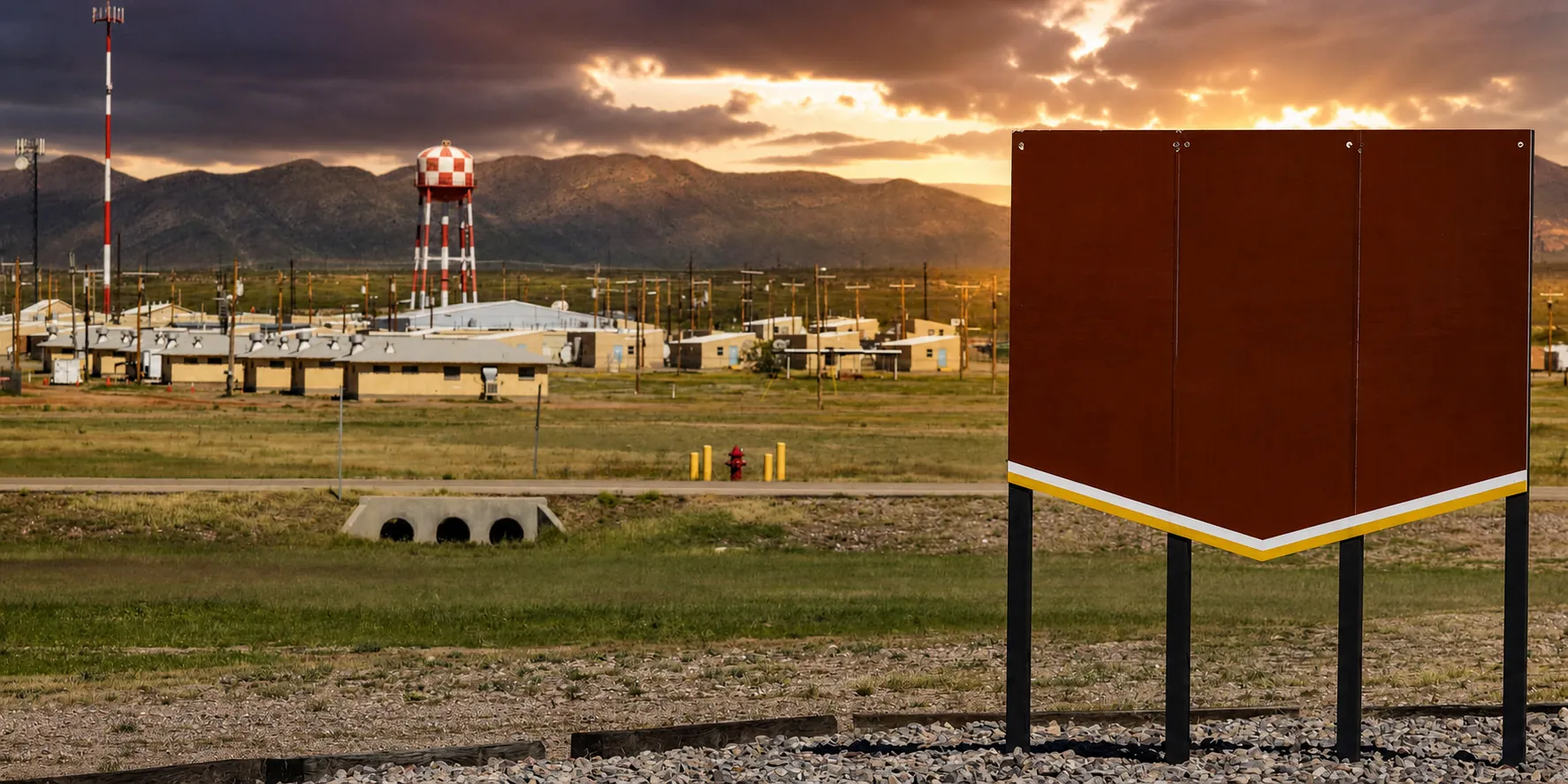
Detainees held at Camp East Montana, the nation’s largest immigration detention facility located at Fort Bliss military base in El Paso, Texas, have reported experiencing a pattern of frequent beatings, sexual abuse, and severe medical neglect, according to reports from human rights organizations that have intensified calls for the facility’s closure.
Human Rights Watch and the American Civil Liberties Union released an 84-page joint report documenting conditions at the sprawling tent facility. The organizations conducted interviews with dozens of people currently detained at the camp and found evidence of what they describe as indiscriminate violence by guards, systematic failures in medical care, and coercive deportation practices that some legal experts say may constitute enforced disappearance under international human rights law.
The allegations are detailed and specific. One detained teenager, identified by the pseudonym Samuel to protect his identity, described being beaten so severely that he required hospitalization. He reported that officers slammed him to the ground, breaking his front tooth, and committed sexual assault during the assault. Another detainee, identified as Ignacio, reported similar patterns of sexual abuse during forced deportation procedures.
Multiple detainees described guards beating them in response to hunger strikes, requests for medical attention, complaints about detention conditions, and even efforts to obtain outdoor recreation after prolonged indoor confinement. Some reported collective punishment, where guards struck multiple detainees after accusing just one person of violating facility rules. Others described verbal abuse, threats, and retaliation for requesting necessities or attempting to assert their rights.
The medical neglect documented at the facility appears systemic. Every person interviewed described failures in the medical request system. Detainees reported prolonged delays in receiving treatment, interruptions in prescribed medications for serious conditions including HIV, cancer, and diabetes, and inadequate medical assessments. When detainees sought emergency medical care, they sometimes faced punitive responses from staff.
The facility has also been marked by deaths in custody. At least three people have died at Camp East Montana since its opening in August 2025. One death, that of Cuban national Gerardo Lunas Campos, was ruled a homicide by the El Paso County Medical Examiner’s Office. Witnesses told investigators they heard guards beating Campos and heard him calling out that he could not breathe before he became unresponsive. He had requested medication while in solitary confinement.
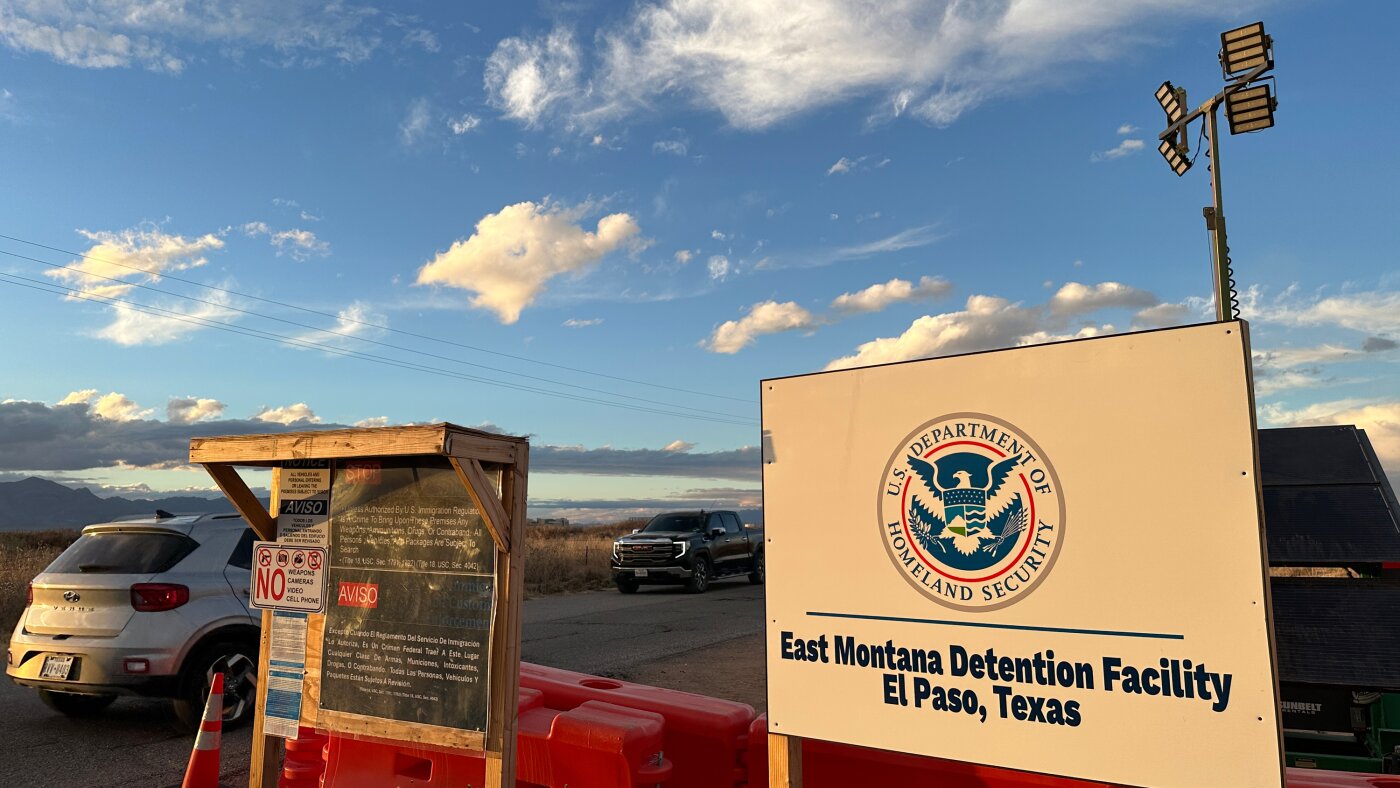
Conditions inside the tent structures are described as inhumane. Detainees reported living in filthy, cramped spaces with up to 72 people housed in single pods, bathrooms covered in feces, flooded housing units, and a constant smell of urine and feces. Many reported inadequate access to basic hygiene products. One detainee described receiving only two pieces of bread, a piece of ham or bologna, a slice of cheese, and a cookie for all three meals. Water has been described as foul-tasting, and cleaning appears minimal despite the harsh desert conditions.
The facility holds approximately 3,000 detainees currently but has the capacity to hold up to 5,000 people. It is located on the site of a former military base that was used to intern people of Japanese descent during World War II.
The Trump administration hastily opened the sprawling tent camp in August 2025 despite warnings from members of Congress and advocates that the facility would be a humanitarian disaster. Within weeks of opening, a leaked internal ICE inspection found the facility violated over 60 federal detention standards. A more recent internal ICE investigation documented impermissible and unreported uses of force.
Despite these documented violations and the pattern of abuse allegations, Fort Bliss passed a February 2026 ICE inspection. The facility accumulated nearly 50 violations during that inspection, including inadequate medical care and failures to conduct required suicide prevention checks, yet was still deemed compliant by inspectors.
Human rights advocates argue the inspection process itself lacks meaningful enforcement mechanisms. Facilities can accumulate dozens of violations and still pass inspection. There are currently no automatic consequences for violations, such as a requirement to shut down a facility even when conditions pose clear risks to human life.
A federal lawsuit was filed in May 2026 against ICE and the Department of Homeland Security by four detainees seeking class action status on behalf of all current and future detainees at the facility. The plaintiffs allege violations of Fifth Amendment due process rights and violations of the Administrative Procedure Act. The lawsuit describes “egregious physical abuse by guards” and “abhorrent medical and mental health care” at the facility.
The Department of Homeland Security has categorically denied the allegations. In statements to media outlets, DHS officials have said any claims of inhumane conditions are “categorically false,” asserting that detainees receive proper meals, quality water, blankets, medical treatment, and opportunities to communicate with family members and lawyers. DHS has stated that ICE maintains higher detention standards than most U.S. Prisons holding American citizens.
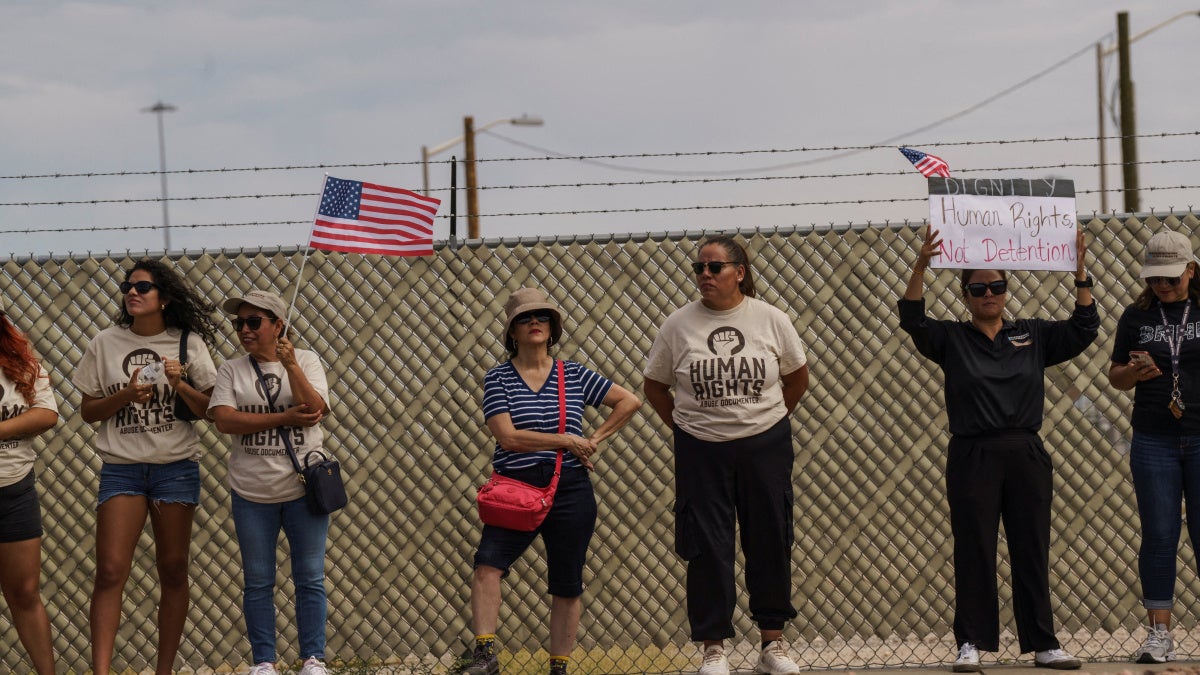
Immigrant advocates and Democratic lawmakers have called for the immediate closure of Camp East Montana. The facility represents a significant expansion of immigration detention infrastructure as the Trump administration pursues aggressive deportation policies. Critics warn that the conditions at Fort Bliss may serve as a model for additional detention expansions planned across the country, potentially spreading similar patterns of abuse to other facilities.
Human Rights Watch and the ACLU have called on the U.S. Government to close the facility and conduct independent investigations into deaths in custody, excessive force, medical neglect, and coercive deportation practices.