

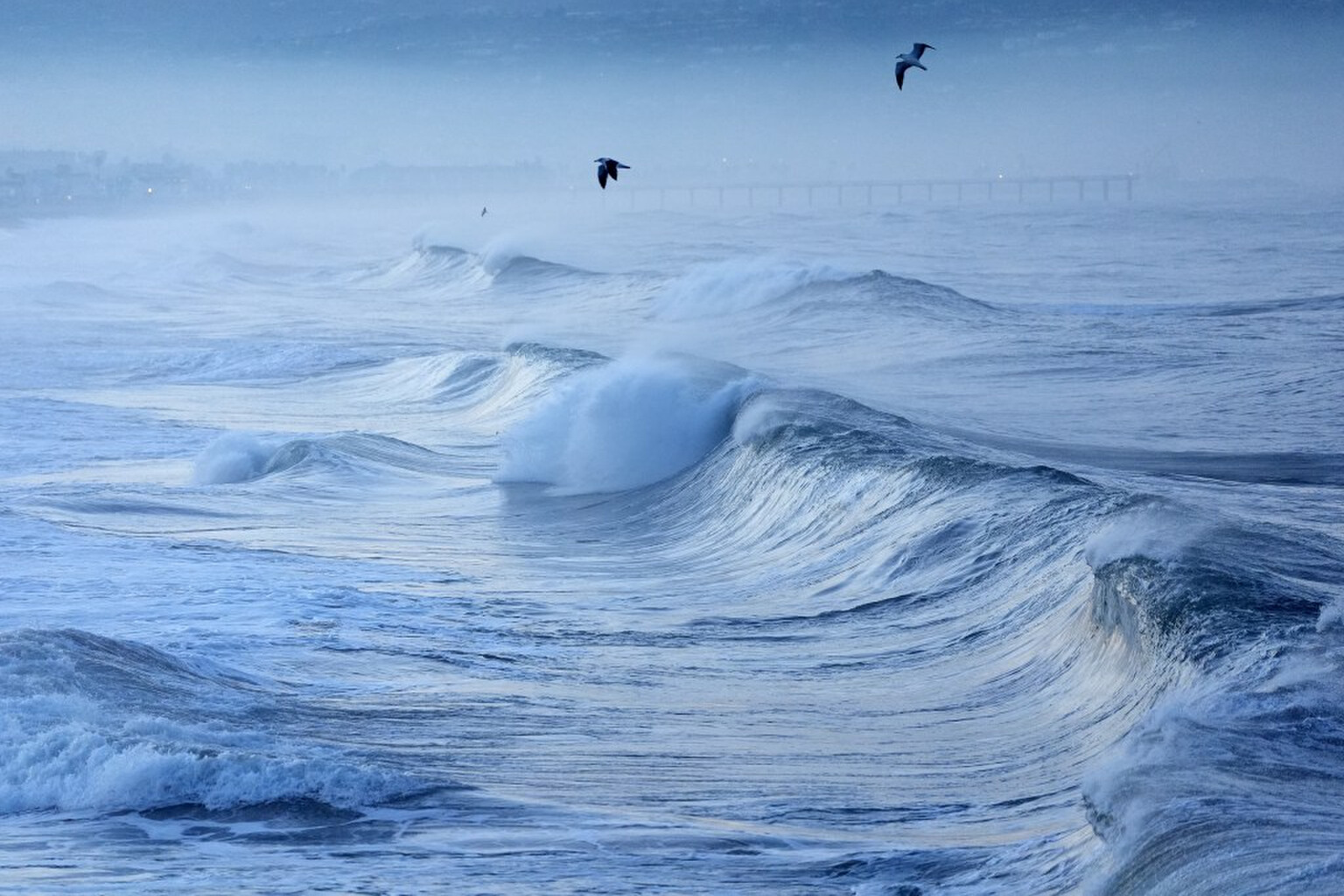
Monster waves slammed the California coastline this weekend, forcing the shutdown of at least two beloved piers within 24 hours.
The city of Manhattan Beach, 19 miles southwest of downtown Los Angeles, barred all foot traffic from its landmark pier Saturday morning as surf heights turned dangerous. Officials posted the closure around dawn, citing conditions too hazardous for pedestrians on the 928-foot structure.
“For public safety, pedestrian access is prohibited until further notice,” the city wrote in its announcement. “Please avoid the area. Updates will be provided as conditions change.”
The Manhattan Beach order landed just hours after another iconic span went dark. On Friday, San Luis Obispo County authorities shut down the Pismo Beach Pier roughly 200 miles up the coast, describing the surf there as “dangerously large.”
Both closures arrived amid a broader swell event that sent towering breakers from Southern California northward past the San Francisco Peninsula. The synchronized shutdowns transformed a routine winter swell into a rare dual closure of two of the state’s most photographed coastal structures.
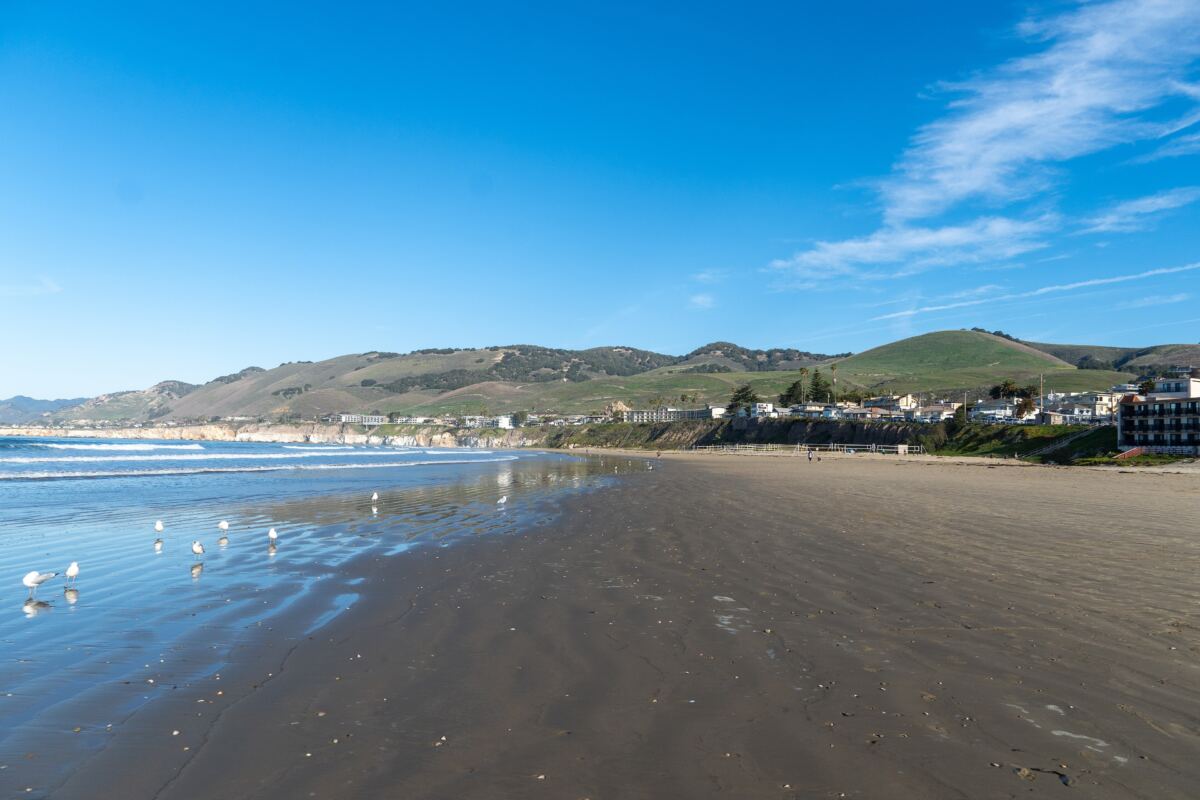
The Manhattan Beach Pier draws steady crowds year-round for fishing, photography, and sunset walks along its octagonal end house. Saturday’s closure marked an abrupt halt to that traffic, with the city warning that the prohibition would stay in place indefinitely.
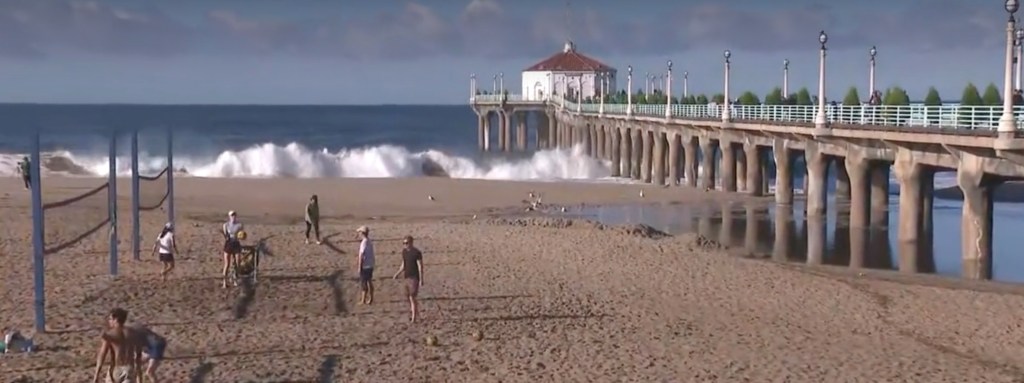
“Due to high surf and hazardous wave conditions,” the city explained in its morning alert, framing the decision as a direct response to immediate oceanic threats rather than precautionary planning.
The back-to-back piers closures underscored the unusual intensity of the weekend’s surf. While winter storms commonly generate heavy waves along the California coast, simultaneous emergency shutdowns of major public structures remain uncommon, suggesting conditions exceeded typical seasonal thresholds.
Pismo Beach, a Central Coast tourist hub, saw its pier closed a full day earlier than its southern counterpart, indicating the swell’s northern arrival before pushing south into Los Angeles County waters. The county’s characterization of “dangerously large” waves hinted at heights and power sufficient to sweep individuals off exposed structures.
Neither city offered a projected reopening timeline, tying restoration of public access to observable improvements in surf behavior rather than calendar dates. The Manhattan Beach announcement emphasized that updates would follow “as conditions change,” leaving visitors and residents to monitor official channels for relief.