

—
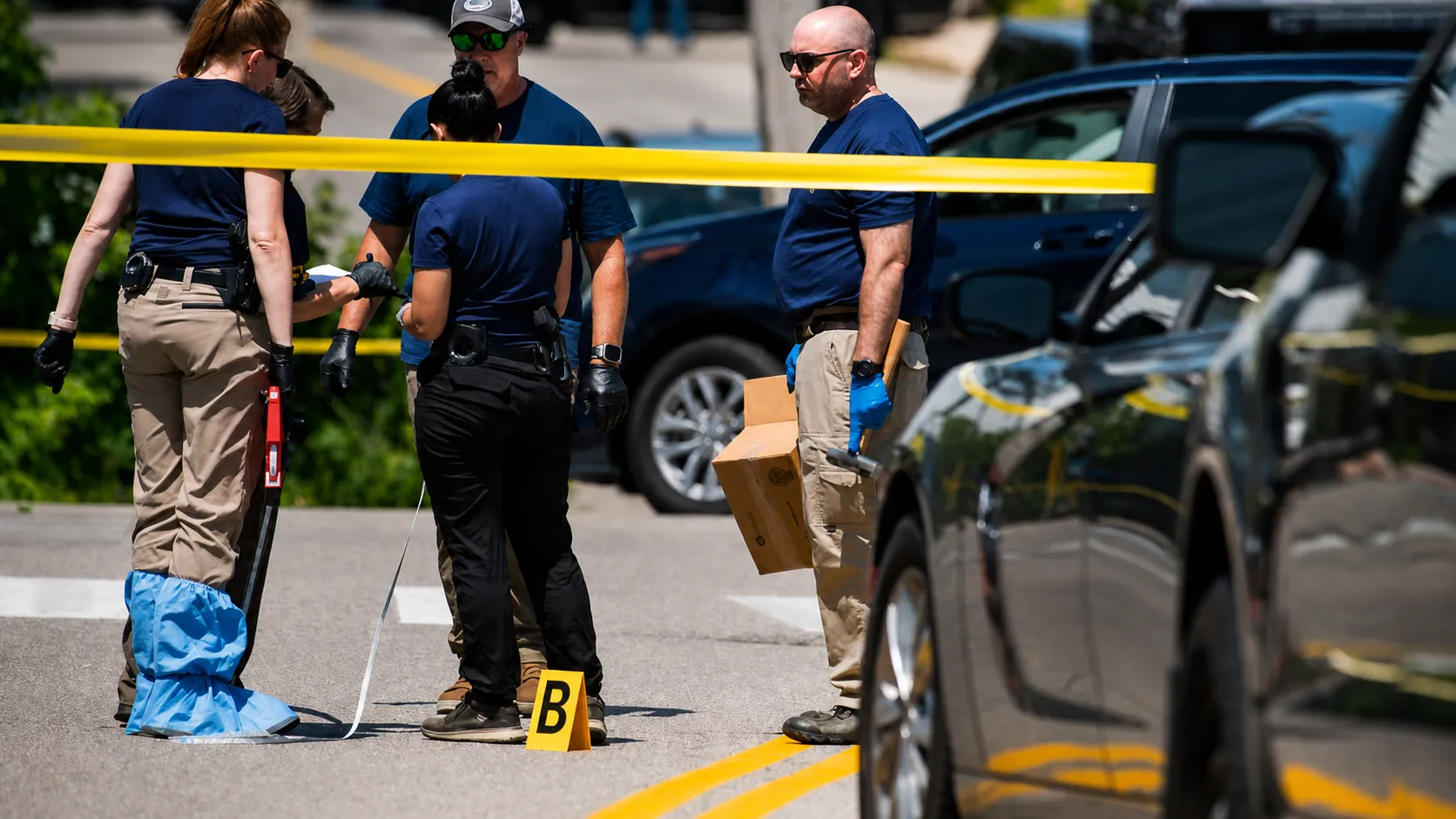
In the small coastal city of Biddeford, Maine, a familiar tragedy unfolded Monday morning when Immigration and Customs Enforcement agents shot and killed a 26-year-old delivery driver during what started as a routine immigration enforcement operation. The incident marked the second fatal shooting by ICE agents in less than a week and has reignited scrutiny over the agency’s tactics as the Trump administration intensifies its immigration crackdown.
The man killed was identified as Joan Sebastian Guerrero, a Colombian national who had immigrated to Maine seeking to build a better life for his family. He worked as a delivery driver for DoorDash and another job to support his wife and young daughter. His neighbors described him as hardworking, polite, and dedicated to providing for his family.
On the morning of July 13, around 7:15 a.m., ICE agents were conducting surveillance at a residential address in Biddeford where someone with a final deportation order was believed to be living. When a vehicle left that address, agents attempted to conduct a traffic stop. What happened next became the subject of conflicting accounts that would unfold throughout the day.
The Department of Homeland Security said an officer discharged his weapon when the driver attempted to flee and officers feared for public safety. However, Maine Senator Angus King said that Homeland Security Secretary Markwayne Mullin told him the officer opened fire because the man tried to use his vehicle as a weapon against agents. A key detail emerged later: Guerrero was not the intended target of the operation. Agents were looking for someone else.
Witness Daniel Boucher, who lived nearby and watched the scene from his third-floor window, heard gunshots and later said he clearly heard the driver say, “I tried to stop.” In video surveillance footage from a nearby pawn shop obtained by news outlets, Guerrero’s white Kia is seen slowly circling an intersection before an unmarked ICE SUV rammed his vehicle, bringing it to a stop. Agents then pulled Guerrero from the driver’s side door. He was pronounced dead at the scene.
The agents involved in the shooting did not have body cameras, leaving critical questions unanswered about what transpired in the moments before the shooting. These questions included how close the officer was to the vehicle, whether agents clearly told Guerrero to stop, and what actions specifically led the officer to believe the public was in danger.
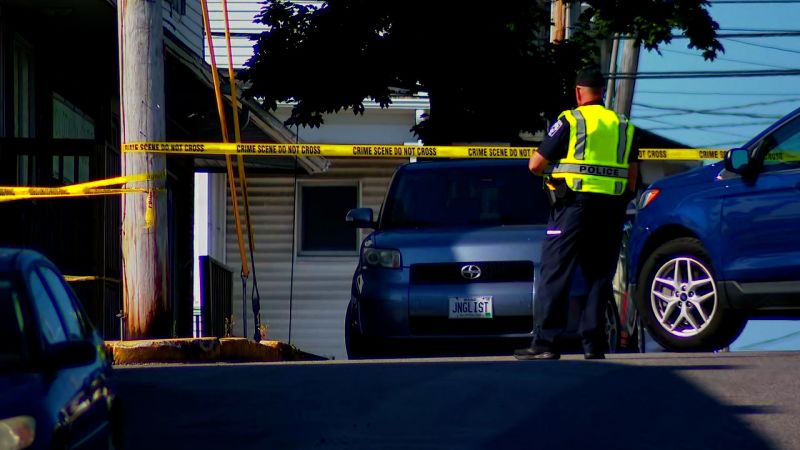
Guerrero’s family struggled with the loss. His wife was at the scene immediately after the shooting, and neighbors heard her crying and screaming in Spanish. A GoFundMe established by immigrant advocacy groups raised nearly $100,000 by Tuesday afternoon to help cover funeral costs and the expense of repatriating Guerrero’s body to Colombia, where his parents were waiting to lay him to rest.
The shooting in Maine echoed an incident that occurred just six days earlier in Houston. On July 7, ICE agents fatally shot 52-year-old Lorenzo Salgado Araujo while he was driving his construction crew to a job site. Like Guerrero, Salgado Araujo was not the target of the ICE operation. Agents were pursuing someone else. In that case, witnesses and Salgado Araujo’s family disputed the federal agency’s account that he tried to run over officers with his vehicle.
The two deadly shootings prompted an immediate response from the Trump administration. On Tuesday, administration officials ordered ICE to suspend most vehicle stops during enforcement operations, according to sources familiar with the directive. The suspension includes exceptions for cases involving serious criminal targets or when working with partner agencies. It applies to ICE’s Enforcement and Removal Operations division, the branch responsible for civil immigration arrests and deportations, and represents a temporary pause while those officers receive additional training on vehicle-stop tactics.
The deadly incidents also drew international attention. Colombian President Gustavo Petro condemned the shooting in a scathing post, calling it a targeted killing “at the hands of the U.S. Government” and accusing ICE officers of treating Guerrero as “an inferior being without rights.”
The shootings came amid a significant surge in immigration enforcement. Over five days at the end of June, ICE arrested more than 10,000 people. According to data from the UC Berkeley Deportation Data Project, ICE arrested 546 people in Maine between the start of Trump’s second term and March 11, 2026. About 45 percent of those arrested had criminal backgrounds, compared to approximately 69 percent during a similar period before Trump took office.
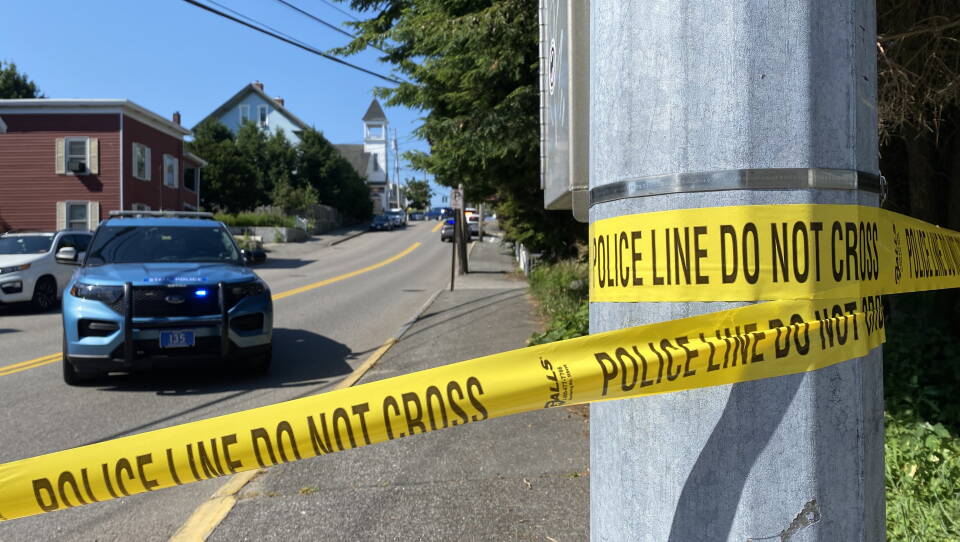
Dozens of protesters gathered in Biddeford within hours of the shooting, and anger over the incident spread beyond Maine. At makeshift memorials in the city, people left flowers, candles, and signs reading “Immigrants make Biddeford great” and “Stop Killing Us.” Maine House Speaker Ryan Fecteau, a Democrat from Biddeford, declared, “We will always be a city of immigrants.”
The incident also reignited memories of other fatal ICE shootings during Trump’s administration. In Minnesota, the killings of U.S. Citizens Alex Pretti and Renee Good earlier this year sparked widespread protests and condemnation. Guerrero’s death marks at least the ninth reported death linked to federal immigration enforcement since Trump intensified his immigration crackdown.
Maine Senator Susan Collins called for a full investigation and urged Department of Homeland Security Secretary Markwayne Mullin to cease non-urgent vehicle stops, which he subsequently did. Senator Angus King raised fundamental questions about the justification for the deadly force used, asking whether Guerrero actually attempted to run over an officer or whether he posed a danger to other people on the street.
The investigation into the Biddeford shooting is being conducted by the FBI and the Department of Homeland Security’s Office of Inspector General. The officer who fired the fatal shots has been placed on administrative leave, a standard procedure in officer-involved shootings.