

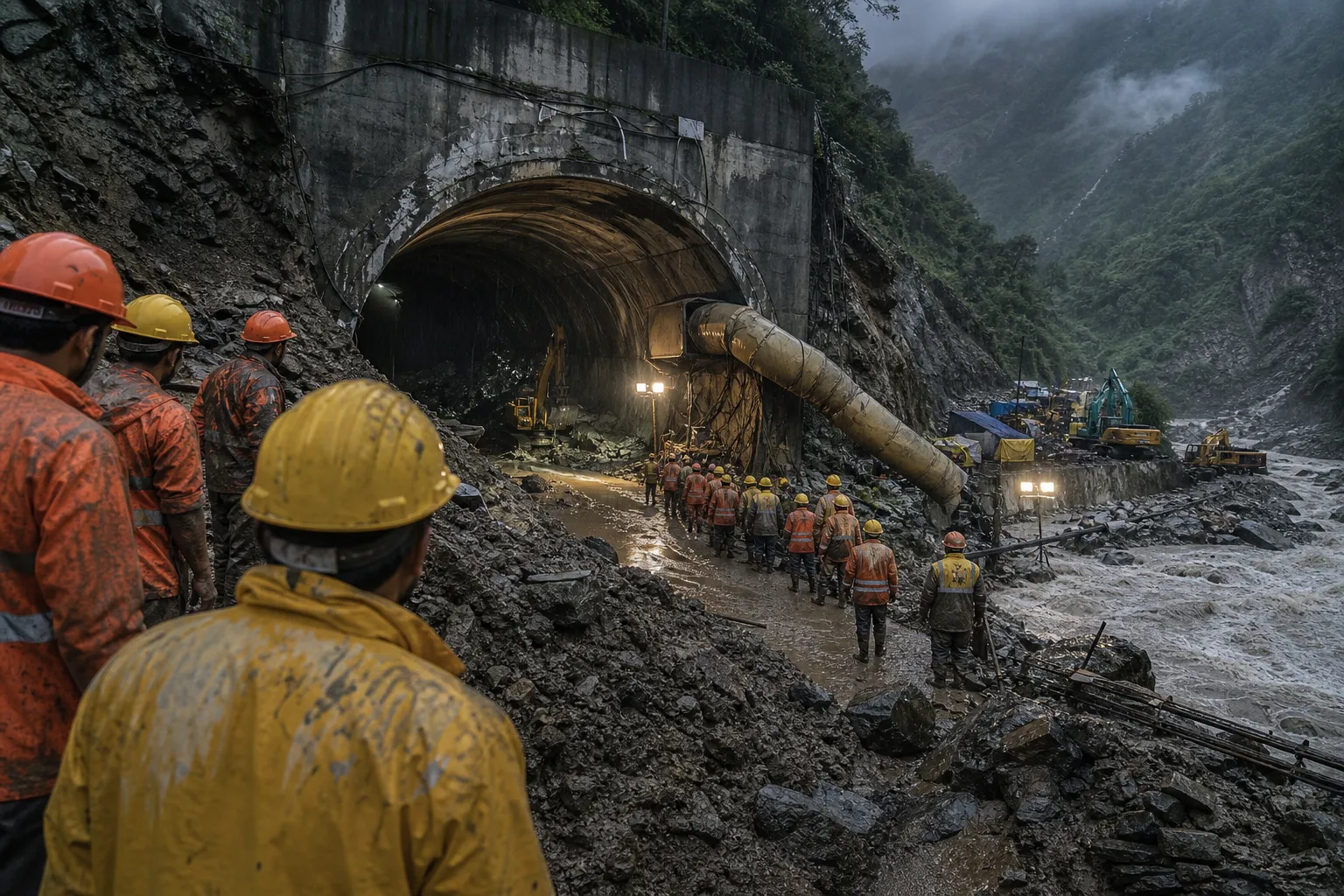
A catastrophic tunnel explosion at a hydropower project in India’s Sikkim state has claimed all 25 workers who were trapped underground, with rescue operations concluding Thursday after a four-day recovery effort. The incident at the National Hydroelectric Power Corporation’s Teesta Stage VI Hydropower Project represents one of the worst industrial disasters in the region in recent years.
The tragedy unfolded Monday afternoon at approximately 1:04 p.m. When workers were constructing an underground tunnel at the project site in Samardung village, Namchi district. A sudden burst of methane gas trapped within rock formations triggered an explosion that filled the tunnel with dense fumes and toxic gases. Approximately 27 workers were inside the tunnel at the time, but two managed to escape. Twenty-five workers became trapped in the dangerous underground environment.
Rescue operations began immediately, with multiple agencies coordinating search and recovery efforts. The National Disaster Response Force, State Disaster Response Force, mining rescue teams, and local authorities mobilized to reach those trapped. However, teams faced severe challenges from the beginning. Water had accumulated inside the tunnel to depths of approximately two and a half feet, while methane and other toxic gases continued leaking from underground rock formations. The hazardous atmosphere forced rescue workers to operate in shifts of roughly 15 minutes at a time, severely limiting their ability to work continuously.
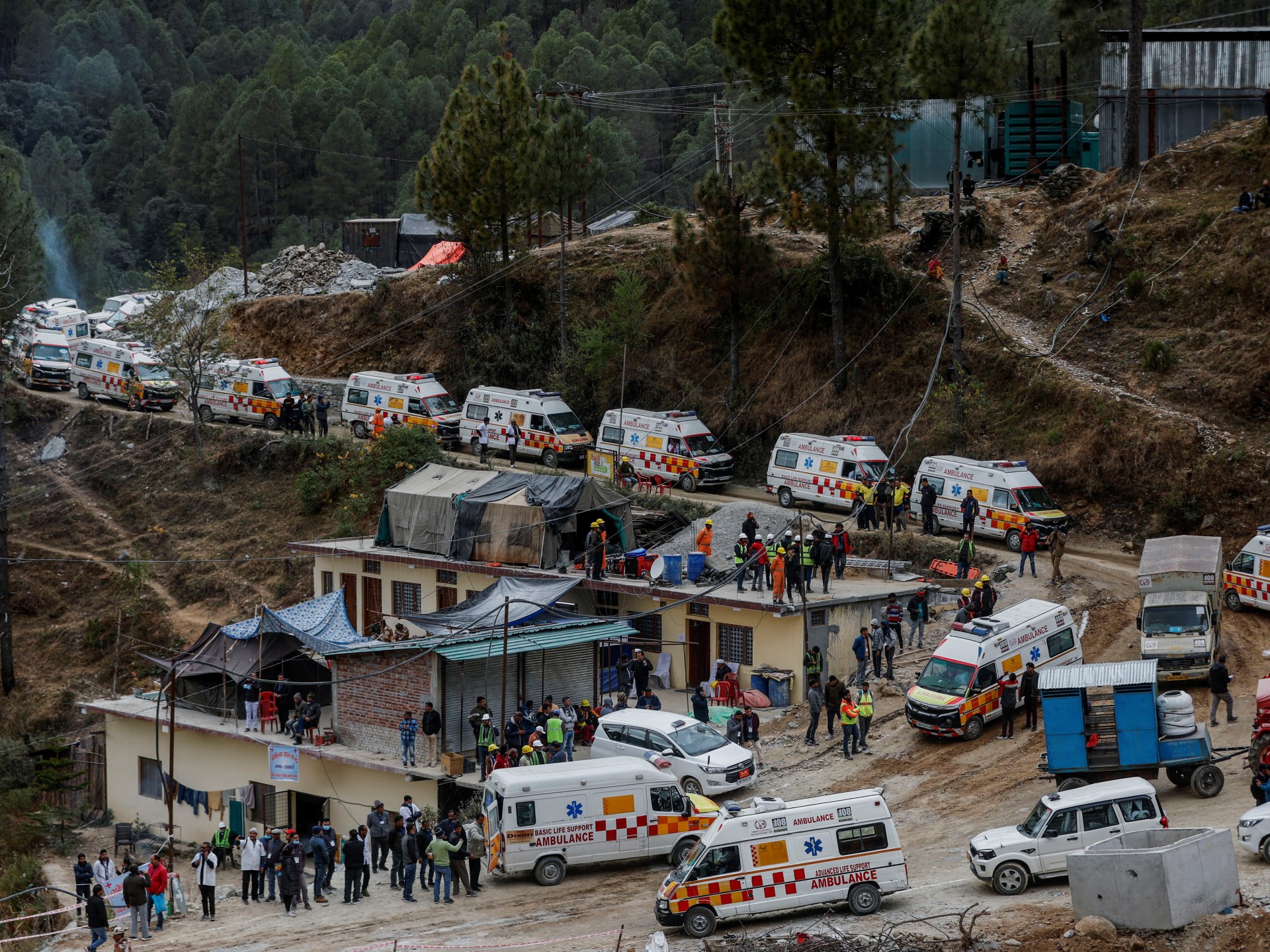
Over four days, rescue teams worked around the clock to clear debris and recover bodies. Three additional bodies were recovered Thursday during the final phase of operations, bringing the total count to all 25 workers. Following these final recoveries, rescue personnel conducted a detailed inspection of the tunnel and verified records of all missing persons, officially concluding the rescue operation.
The recovered remains were transported to multiple hospitals for post-mortem examinations and medico-legal formalities. Identified bodies have been handed over to families. By Wednesday, eight of the deceased had been identified, including workers from Jalpaiguri district in West Bengal, Punjab, Uttarakhand, Assam, and Sikkim.
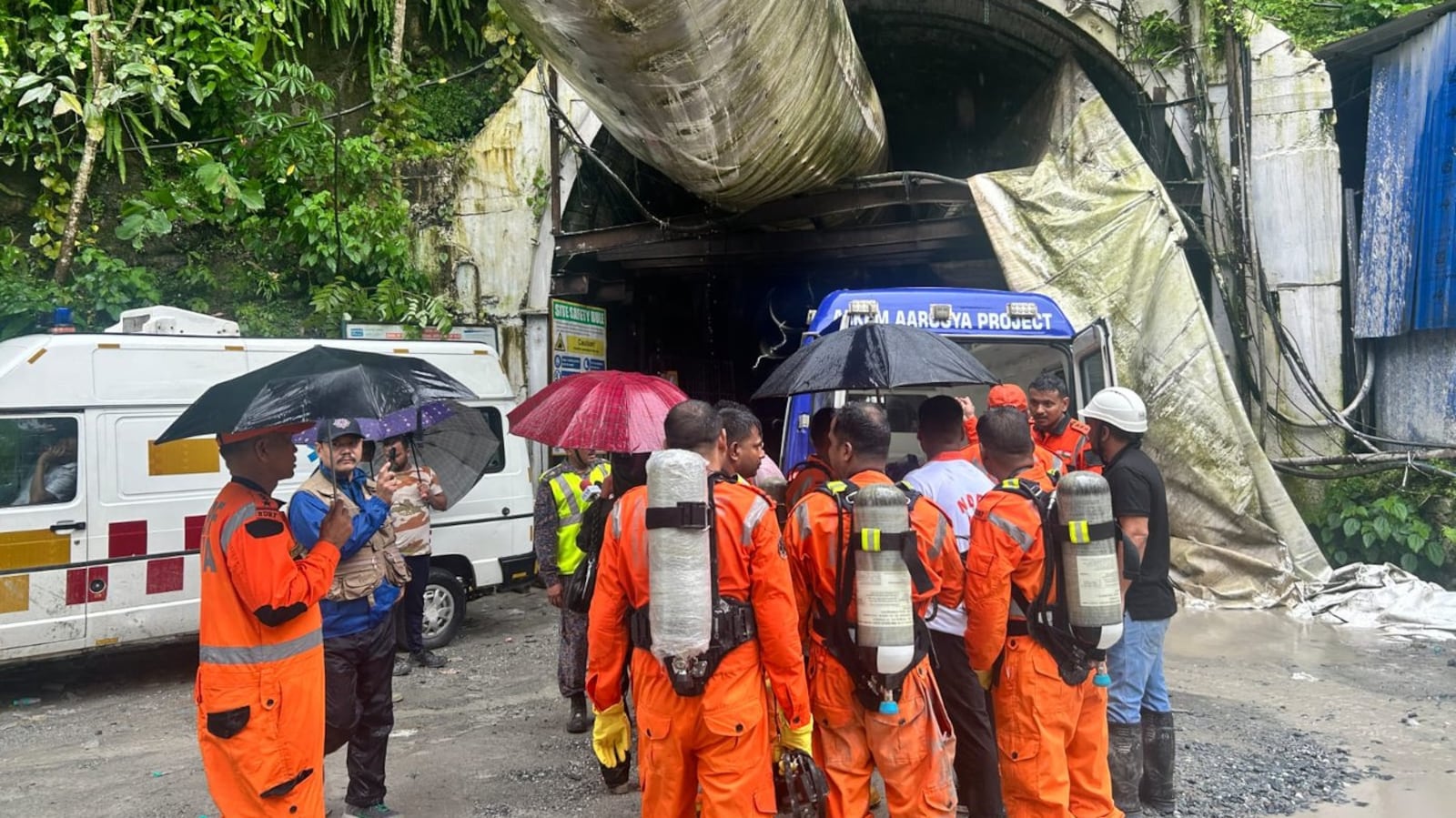
The 500-megawatt Teesta Stage VI Hydroelectric Project represents a major infrastructure initiative in the northeastern state. According to NHPC, the explosion was caused by a “sudden burst of suspected methane gas trapped or embedded in the rocks,” which generated the dense fumes that proved fatal. The company stated it would conduct a detailed investigation to determine the exact cause, though authorities emphasized the need for comprehensive inquiry into safety protocols.
Chief Minister Prem Singh Tamang announced that Sikkim will constitute a high-level committee to investigate the circumstances leading to the disaster and recommend safety measures for future infrastructure projects in mountainous regions. The state government announced 400,000 rupees in assistance for each bereaved family, along with 50,000 rupees for injured workers. Prime Minister Narendra Modi also announced federal support, providing 200,000 rupees to families of the deceased and 50,000 rupees to injured workers. The NHPC announced an additional 500,000 rupees in ex-gratia relief to families.
The disaster highlights ongoing concerns about safety standards in India’s hydropower construction sector, particularly in the geologically fragile Himalayan region. Environmental experts have long warned that rapid development of infrastructure projects in this area increases risks. Tunneling through young Himalayan geology involves inherent dangers from loose rock formations, underground water channels, seismic activity, and sudden gas releases. The incident has intensified scrutiny of construction safety, geological risk assessment, and emergency preparedness at large NHPC projects, with calls for stricter safety protocols and independent safety audits at all future operations.