

Individuals diagnosed with HIV have recounted the initial symptoms that led them to discover their condition.
The United Nations Population Fund (UNFPA) has recently highlighted that HIV cases are projected to rise by an additional 3.3 million by the year 2030. As of the end of 2023, there were 39.9 million people globally living with HIV.
Meanwhile, the World Health Organization has noted that we are currently at “a crossroads” regarding the HIV epidemic.
According to Business Day, the organization stated: “After decades of progress, the HIV response stands at a crossroads. Life-saving services are being disrupted, and many communities face heightened risks and vulnerabilities. Yet amid these challenges, hope endures in the determination, resilience, and innovation of communities who strive to end AIDS.”
Before these statements were made, individuals living with HIV shared their personal experiences on Reddit about coping with the lifelong condition.
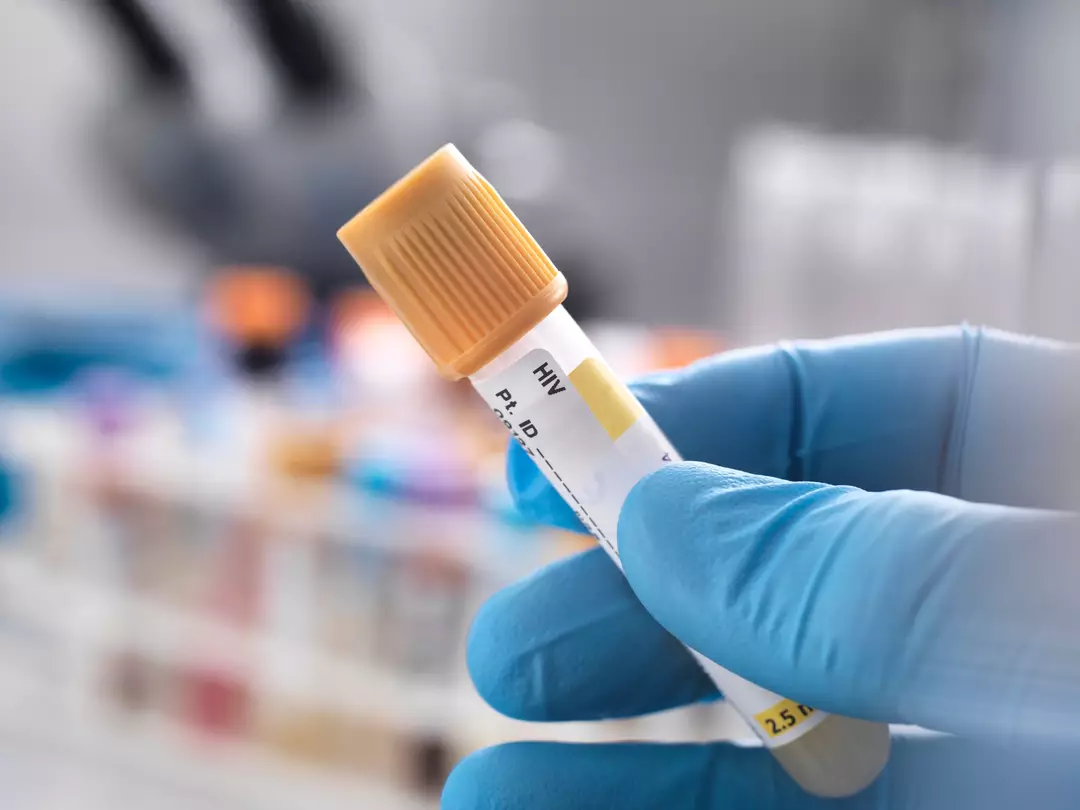
One individual posted: “How did you find out that you were HIV positive, and how long had you been positive before any symptoms appeared? Would this be considered a late diagnosis? If so, how are you coping with a late diagnosis or even AIDS – is there still hope?”
The post elicited numerous responses.
One user wrote: “I had no symptoms. I woke up one day after a very good night’s sleep, and was so exhausted, I couldn’t get out of bed. So, off to the doc for tests, and that’s when I found out.”
They continued: “In answer to your question: Yes there is hope after a late diagnosis.”
Another individual explained: “A week after a risky encounter, I had common flu symptoms and a bit of small rashes. I believe I have a pretty strong immune system since I don’t get sick easily, and that’s when it crossed my mind that I might be infected.
“So, I contacted an online hub that offers free self-testing kits, and it took 3 weeks to get the kit. A faint line appeared on the kit after 10 minutes, it feels like my life was over.”
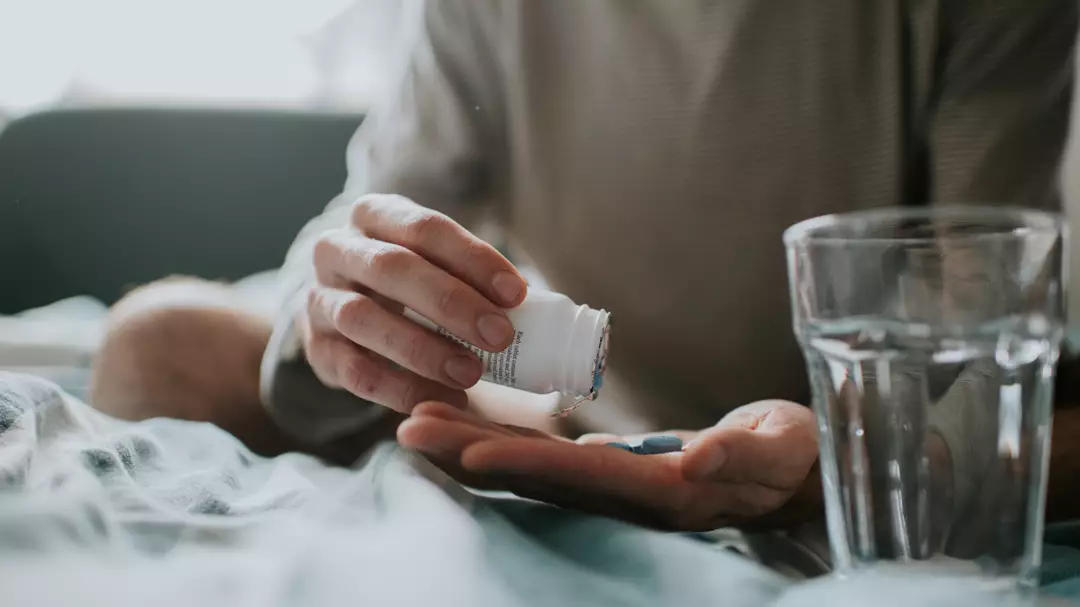
They mentioned feeling ‘devastated’ after their diagnosis, but have since begun taking antiretroviral medications (ARV). Although these medications do not cure HIV, they do “stop HIV from getting into your cells and reproducing,” according to the Cleveland Clinic.
These treatments also help prevent the virus from spreading to others.
“Taking a combination of medications, rather than just one, makes the treatment more effective and reduces the risk that it’ll stop working,” the website states.
“If your viral load is low enough, tests won’t be able to detect HIV in your blood (undetectable levels).”
If you’ve been affected by any of these issues and want to speak to someone in confidence, you can find a list of state hotlines for HIV and AIDs here.