

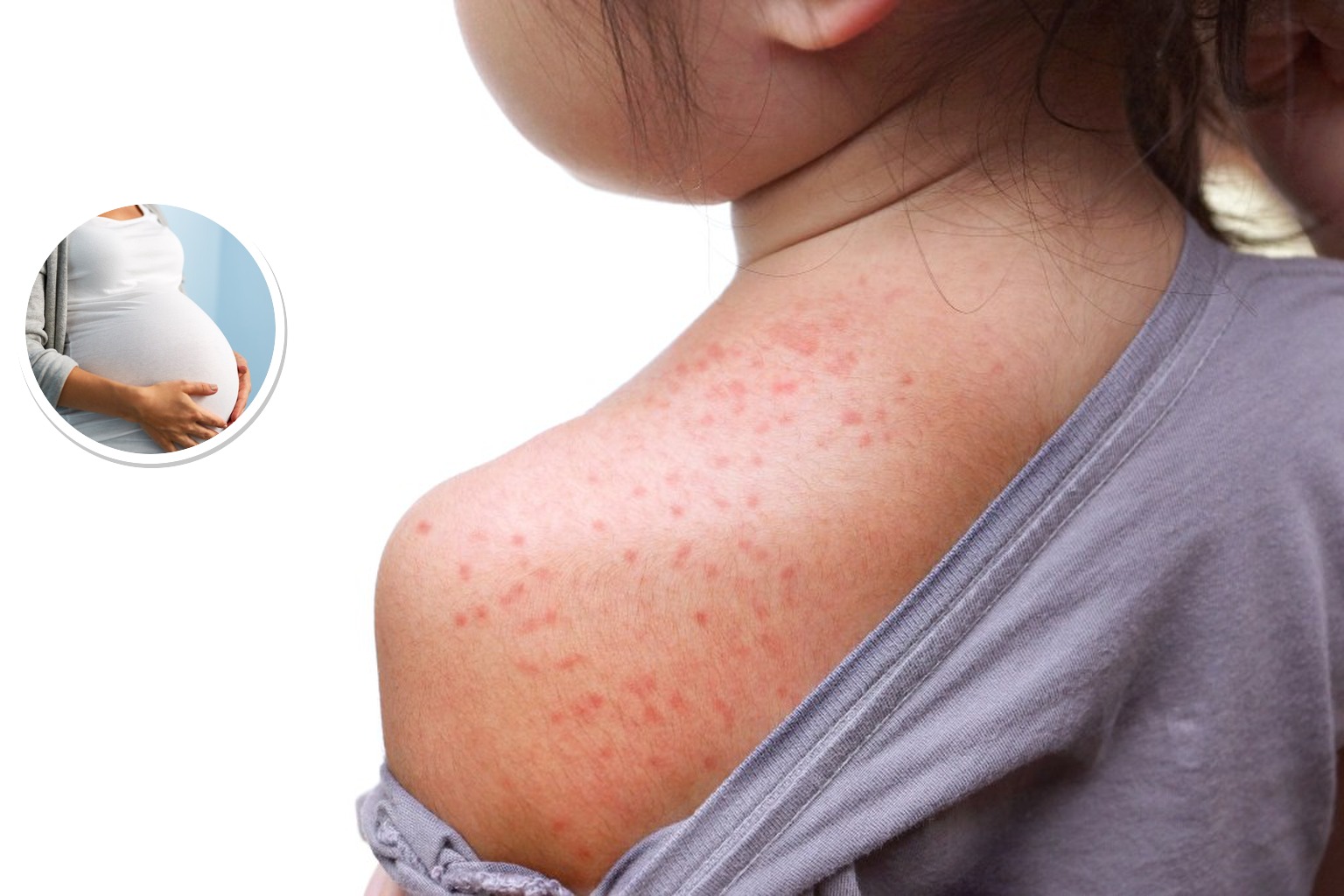
Pennsylvania’s measles outbreak has spawned a dangerous new clinical puzzle.
Doctors across the state are now confronting congenital measles, a condition so historically uncommon that many pediatricians have never managed a single case. The illness strikes when an infected mother passes the virus to her baby in the womb or during delivery, and it is surfacing now because of a fundamental shift in who gets sick.
“Because of this, we’re literally seeing new forms of measles,” Dr. John Goldman, an infectious disease specialist at the University of Pittsburgh Medical Center, said. “We don’t have a lot of information about what happens with it.”
For most of medical history, congenital measles barely registered. Before vaccines, nearly everyone caught measles in childhood, leaving women with robust natural immunity by their childbearing years. Widespread vaccination later delivered that same shield without the suffering. But with measles eliminated in the US and vaccination rates now slipping, young adults increasingly lack any immunity at all — from shots or prior infection.
The consequences are proving fatal. Last month in Lancaster County, a woman with measles delivered a stillborn baby who died from a ruptured spleen. The coroner classified it as a measles-associated death, and the attending midwife told the mother the loss was tied to her severe measles and lack of vaccination, according to The Atlantic.
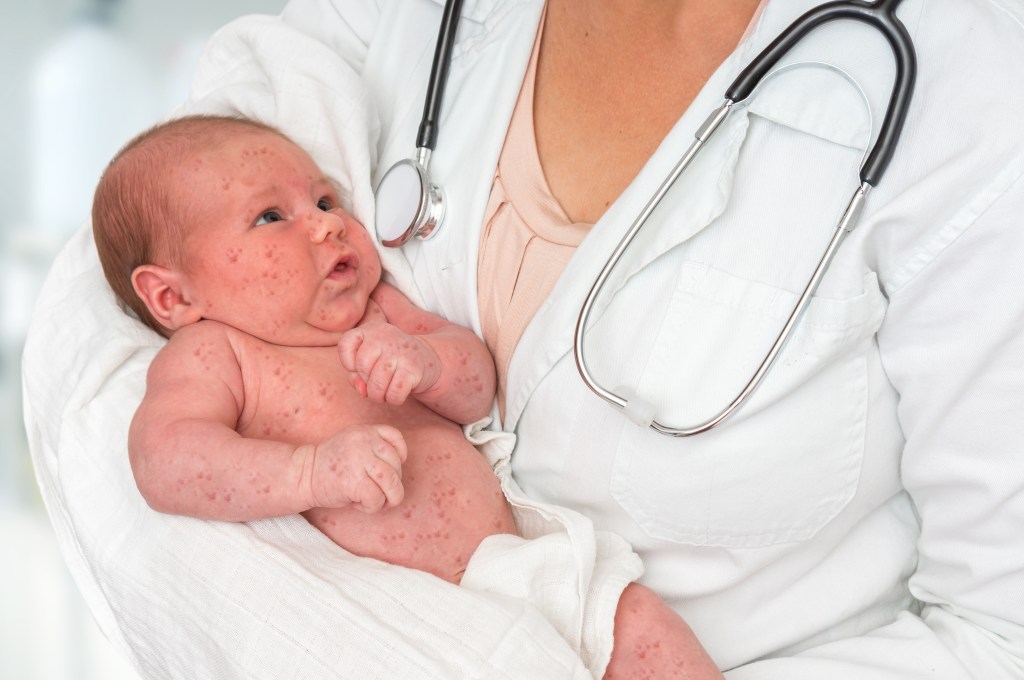
Up to 30% of babies whose mothers are infected around delivery time may contract the virus themselves. The presentation is swift and severe.
“Congenital measles typically presents in the newborn with fever and rash within the first 10 days of life, and can occasionally cause severe complications such as pneumonia, encephalitis and even death,” Dr. Manish Trivedi, head of infectious diseases at AtlantiCare, told The Post.
The damage can unfold slowly. Congenital measles elevates the risk of subacute sclerosing panencephalitis, or SSPE, a progressive neurological disorder that causes brain inflammation and scarring, is almost always fatal, and has no cure.
The knowledge gap among clinicians is so acute that the American Academy of Pediatrics published an FAQ earlier this month specifically on congenital measles, laying out guidance on prevention, diagnosis, and treatment for infected newborns.
“If measles keeps spreading, we’re going to see more pregnant women exposed to the virus,” Trivedi said.
The national numbers back that fear. As of Sept. 18, federal data showed 3,471 confirmed measles cases across the US in 2026, spanning 39 outbreaks. With more than three months remaining, the tally has already blown past 2025’s total of 2,289 — itself the highest annual count in more than three decades.
Trivedi drew a sharp distinction between immune and vulnerable mothers. “Pregnant women are considered at higher risk for complications from measles, but those who already have evidence of immunity are generally well protected,” he said. “The greatest concern is for pregnant women who are not immune and become exposed or infected.”
The MMR vaccine’s live-virus formulation makes it unsafe during pregnancy, complicating protection for nonimmune women. Trivedi urged women to verify their immunity status with providers, particularly after exposure or before travel to outbreak zones. For those already exposed and unprotected, a narrow window exists: intravenous immune globulin can be administered within six days to reduce infection risk or severity.
“Women who are not immune should be vaccinated before pregnancy or after delivery,” Trivedi said. “If a nonimmune pregnant woman is exposed to measles, she should contact her healthcare provider immediately because intravenous immune globulin can be given within six days of exposure to reduce the risk or severity of infection,” he added.
Measles during pregnancy also carries broader reproductive risks including pregnancy loss, premature delivery, and low birth weight.