


An infectious disease specialist has shared her thoughts on hantavirus, the possibility of it becoming a pandemic, and if we should be worried.
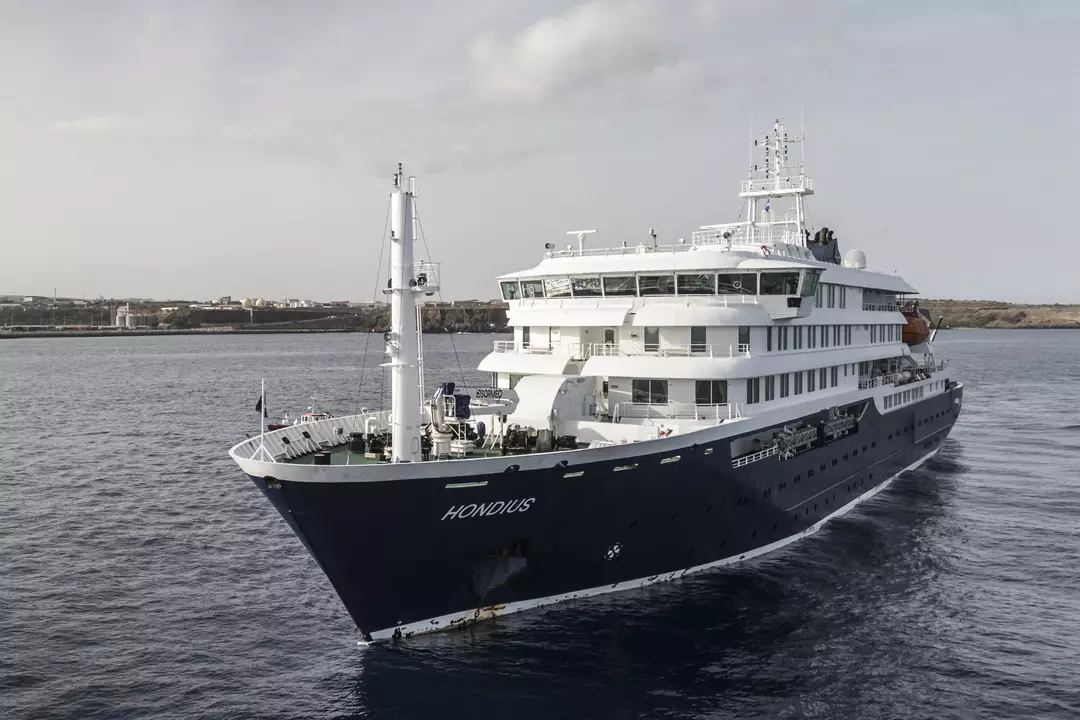
Hantavirus has been in the spotlight after an outbreak was reported aboard a Dutch cruise ship carrying roughly 150 passengers.
Three people have sadly died, and the World Health Organization (WHO) has confirmed a further five cases.
The variant believed to be circulating on the MV Hondius is the Andes virus, a form of hantavirus known for the rare ability to spread via person-to-person contact.
Although the WHO has stressed that hantavirus is “not the next Covid”, many people still have questions about the risks and what might happen next.
To better understand the situation, we spoke with Dr. Alexandra Wharton-Smith, a global health researcher and infectious disease specialist who currently works as an advisor for Essential Emergency & Critical Care Global.
“I am optimistic that this will not become a global pandemic, as the evidence we have so far on the Andes strain historically is that it stays relatively contained and the human to human transmission has mostly only been through close and prolonged contact with infected people,” Dr. Wharton-Smith told us.
“The current outbreak is being closely monitored to prevent further spread and there have not been many confirmed cases so far. The contacts of those cases are being traced to ensure we can stop any further spread.”
She also explained that, compared with viruses that spread extremely easily, hantaviruses generally transmit less readily and for a shorter contagious window, even though symptoms can take a while to appear.
“From what we know, hantaviruses are much less infectious than other viruses like influenza, measles or COVID-19 and has a shorter period that people can infect others, although the incubation period (time it can take from exposure to the virus to illness) is quite long – possibly up to 6-8 weeks.”
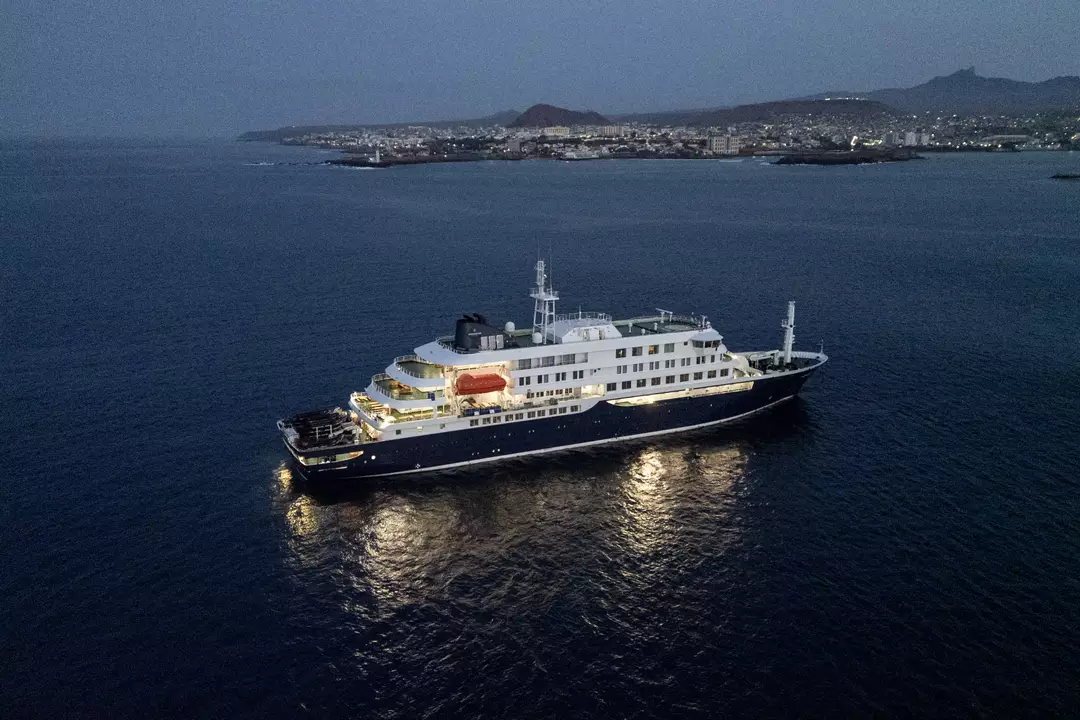
Dr. Wharton-Smith noted that additional cases could still be identified internationally, particularly because passengers and crew who were potentially exposed may have disembarked at different stops along the route.
The MV Hondius set off from Argentina on 1 April and travelled onward, including to the Sandwich Islands, before later calling at Tristan da Cunha and St Helena, according to El País.
On 27 April, the ship reached Ascension Island and later headed toward Cape Verde. CBC reported that the first positive hantavirus test result from the voyage was confirmed on 2 May while the ship was en route to Cape Verde.
Even if further infections are detected, Dr. Wharton-Smith believes the response so far suggests the outbreak is being managed effectively.
“The confirmed cases and those who have fallen ill, so far, seem to be well contained to prevent it spreading to more people,” she said.
“Healthcare workers are well equipped to practice good infection prevention and control and from our experience with COVID-19, governments know which measures to put in place to stop the cases from increasing if and when cases do occur.”
Drawing on what has been seen in earlier outbreaks, she said there is reason to think this spread will be limited.
Dr. Wharton-Smith added: “Based on the limited information we have about past outbreaks in South America, it doesn’t seem to spread as quickly and intensely as other respiratory viruses, so I am hopeful these cases will be well contained and we won’t see a high increase in cases.”

For most people, she said the best approach right now is to keep perspective and follow updates from trusted health agencies.
“My advice for now is not to worry, stay up to date with the news from reliable sources and carry on as normal,” said the infectious disease specialist.
She added that health authorities are already tracking people who may have been exposed, while also highlighting how the virus is typically acquired.
Explaining why people shouldn’t be too worried, Dr. Wharton-Smith said: “The WHO and national health authorities are closely tracking anyone with exposure to cases from the cruise ship and monitoring them to prevent the virus from spreading further.
“Hantavirus is transmitted through exposure to infected rodents and their fluids and/or droppings. With the Andes strain of hantavirus, human-to-human transmission is possible through close contact and fluids of infected people, but currently there are only a handful of cases and they are being closely tracked and receiving care.”
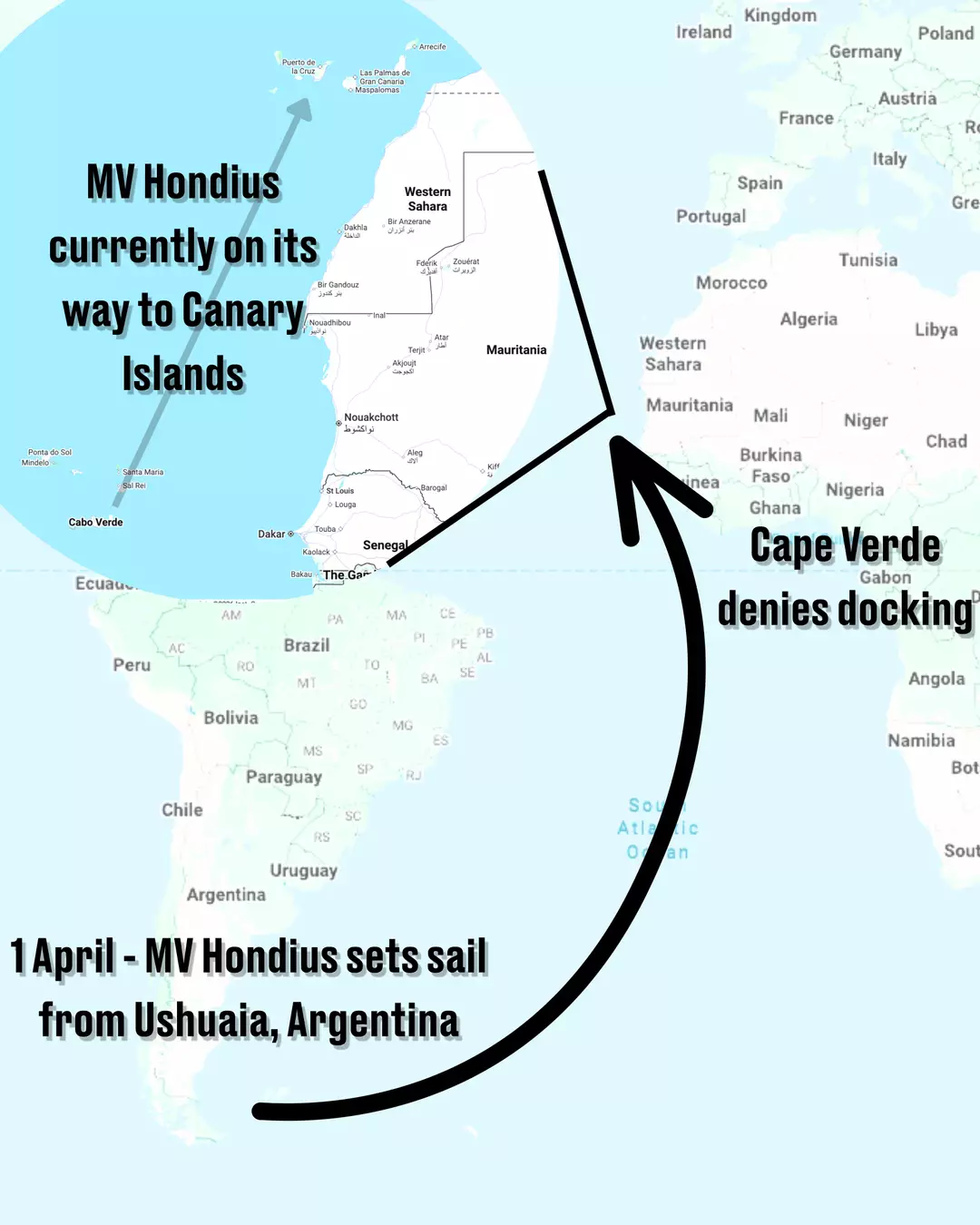
1 April – The MV Hondius cruise ship departs Ushuaia, Argentina, going on to visit Antarctica, South Georgia, Nightingale Island, Tristan da Cunha, Saint Helena, and Ascension Island. Around 150 people are on board, of 23 different nationalities.
6 April – A 69-year-old Dutch man complains of a fever, headache, and mild diarrhoea while onboard.
11 April – The man’s condition deteriorates. He dies following respiratory distress.
12 April – The captain of the MV Hondius breaks the news of the man’s death to passengers. According to one of the passengers, the captain says the man died of natural causes and there is no contagion. Life continues as normal on board the ship.
24 April – The man’s wife, also 69 and from the Netherlands, goes ashore in St Helena, a remote island in the South Atlantic, experiencing gastrointestinal symptoms. On the same day, a British man presents to the ship’s doctor with shortness of breath and signs of pneumonia.
25 April – The Dutch woman boards an Airlink flight to Johannesburg, South Africa. Contact tracing efforts follow in the coming days to track down the 82 passengers and six crew members onboard the flight.
26 April – The 69-year-old Dutch woman dies after arriving at the emergency department in Johannesburg, South Africa. Meanwhile, the British man’s condition deteriorates.
27 April – The British man is medically evacuated from Ascension Island to South Africa. He remains in intensive care in Johannesburg. The MV Hondius initiates its SHIELD response health and safety plan.
28 April – A German passenger develops a fever.
2 May – The German passenger dies following pneumonia symptoms. Laboratory testing confirms the British man has hantavirus. The World Health Organisation is notified by the UK.
4 May – The Dutch woman is also confirmed to have had hantavirus. The ship’s operator, Oceanwide Expeditions, confirms that there are two crew members, one British and one Dutch, with acute respiratory symptoms who require urgent medical attention.
6 May – Swiss authorities confirm a case of hantavirus from a passenger of the MV Hondius who heard of the outbreak and presented himself at a hospital in Zurich. The two crew members, along with a close contact of the German passenger who died on 2 May, are medically evacuated from MV Hondius. Of these three passengers, two are now in stable condition in hospital, and one is asymptomatic in Germany. The MV Hondius heads North for the Canary Islands. Oceanwide Expeditions says no symptomatic individuals remain on the ship
8 May – The UK confirms a third British national has suspected hantavirus on the remote island of Tristan da Cunha.
10 May – The MV Hondius is scheduled to arrive at the port of Granadilla in Tenerife.