

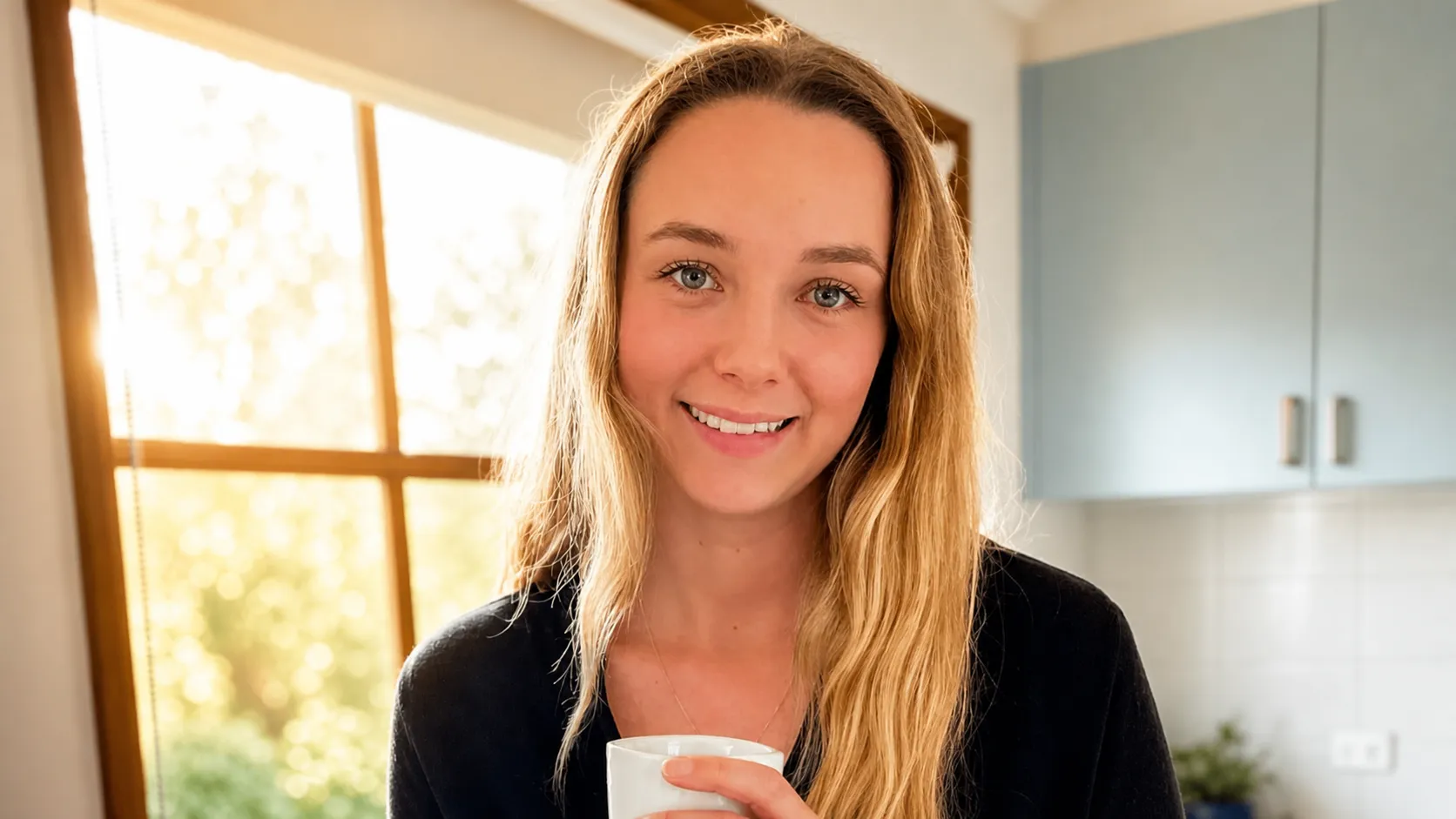
A coroner’s inquest has heard new details about the death of Australian wellness influencer Stacey Warnecke, known online as Stacey Hatfield, after she suffered a postpartum haemorrhage following a freebirth at home.
Warnecke died aged 30 on September 29, 2025, after giving birth to her son Axel at home in Seaford, Victoria, without a qualified medical professional present.
The inquest, which began in Melbourne in June 2026, heard that Warnecke had chosen a freebirth rather than a standard home birth, meaning no doctor or midwife was involved in the delivery.
Court evidence has also described Warnecke as having declined routine pregnancy checks, including ultrasounds and broader antenatal care, with the decision influenced by her desire to avoid what she saw as unnecessary medical intervention.
Instead, she was supported by a paid birthkeeper, Emily Lal, who described herself as a support person rather than someone there to make the birth safer.
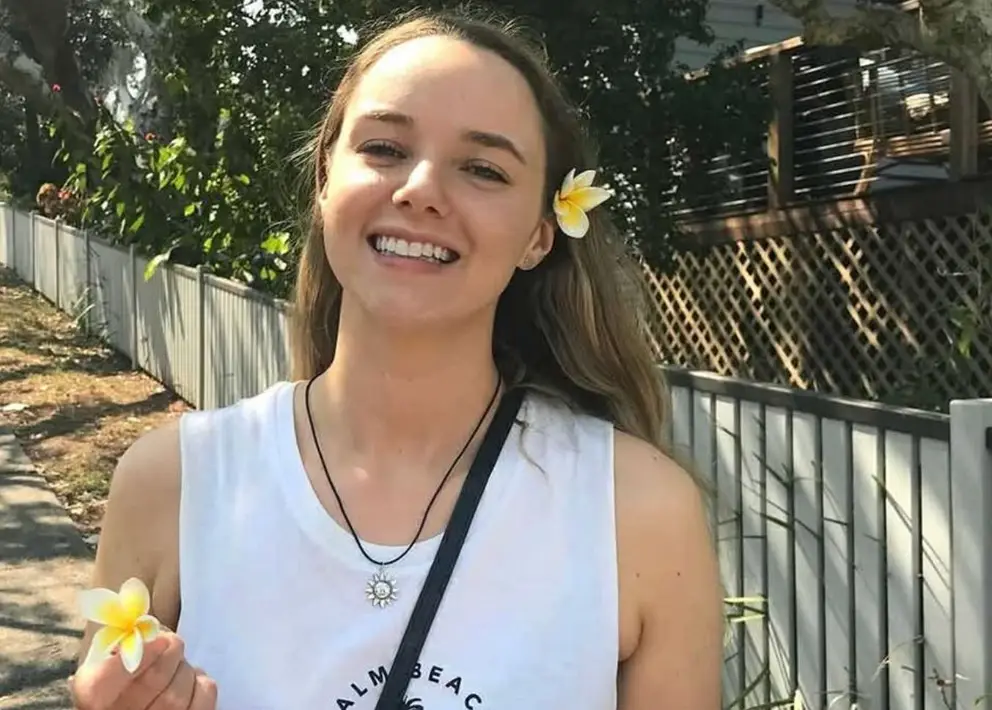
According to evidence heard by the court, Warnecke appeared to be doing well immediately after giving birth, but began to deteriorate after passing the placenta. Her husband estimated she lost up to 1.5 litres of blood, and she soon started struggling to breathe.
The inquest has heard that Lal asked Warnecke three times over a five-minute period whether she wanted an ambulance. Warnecke initially said no, but eventually agreed, by which point her condition had worsened significantly.
Paramedics later found her seriously unwell, and she was taken to hospital after difficulty getting her out of the house.
Once in hospital, Warnecke suffered multiple cardiac arrests. Around two dozen clinicians were involved in trying to save her, but she died later that day from complications linked to the haemorrhage.
The couple’s son survived and remains in his father’s care.
Warnecke’s husband, Nathan Warnecke, first announced her death on Instagram in October 2025, saying she had died after giving birth at home to their first child.
“Stace passed on the 29th September 2025 after successfully giving birth to our firstborn son, Axel, at home,” he wrote in the post.
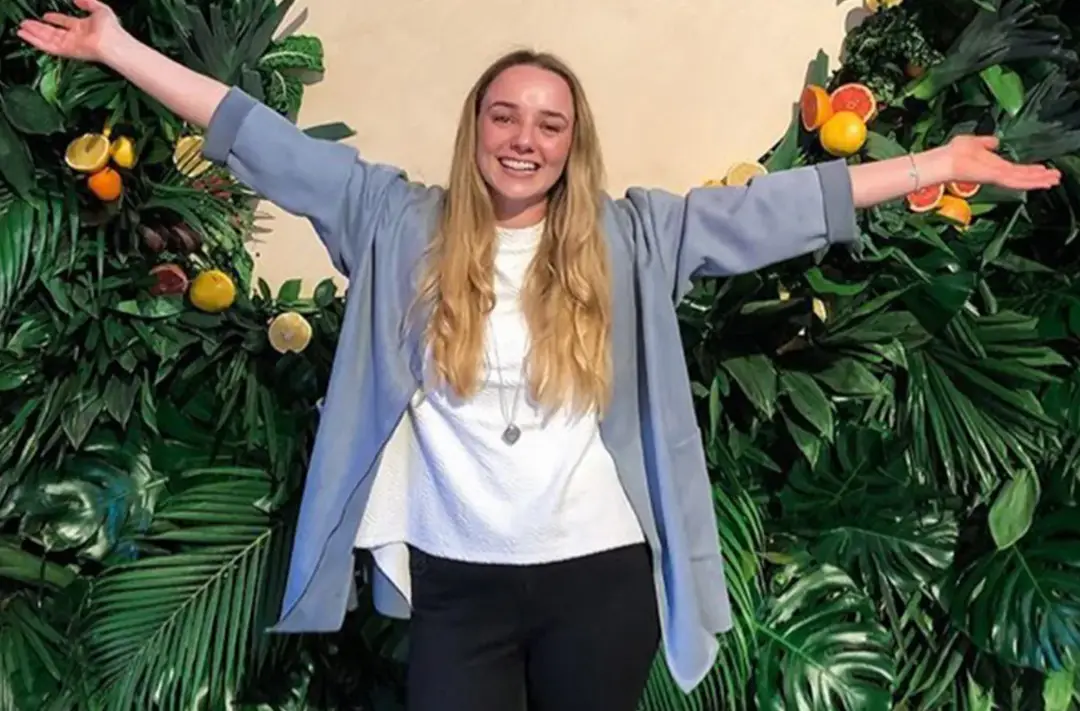
“Tragically, shortly after, an unforeseen and extremely rare complication arose and she passed after being transferred to hospital.”
In the same tribute, Warnecke thanked the hospital staff who treated Stacey and said he did not blame medical professionals for the outcome.
“Hospital staff were amazing and did the utmost to help, but ultimately nothing could be done despite their best efforts,” he wrote.
The message, posted on Stacey’s Instagram account, prompted condolences from followers and others who had followed her pregnancy online.
Warnecke also said Stacey had the chance to meet their son before she died.
“She held Axel when he was born, nursed him, saw that he was a boy and loved him,” he wrote in the same tribute.
He went on to say that her bond with their child continued after her death.
“She loved him so much and still, continues to love him,” he wrote.
The coroner’s inquest is continuing to examine the circumstances surrounding Warnecke’s death, including the role of unregulated birth support workers, the risks of freebirth, and whether there were opportunities for emergency care to be called sooner.