


A teenager has become the youngest individual to receive an Alzheimer’s diagnosis.
Typically, Alzheimer’s disease is associated with the elderly, particularly those in their 60s or older.
While the condition is more common in individuals over 65, it can also affect younger people. Anyone diagnosed under 65 is considered to have ‘early-onset’ Alzheimer’s.
The onset of early Alzheimer’s can start in individuals in their 50s and sometimes even in their 40s. Diagnosing younger patients can be more challenging since healthcare providers may not anticipate the disease in this age group, which is less commonly affected compared to older adults.
However, a notable case involved a person diagnosed at the exceptionally young age of 19.

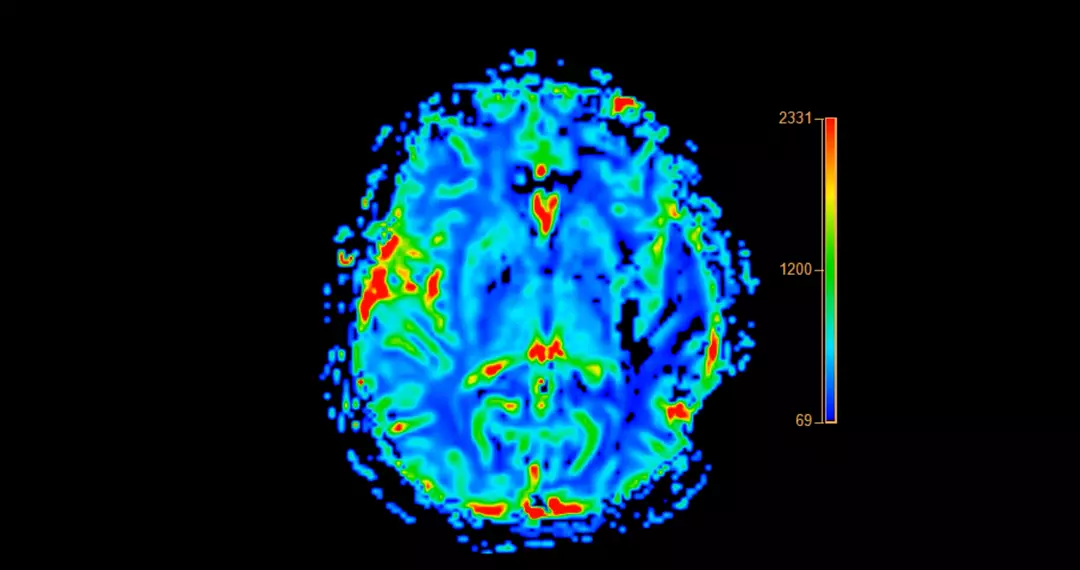
This case was documented in the Journal for Alzheimer’s Disease in 2022. It detailed the experience of a boy from Beijing who began to show signs of memory loss and concentration difficulties at age 17.
His symptoms were characterized by failing to remember recent events, such as the location of his belongings or occurrences from the previous day.
He experienced delayed responses and struggled with reading. He was assessed with ‘severe memory impairment’ using the World Health Organization-University of California Los Angeles Auditory Verbal Learning Test.
READ MORE:
MOM, 47, DIAGNOSED WITH EARLY-ONSET ALZHEIMER’S DISEASE REVEALS FIRST SYMPTOMS
SIGNS OF THREE STAGES OF ALZHEIMER’S DISEASE EXPLAINED
Doctors conducted thorough evaluations to identify the root cause of these symptoms, leading to the 19-year-old being diagnosed with probable Alzheimer’s disease.
Early-onset Alzheimer’s cases are relatively uncommon, representing only about five to 10 percent of all diagnoses, according to the Blue Cross Blue Shield (BCBS) Health Index.
Worryingly, the same report highlighted a 200 percent rise in Alzheimer’s diagnoses among those aged 30 to 64 between 2013 and 2017.
Currently, no specific cause for this increase has been identified.
George Perry, a professor at the University of Texas at San Antonio and the editor in chief of the Journal for Alzheimer’s Disease, was not part of this specific study.
According to Psychiatrist.com, he commented: “This case brings attention to the heterogeneous nature of dementia that can involve people at any age.
“Significantly, this finding may separate Alzheimer’s disease from the complexity of aging and open the field to new concepts to promote innovation.”
This young case is particularly intriguing because, unlike most early-onset Alzheimer’s patients, this individual did not have a specific gene mutation.
The authors of the study noted: “This is the youngest case ever reported to meet the diagnostic criteria for probable [Alzheimer’s disease] without recognised genetic mutations.”