

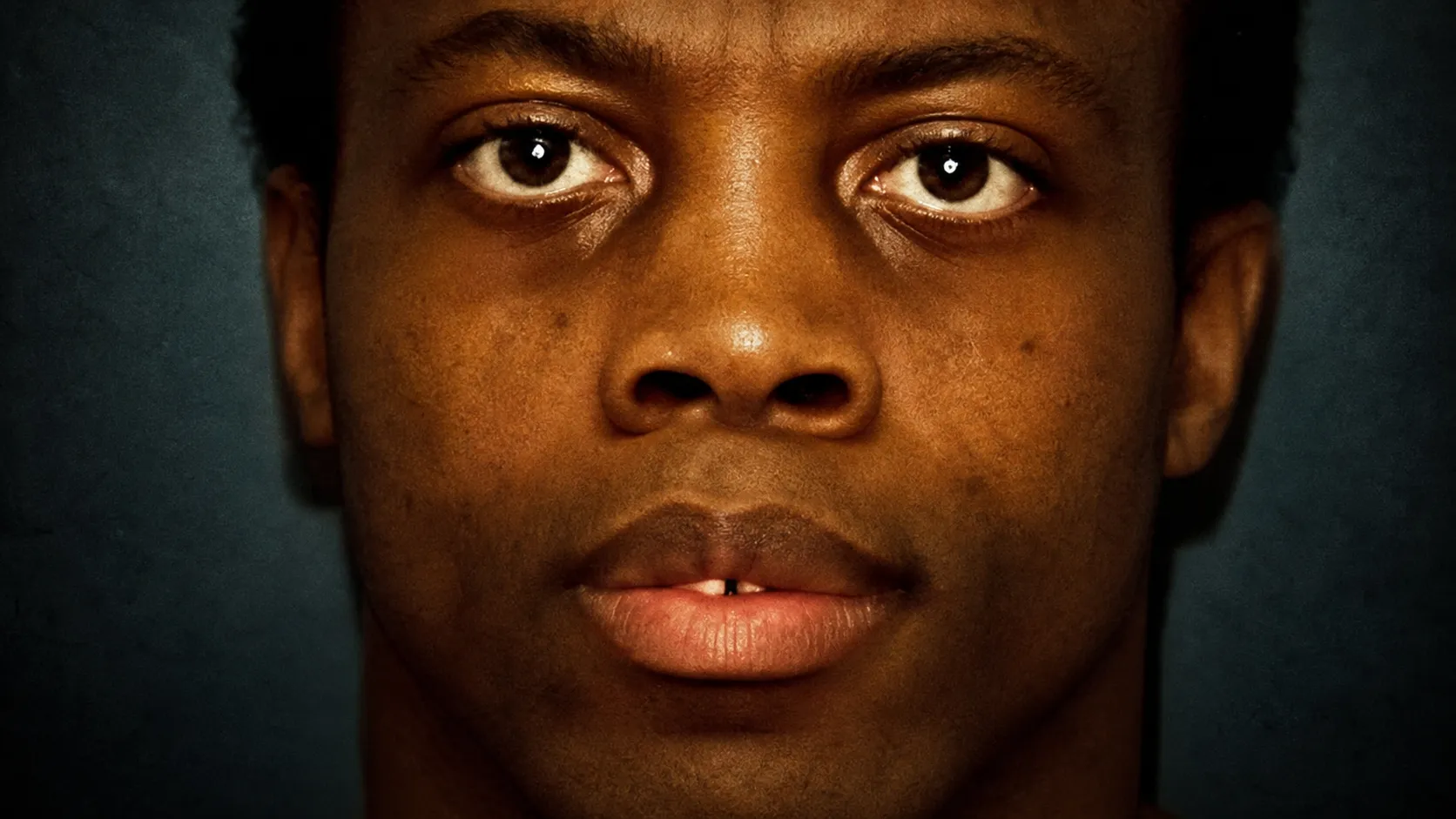
The execution of death row prisoner Pedro Medina became notorious after a malfunction turned it into one of the most disturbing scenes in modern capital punishment history.
Cases where an execution does not go to plan are relatively uncommon, and when they do happen, the problems are often linked to delays or difficulties with the procedure itself.
Medina’s death, however, stands out for far more horrifying reasons.
Ron McAndrew, a former Florida prison warden who has since become an opponent of the death penalty, later described the events of March 25, 1997, as something he has never forgotten.
In his view, Medina was not simply executed that day, but instead was effectively burned to death.
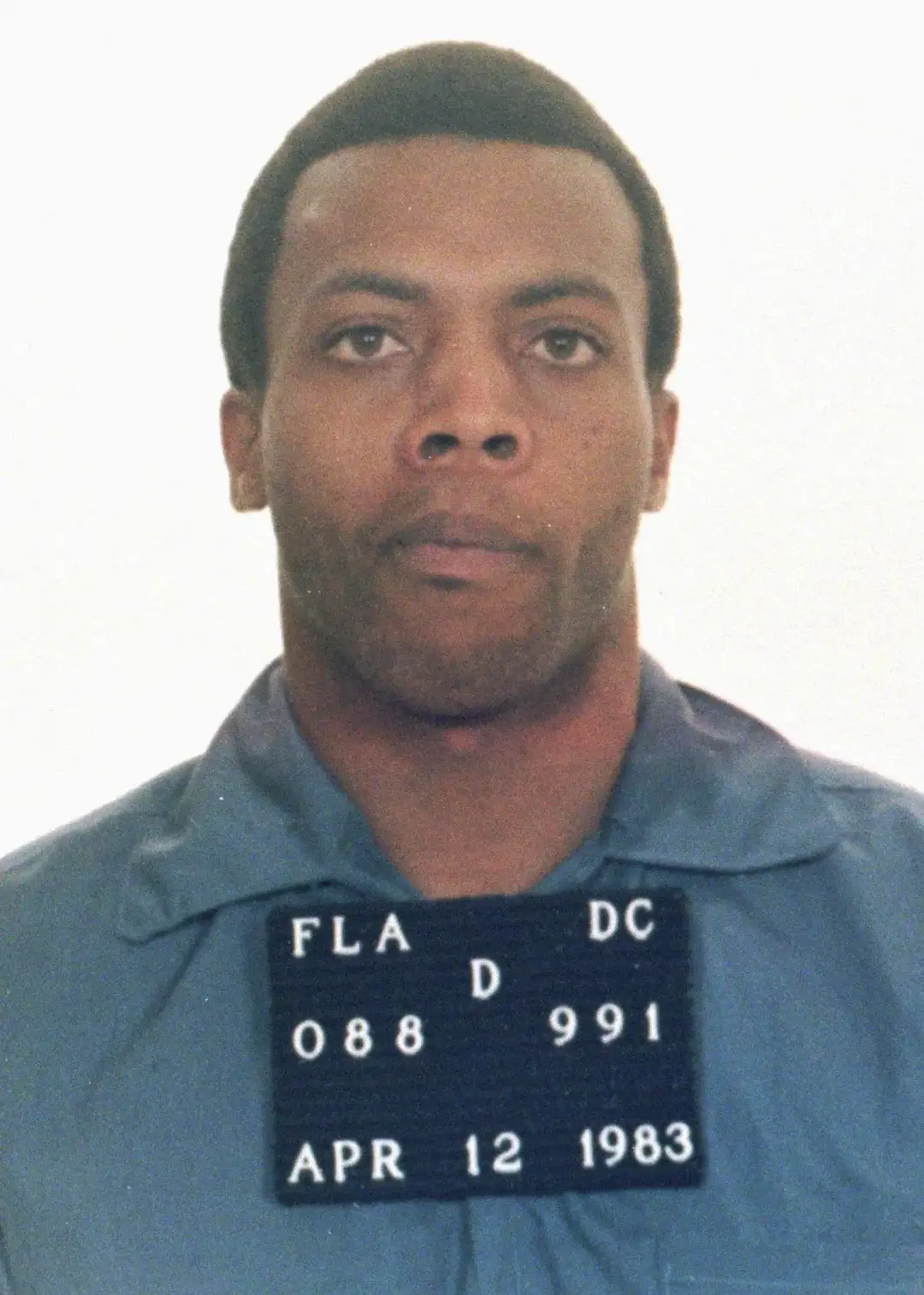
Medina was 39 years old at the time of his death. He had been sent to death row in Florida after being convicted of murdering an elementary school teacher in 1982, and reports said he was later found driving her car.
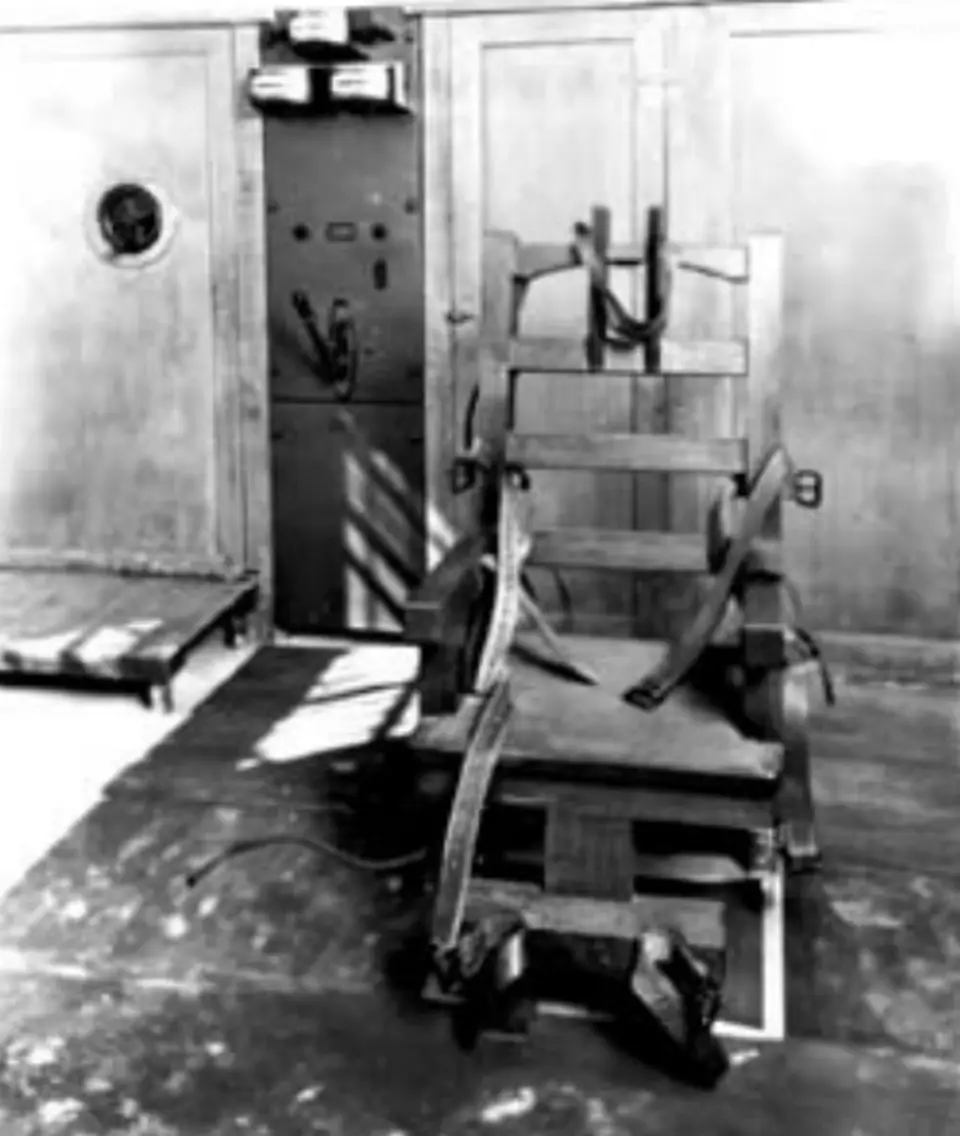
His sentence was carried out in Florida’s electric chair, widely known as ‘Old Sparky.’ In 1997, the Los Angeles Times described it as “a three-legged oaken seat built by prisoners at Florida State Prison in Starke and used since 1923 to administer a fatal 2000-volt dose of current to more than 225 convicted killers.”
Even before Medina’s execution, the chair had developed a grim reputation. Earlier use had reportedly produced ‘sparks’ and ‘smoke’ around another inmate’s head.
According to McAndrew, what happened to Medina was even more severe.
He said: “He caught fire. His body was twisting, and he was fighting the straps.
“It was obvious he was still alive when his head was on fire. It was a horrible way to kill somebody.”
While McAndrew recalled Medina straining against the restraints, the medical examiner at the time, Belle Almojera, gave a different assessment in an affidavit issued soon after the execution.
He said: “in my professional opinion, he died a very quick, humane death”.
He added: “I did notice smoke coming from the hood. At no time while there was smoke did I observe any pain or suffering on the part of the inmate.”
Reports from the time said Medina spoke just before the hood was lowered over his head.
His final statement was: “I am still innocent.”
The firestorm over Medina’s death helped fuel the wider backlash against Florida’s electric chair. In the years that followed, the state moved away from electrocution as its routine execution method and lethal injection became the default. As of 2026, Florida law still allows electrocution only if a condemned prisoner affirmatively elects it, or if the state is forced to use another constitutional method under the law.
McAndrew later changed his views on the death penalty entirely.
“‘Executions have a way of staying with you… It was very easy for me to learn that the most horrible punishment is actually locking someone in a cage for the rest of their lives.
“They call it an execution, but I can assure you it is not an execution – it is a premeditated, ceremonial, political killing. Nothing more, nothing less.”