

A McDonald’s restaurant in California that dates back to the 1970s has gone more than five decades without serving a single customer — even though the company reportedly invested $1 million into it.
Across its roughly 40,000 locations in more than 100 countries, McDonald’s is estimated to bring in about $72 million to $75 million in revenue each day.
Yet one of those sites, located in Southern California’s San Gabriel Valley, has never taken a penny at the counter.
Despite that, the building has remained standing and “open” in the City of Industry area since the late 1970s.
Over the years, plenty of drivers have turned into the lot expecting a normal drive-through — only to find no employees at the window and no signs of day-to-day operations inside.
That’s because this location isn’t a traditional restaurant at all.
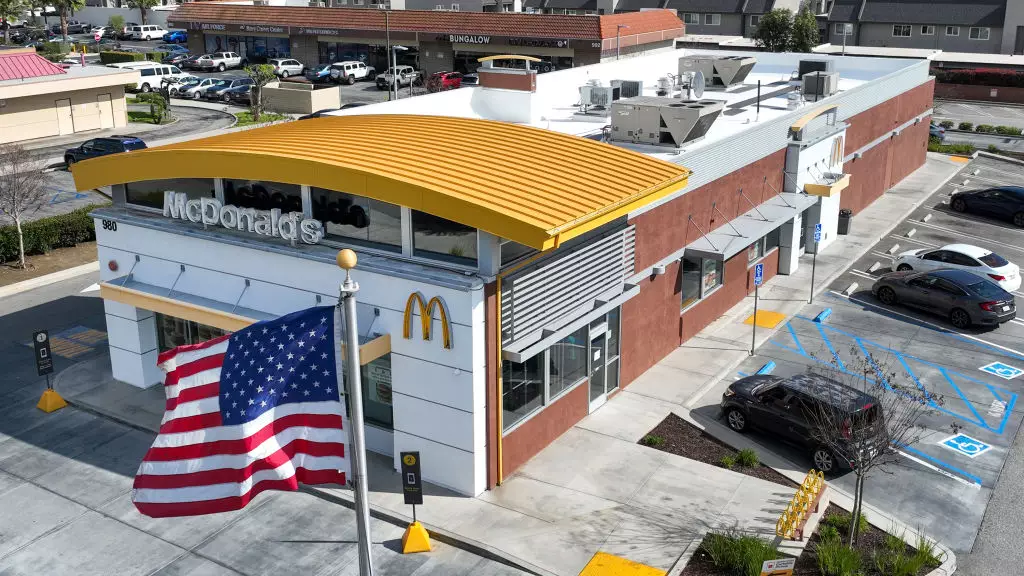
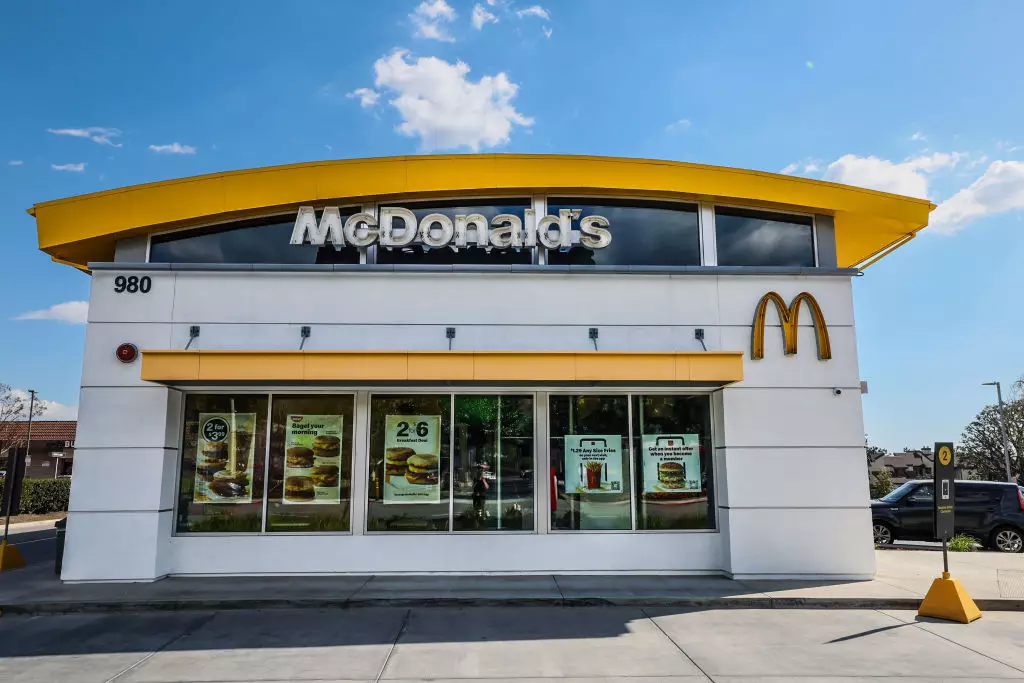
Instead, the fast-food giant created the lookalike site as a dedicated filming set for commercials and other productions.
Constructed in 1978 with a budget of $1 million, it allowed crews to shoot in a controlled environment without interfering with real customer service.
From the outside, it was built to mirror a standard McDonald’s — but the interior was tailored for production needs.
The Los Angeles Times reports that the ceilings inside the so-called “McStudio” are slightly taller than usual, making room for larger lighting rigs.
There’s also a dressing area for on-screen talent downstairs, and even the landscaping was planned with filming in mind — the trees outside can be moved when shots require it.
Unlike a typical store, the menu boards don’t list prices above the registers, helping the set stay flexible as branding and product offerings change over time.
Before the purpose-built location existed, the company would reportedly compensate franchise operators around $5,000 per day for lost sales when filming in an active restaurant.
Even though it isn’t used as a public-facing restaurant, the facility can still prepare food when productions need it.
It contains two functional kitchens: one fitted with standard McDonald’s tools such as griddles and fry baskets, and another stocked with styling supplies like dry ice and extra sesame seeds to help food look camera-ready in close-ups.
“We could be open for business tomorrow if we wanted.”
The set’s placement was also strategic.
Because it’s near Hollywood, actors and crew can travel there easily — and by 1988, about 1,000 commercials had already been shot at the site.