

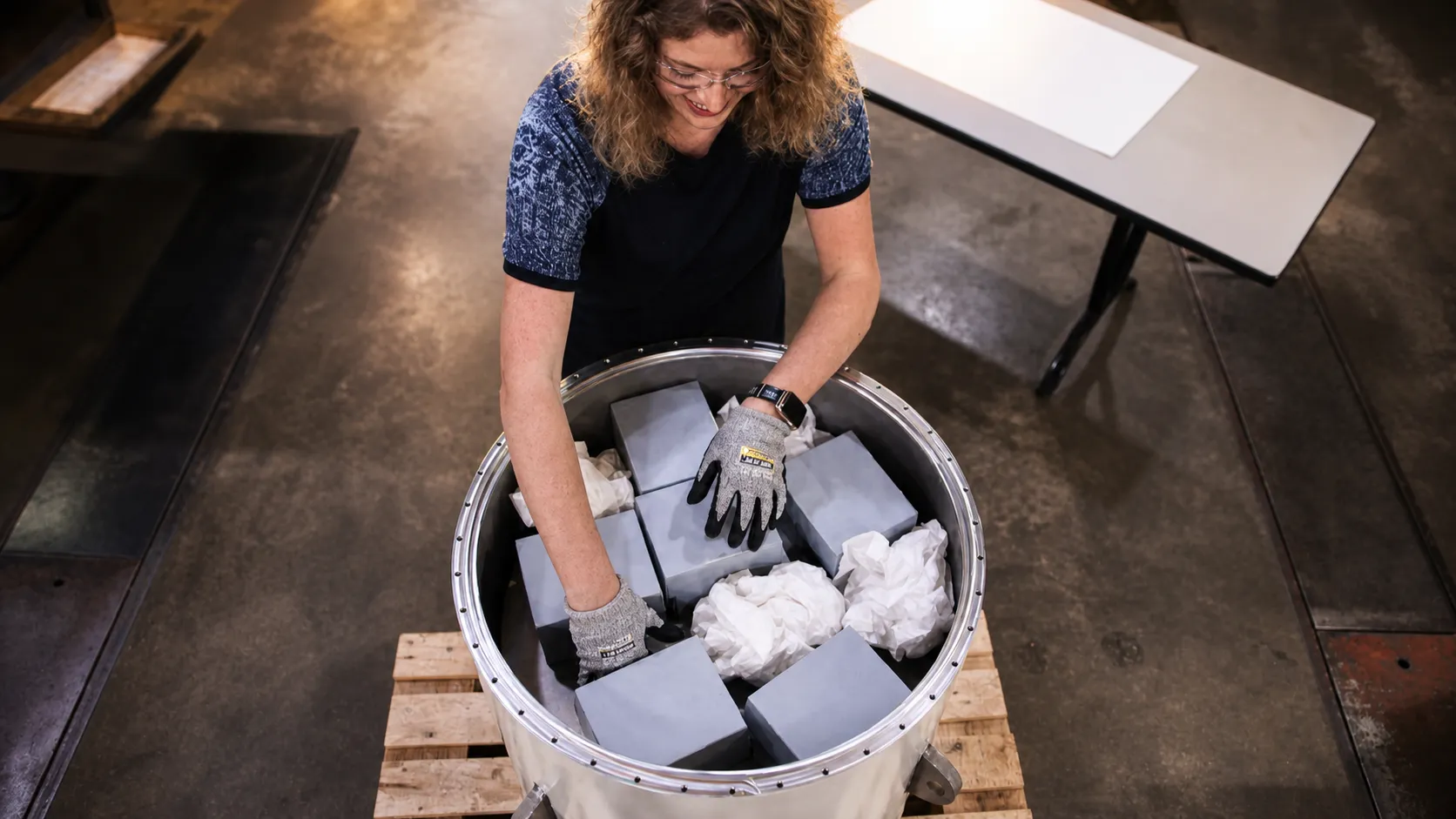
A massive time capsule packed with objects from daily life and major moments in US history has been buried in Philadelphia, but no one living today will ever know its contents firsthand.
The 900-pound stainless steel container was sealed and placed underground on Saturday, July 4, at Independence National Historical Park, near the Liberty Bell, during celebrations commemorating 250 years since the US declared independence from Britain.
Its reopening date has been set for 2276, meaning the contents are intended to remain untouched for roughly 250 years until the nation’s tricentennial observances.
The burial forms part of the semiquincentennial marking the signing of the Declaration of Independence on July 4, 1776, a date widely viewed as the country’s founding moment. Organizers have also framed the anniversary as a chance to consider not just the nation’s ideals, but also the more painful parts of its history, including slavery and inequality.
The capsule was filled with items submitted by all 50 states, Washington, D.C., five US territories, and a range of cultural, civic and sporting bodies, with the goal of giving people in the future a detailed picture of American life in 2026. Contributions also came from the federal government, including Congress, the Supreme Court and the executive branch.
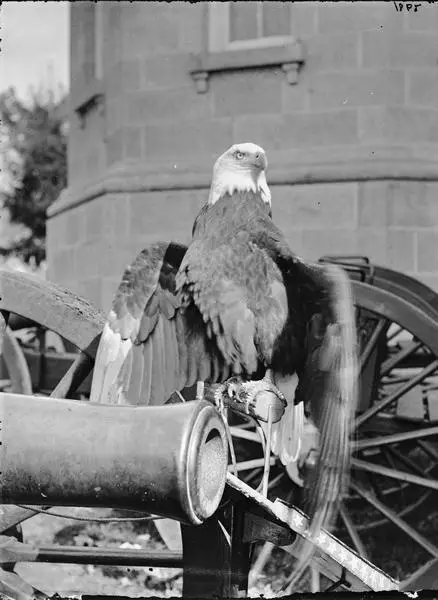
Among the more unusual pieces are a brown feather from “Old Abe”, the famous bald eagle associated with Union troops in more than 30 Civil War battles, which came from Wisconsin, and a fragment of fabric from the Wright brothers’ 1903 airplane, submitted by Ohio.
Maine contributed a bone from an endangered North Atlantic right whale, Arkansas added a diamond, and New Mexico sent in a recipe for a traditional anise-flavoured cookie.
Some states and institutions chose items that reflected the technology and culture of the moment. California included a printed answer from the AI chatbot Claude after asking it to forecast what the state could look like by the time the capsule is opened in 2276.
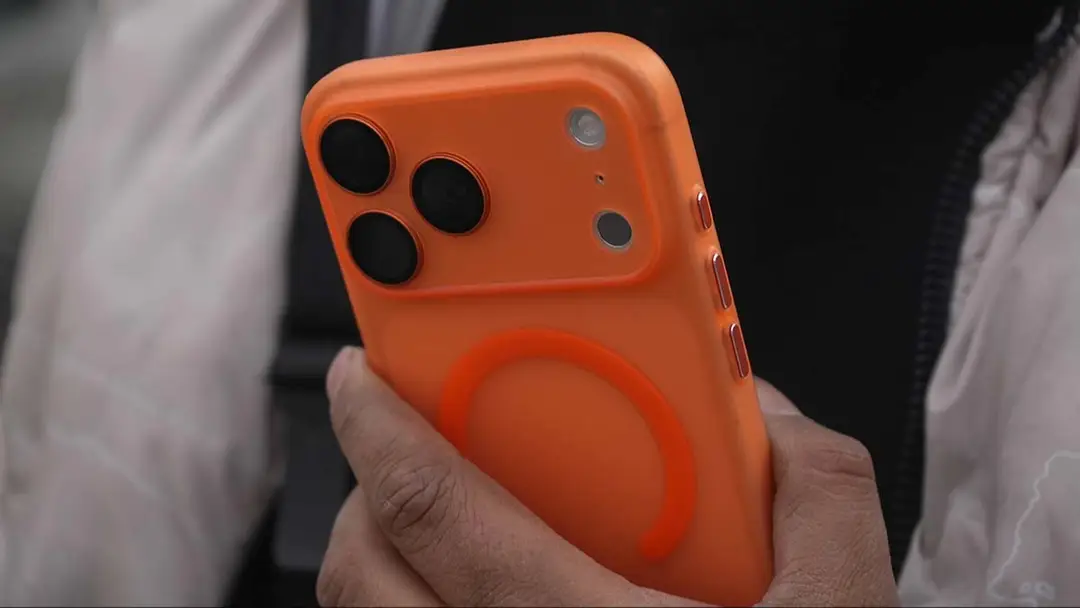
Contemporary life is represented too, including an orange iPhone to reflect the role smartphones now play in everyday American routines, as well as a pin celebrating the Oklahoma City Thunder’s 2025 NBA title.
Some proposed items were left out. A leather American football, for example, was reportedly rejected because engineers were concerned it would deteriorate long before the capsule was due to be opened.
One of the most advanced objects inside comes from the Library of Congress: a molecular data storage device in a metal vial roughly the size of a pencil eraser, containing synthetic DNA encoded with digital versions of selected materials from the Library’s collections.
The device holds digitized historic materials including Thomas Jefferson’s rough draft of the Declaration of Independence; Francis Scott Key’s handwritten lyrics for “The Star-Spangled Banner;” an 1898 audio recording of “The Star-Spangled Banner” by John Philip Sousa’s band; a 3D rendering of President Abraham Lincoln’s hand; the 1791 L’Enfant Plan for Washington, D.C.; the Codex Quetzalecatzin, and other rare digitized materials from the Library’s collections.
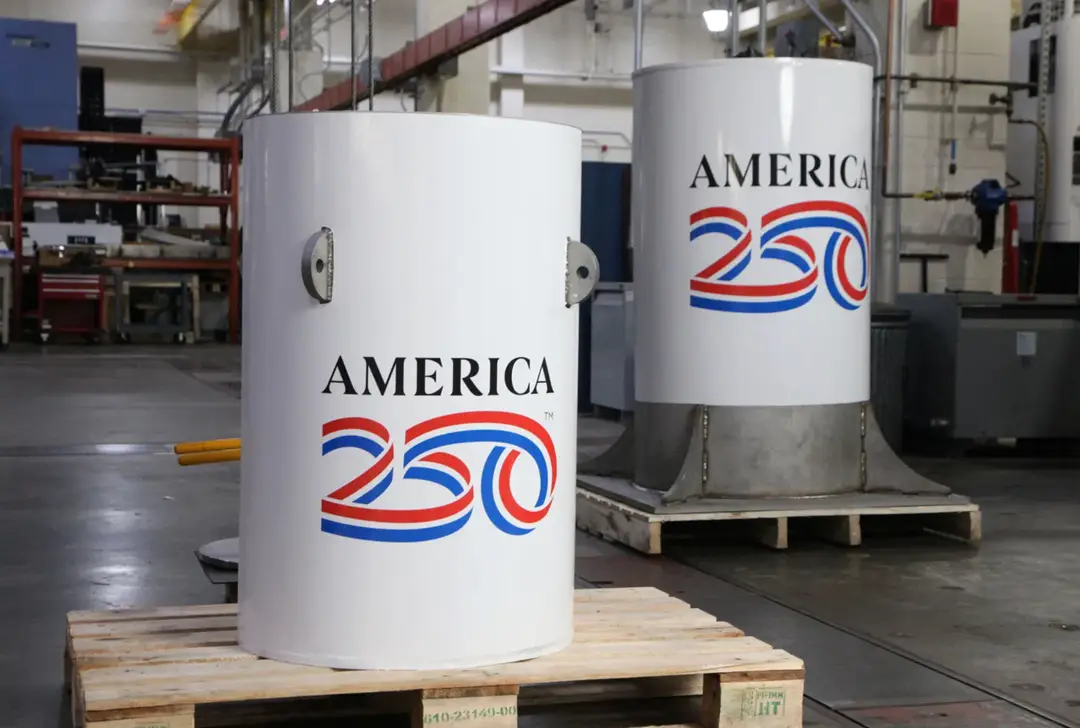
Rosie Rios, chairwoman of the America250 organization overseeing the effort, said the collection was meant to serve as a faithful record of the country at this point in time.
“Together it all makes for a representative record of the United States at 250 years,” Rios said.
The choice of stainless steel was deliberate. Designers wanted a structure with as few seams and joints as possible to reduce the risk of moisture getting inside over the centuries. The capsule has also been sealed within a metallic bell that creates an airtight space, with additional protection provided by a thin layer of soft indium metal.
NIST mechanical engineer Jay Nanninga, who headed the design work, expressed confidence that the capsule would endure. “I do think in 250 years all the stainless will be in really good shape,” he said.
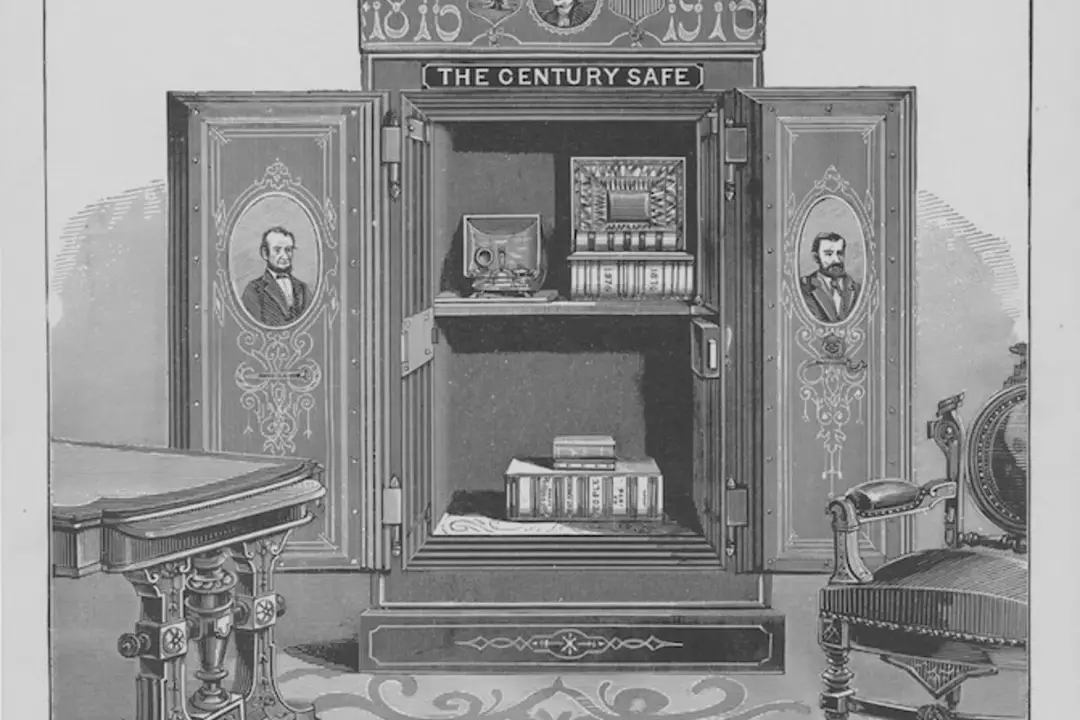
The project continues a long US tradition of preserving items for future generations during landmark anniversaries. A capsule buried for the 1876 centennial was opened exactly 100 years later, while another created for the bicentennial remains at the National Archives and is due to be opened in 2076.
Rios said she hopes the latest capsule will give people in 2276 a truthful sense of what the nation was like at 250 years old.
“When the new capsule buried in Philadelphia is finally opened in 2276, we want future generations to have a clear, authentic window into who we were at 250,” she said.
“What we valued, what we built, and how we saw ourselves as a nation.”