

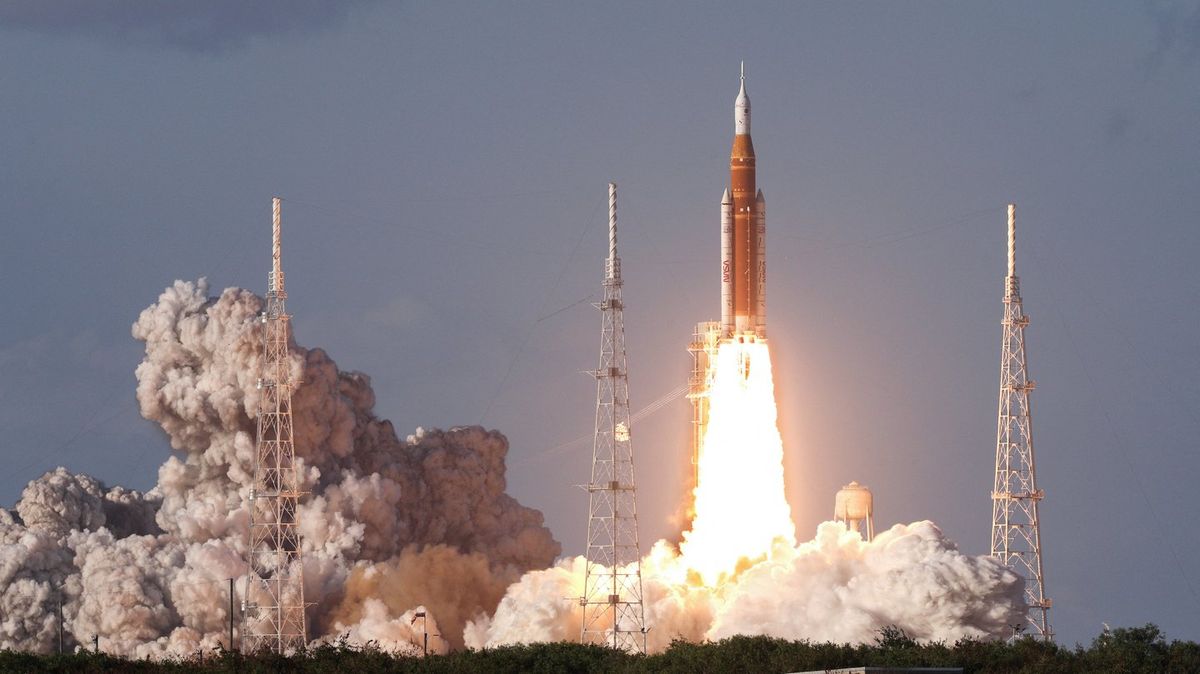
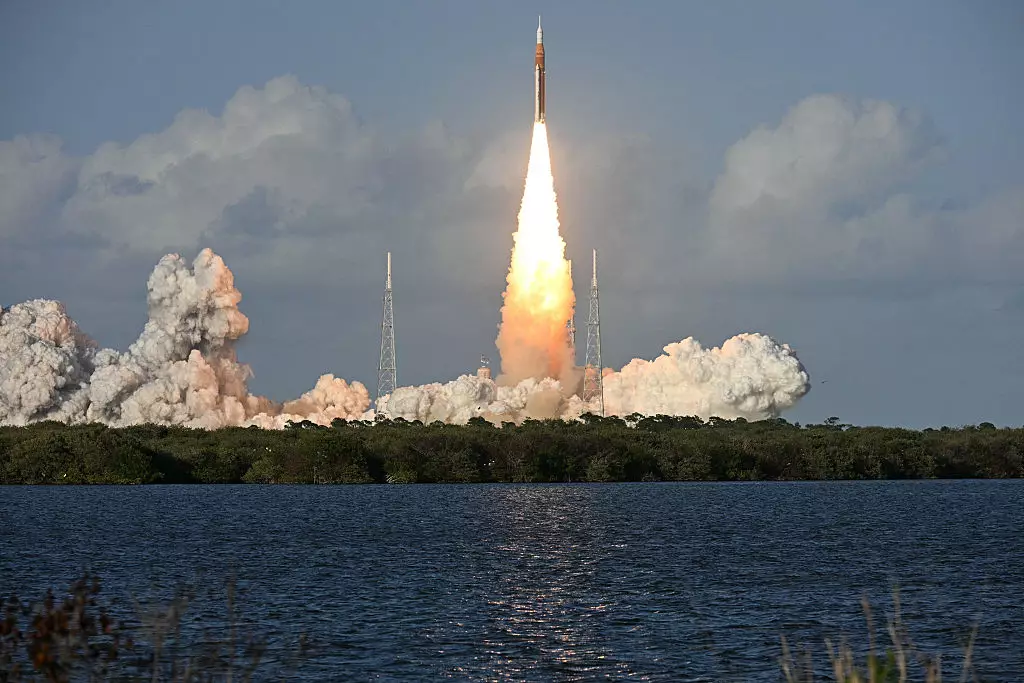
Nasa’s much-awaited Artemis II mission lifted off on Wednesday (April 1) and, despite a successful launch, the crew quickly ran into a few early snags.
Commander Reid Wiseman, pilot Victor Glover and mission specialist Christina Koch launched with Canadian Space Agency astronaut Jeremy Hansen for a 10-day journey that will loop around the Moon.
Pre-launch concerns linked to the Launch Abort System had threatened to delay the countdown, but the spacecraft ultimately departed as planned. The mission’s goal includes capturing an unprecedented look at the Moon’s far side as the team prepares for a close lunar flyby.
After ascent, Orion settled into orbit around Earth. However, only hours into the flight, the astronauts reported a problem that instantly became a priority in the cramped cabin: the toilet wasn’t behaving as it should.
With no alternative facilities available onboard, a functioning waste system is essential on a mission of this length. The first update from the crew to mission control offered a hint that something wasn’t right.
“Toilet is powered, waste tank emerged.”
Soon after, an amber warning light appeared on the unit. Mission control advised they needed time to assess what was triggering the alert and determine next steps.
In the end, the astronauts were able to carry out troubleshooting steps of their own, and the toilet is now reported to be operating normally again.
According to reports, the crew flagged a “blinking fault light,” after which ground teams reviewed the telemetry and coordinated with the astronauts to identify the cause and clear the fault.
Koch has been singled out for helping resolve the issue, sparing the crew from an uncomfortable—and potentially miserable—10 days if the system hadn’t been restored.
With that problem behind them, the Artemis II team is now moving into a planned pre-sleep period, with four hours of rest scheduled before they wake to carry out an orbital adjustment.
They are then expected to get another four hours of sleep, creating a split-rest routine intended to keep the crew functional while they work through demanding checklists.
Meanwhile, Orion’s engines, navigation tools and life-support equipment are being exercised and evaluated to confirm the capsule is ready for the next phase of the mission before heading farther from Earth.
If those evaluations are completed without concern, Orion will use its main propulsion to increase speed and set the spacecraft on course for the Moon.
But if any key system fails to meet requirements, engineers could opt to end the mission early and bring the crew back home ahead of schedule.
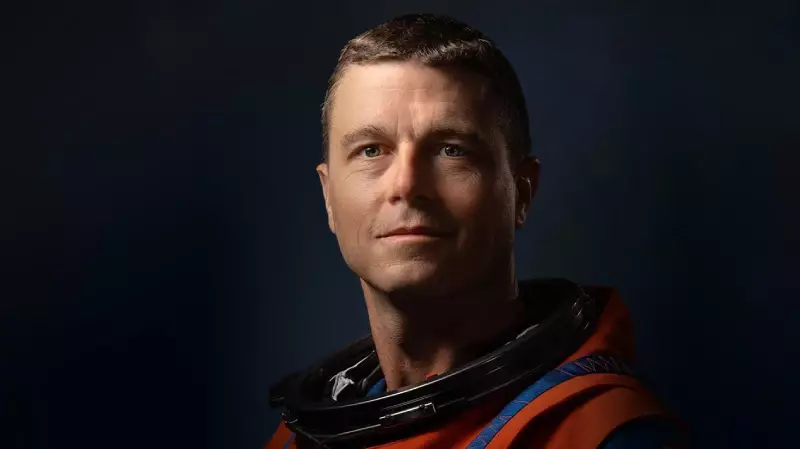
Wiseman, a US Navy test pilot who later became an astronaut, is raising his two teenage daughters as a single parent after his wife died from cancer in 2020.
He has discussed the risks of spaceflight with his children and described the practical steps he’s taken in case the worst happens, recalling a conversation on a walk:
“Here’s where the will is, here’s where the trust documents are, and if anything happens to me, here’s what’s going to happen to you… That’s part of this life.”
Wiseman has also said he intends to bring a small notepad onboard to record thoughts and reflections during the mission.
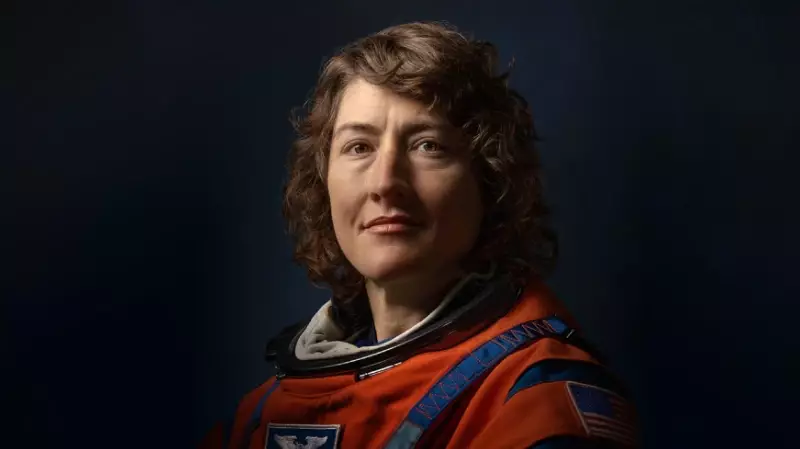
Koch, an engineer and physicist, arrives on this mission with a history of standout achievements in human spaceflight.
She previously set the record for the longest single spaceflight by a woman, spending 328 days aboard the International Space Station in 2019. She also helped make history during the first all-female spacewalk. With Artemis II, she becomes the first woman to travel to the Moon and into deep space.
For her personal item, Koch is bringing handwritten notes from people close to her—something she has called a “tactile connection” to loved ones back on Earth.
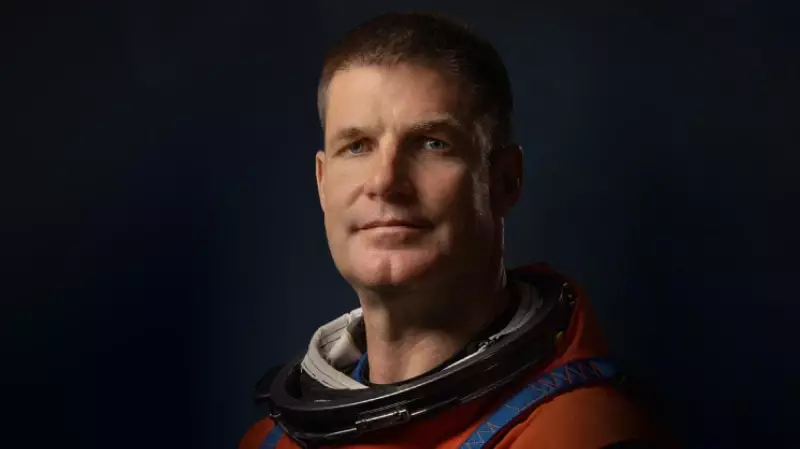
For Hansen, a former Royal Canadian Air Force fighter pilot and physicist, the flight marks his first trip to space—along with a national milestone as the first Canadian to venture into deep space.
Hansen, who is married with three children, is carrying four moon-shaped pendants for his family, engraved with the words “Moon and back” and set with their birthstones.
He’s also bringing maple syrup and maple cookies for the journey, a nod to home in unmistakably Canadian fashion.
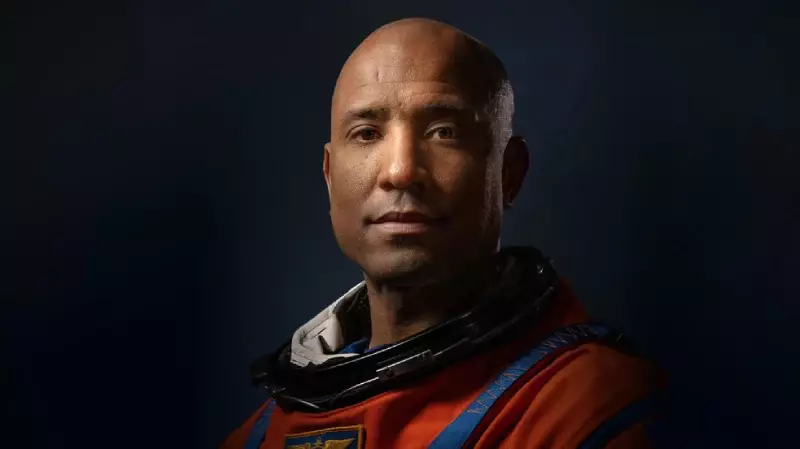
Glover, a former US Navy fighter and test pilot who joined NASA’s astronaut corps in 2013, is also making history on Artemis II as the first Black person to travel to the Moon.
He is married with four children and previously flew as pilot on NASA’s SpaceX Crew-1 mission, later spending nearly six months aboard the International Space Station as part of Expedition 64.
Often described as the Artemis crew member with the most charisma—and known for his sharp style—Glover has said he will carry a Bible, his wedding rings and family heirlooms, plus a set of inspirational quotations compiled by Apollo 9 astronaut Rusty Schweickart.