

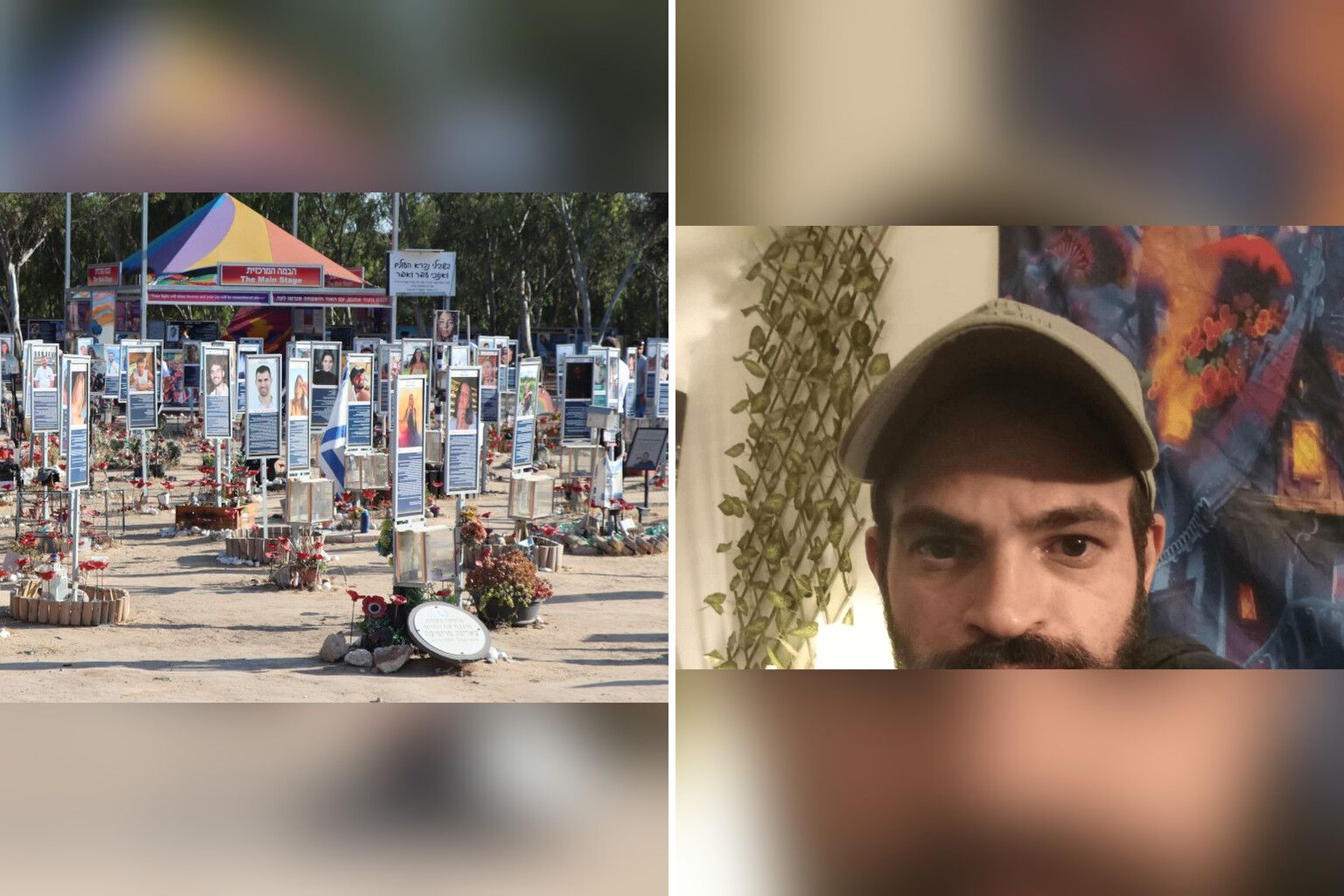
Gilad Karplus has never driven the full escape route that saved his life on October 7.
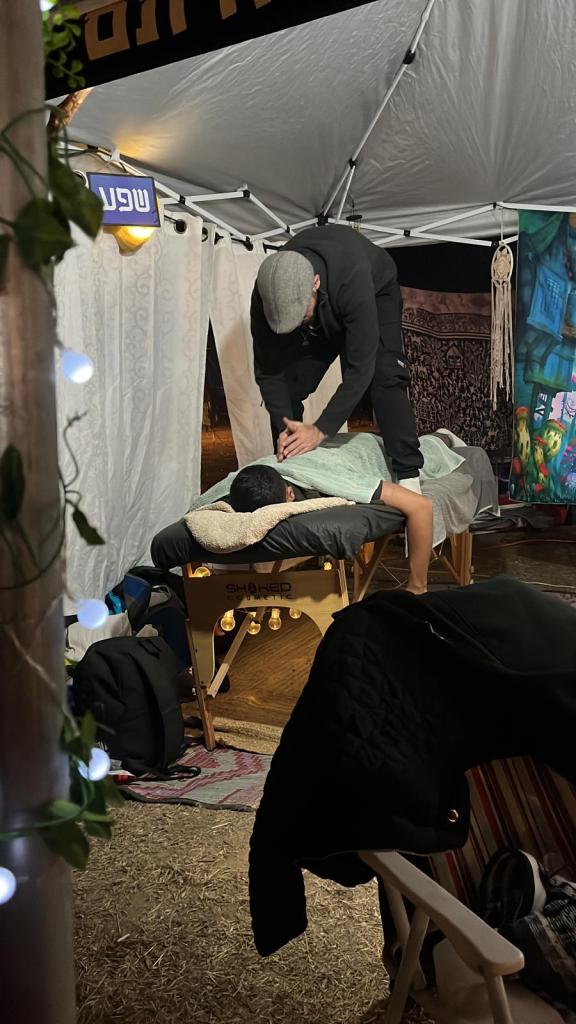
Karplus, 34, an Israeli-American massage therapist, was working the Nova music festival near Kibbutz Re’im when Hamas gunmen stormed southern Israel three years ago. He survived a bullet to the back of his head during a desperate off-road flight through fields and kibbutzim, and now treats fellow survivors with the same healing skills that brought him to the festival that morning.
“People scattered to all different places for survival,” he told The Post. “Most of our survival story is off-road.”
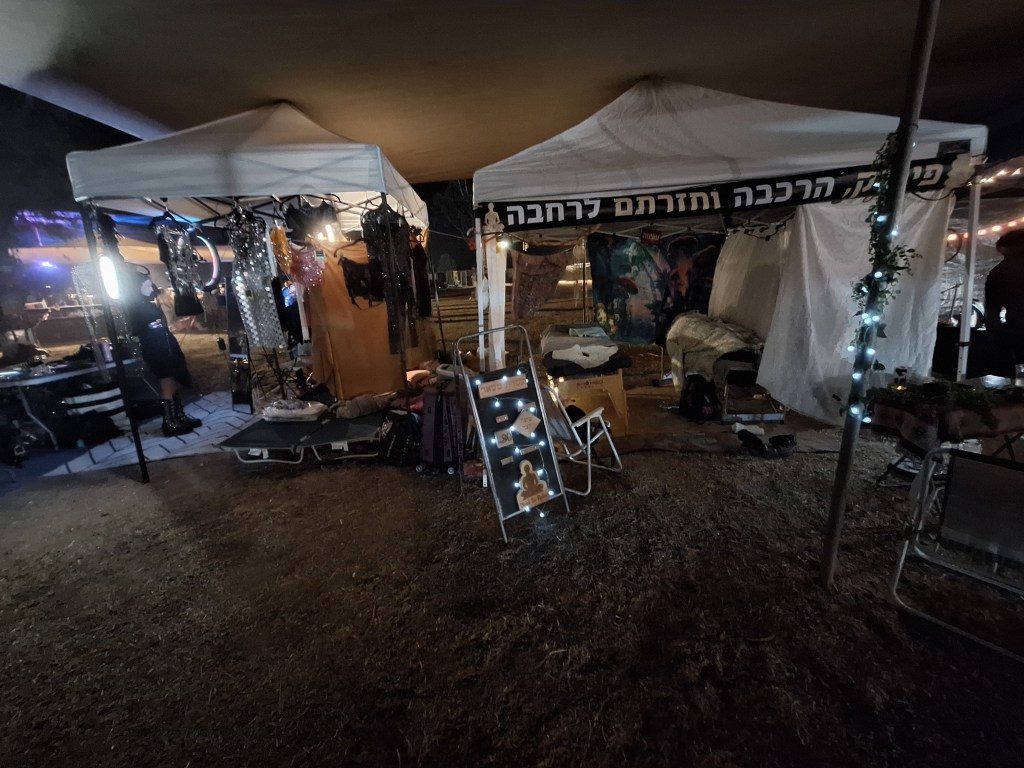
When rockets began falling, Karplus packed his massage equipment into a Jeep with friends. The former Israeli special forces soldier quickly recognized the sound of AK-47 fire cutting through the chaos.
“They were shooting, and before I noticed, all these kids around me just fell to the ground,” he recalled.
Rather than follow terrified crowds onto Route 232, the only paved exit from the festival grounds, Karplus directed his friend to drive through surrounding agricultural fields. His tactical instinct proved correct — the highway had already become a killing corridor — but danger followed them everywhere.
“Then we found there were also terrorists off-road,” he continued.
The group passed a military vehicle that had apparently been attacked, its exterior covered in blood. Karplus retrieved an M16 rifle from it, but the weapon was too badly overheated to fire. Gunmen in pickup trucks pursued them toward the Gaza fence. One friend was abducted and later killed. Near Kibbutz Be’eri, ambushers struck from both sides.
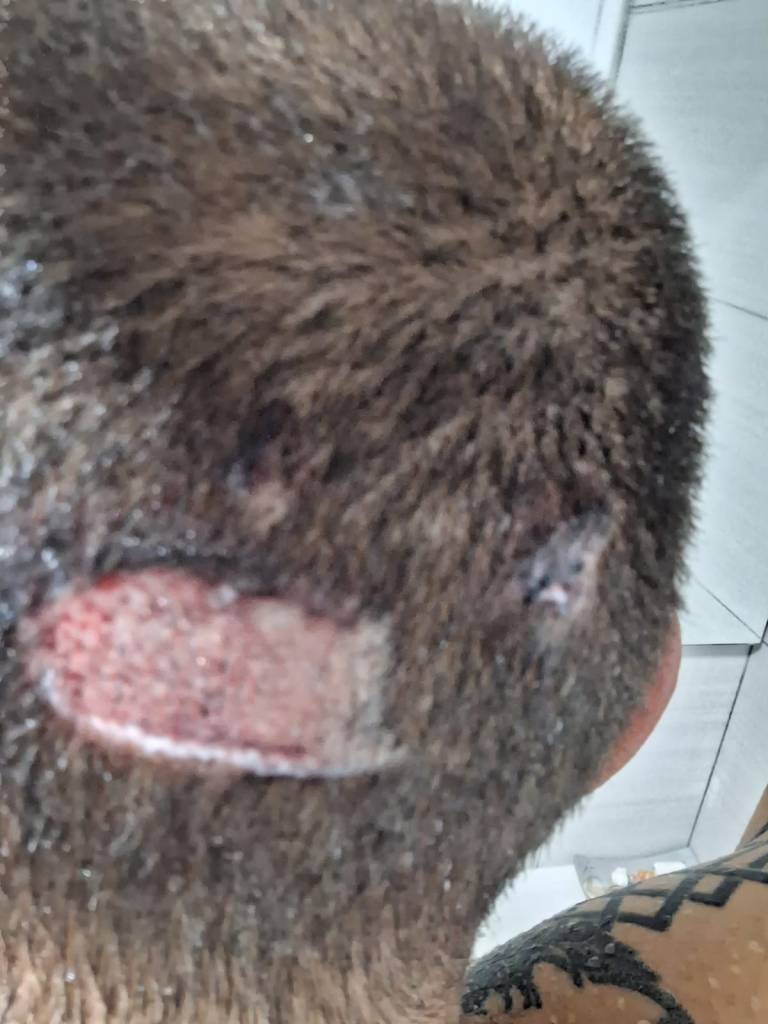
“They shot at us, and one of the bullets hit my side of the car, and I was shot in the back of the head through the side,” Karplus said.
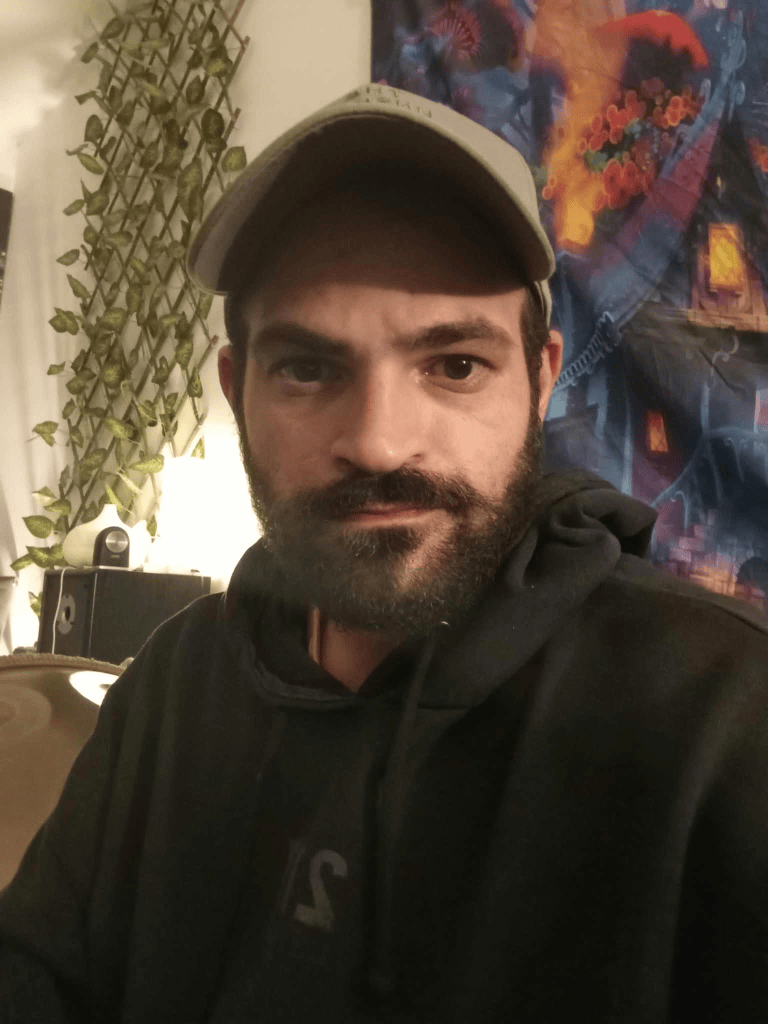
He remained conscious, pressing his hat against the wound to slow the bleeding while clutching the useless rifle. Adrenaline masked the pain.
“It was crazy, and I felt like I was going to die,” he said.
The fleeing group finally found refuge in a bathroom adjoining a bicycle shop, where they hid for six and a half hours as attackers moved outside.
“For the entire 6.5 hours, we could hear them; they just didn’t know we were there,” Karplus said. “I told [my friend] to breathe through her nose to not attract sound.”
During the wait, he thought of his grandmother, a Holocaust survivor. “I was just thinking of her and what she’s been through,” he said.
When Israeli soldiers finally reached them, the scene outside defied comprehension. “There was just unimaginable death and carnage, cars burned and blood on the road,” Karplus recalled.
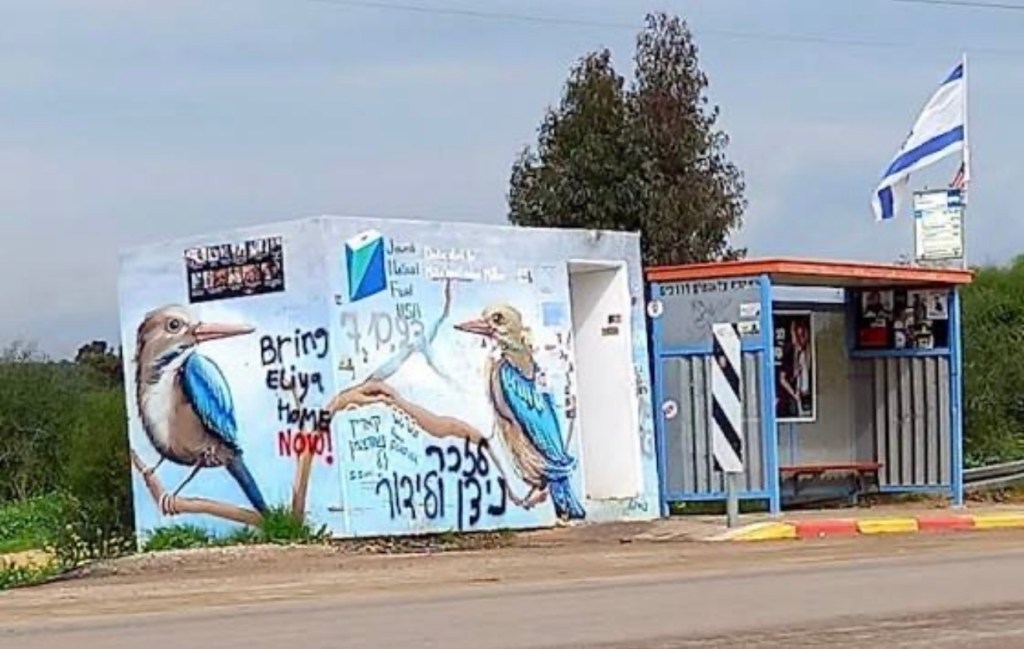
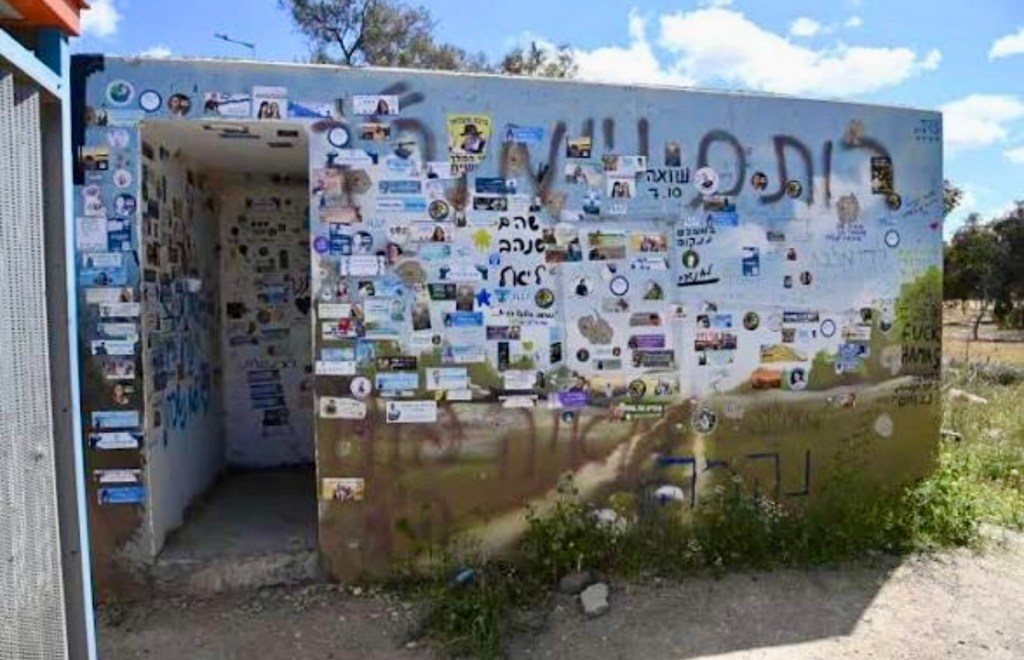
Today, the 33-mile stretch of Route 232 and connecting roads where nearly 300 people were killed — festivalgoers, motorists, cyclists, farmworkers and police officers, according to the October 7 Parliamentary Commission Report — has become known to locals as “Death Road.” The concrete bomb shelters built to protect civilians from rocket fire, as common as bus stops along the highway, became death traps when gunmen fired through their narrow doorless entrances and hurled grenades inside.
At one shelter near Re’im Junction, 22-year-old Aner Shapira repeatedly threw grenades back out as Hamas attackers targeted those hiding within. Among those abducted from that shelter was 23-year-old Israeli-American Hersh Goldberg-Polin, whose arm was partially blown off during the attack; he was murdered in captivity in Gaza in 2024.
The shelters now stand as improvised memorials, their bullet-riddled walls covered with smiling portraits of the dead, flowers and handwritten tributes. Makeshift shrines dot the surrounding fields. Traffic continues to pass on the ordinary highway beside them.
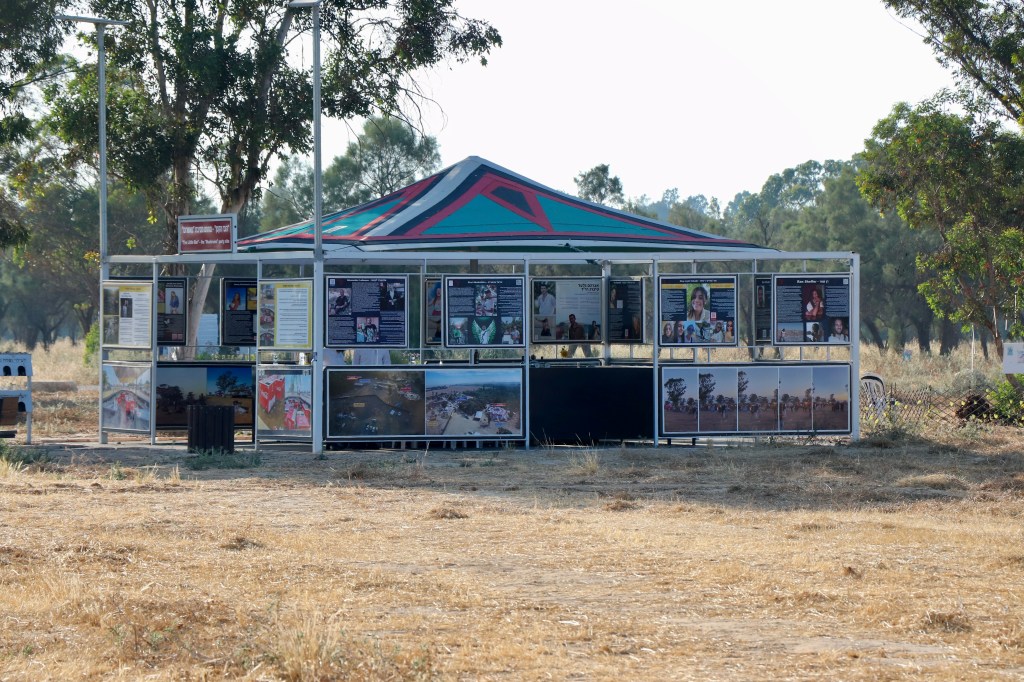
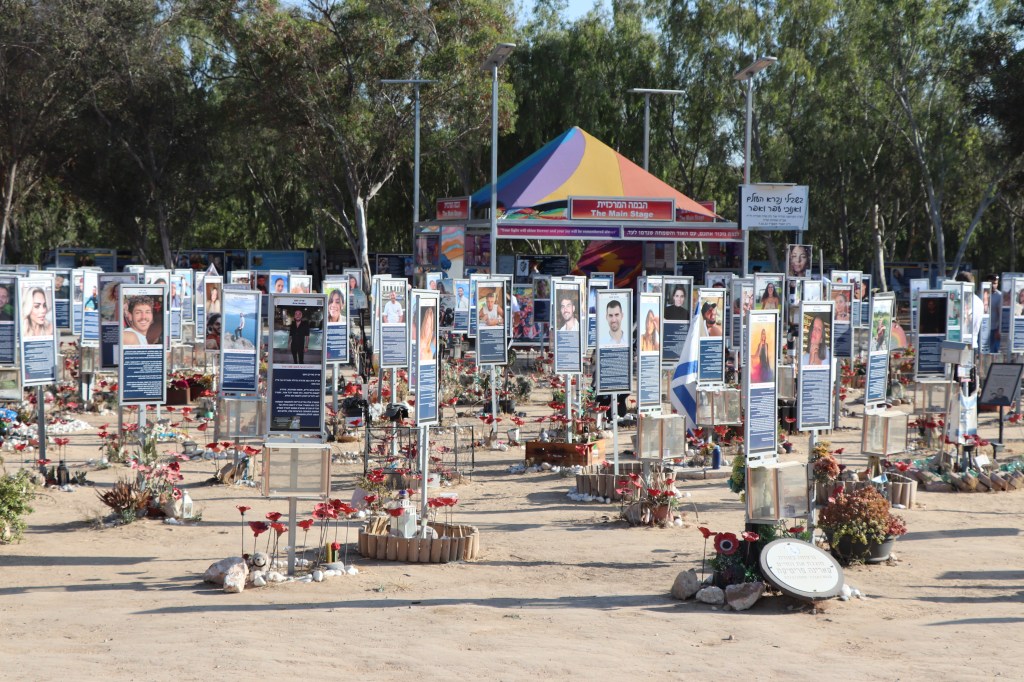
At the Nova festival grounds, photographs of the dead stand where thousands once danced. A yellow rubbish container recovered in August 2024 holds particular horror: nine people hiding inside it were murdered at 11:47 a.m., while seven survived. The container now displays photographs and final messages sent by those concealed among the rubbish bags — pleas for help, declarations of love, farewells.
The shelters’ preservation has sparked bitter dispute. In June, Ynet reported that the Eshkol Regional Council considered moving some to a formal memorial due to dangers from visitors gathering beside busy roads. Bereaved families opposed the plan fiercely.
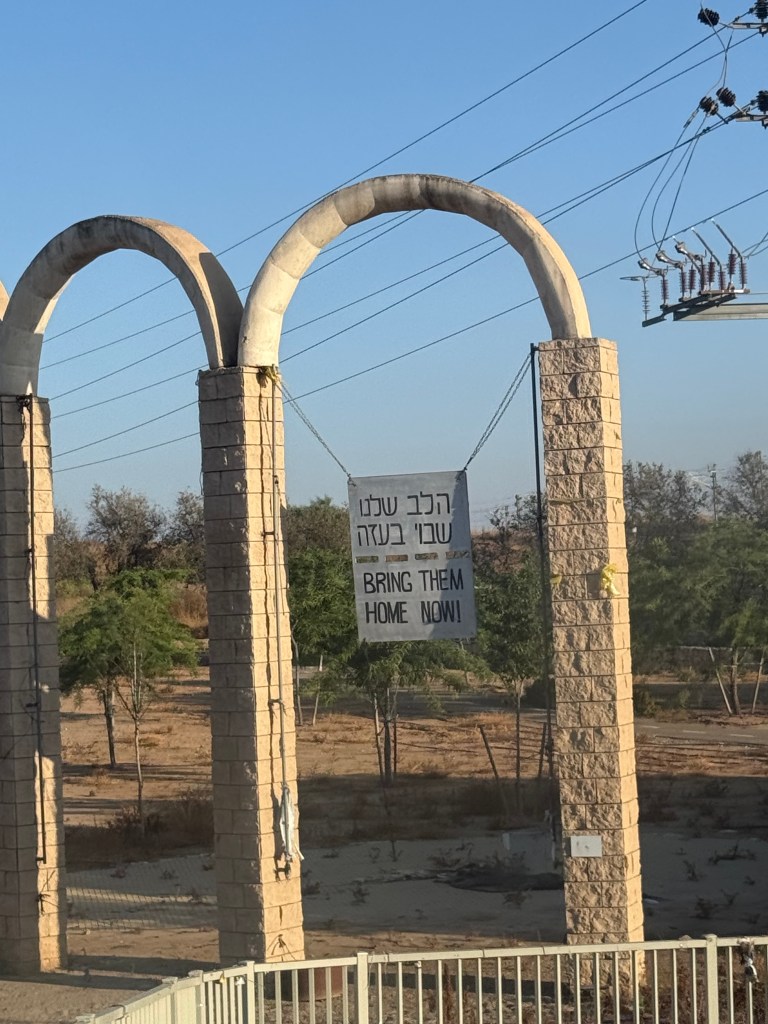
“We have to preserve them where they are,” Hila Abir, whose brother Lotan was killed at the Be’eri Junction shelter, told the outlet.
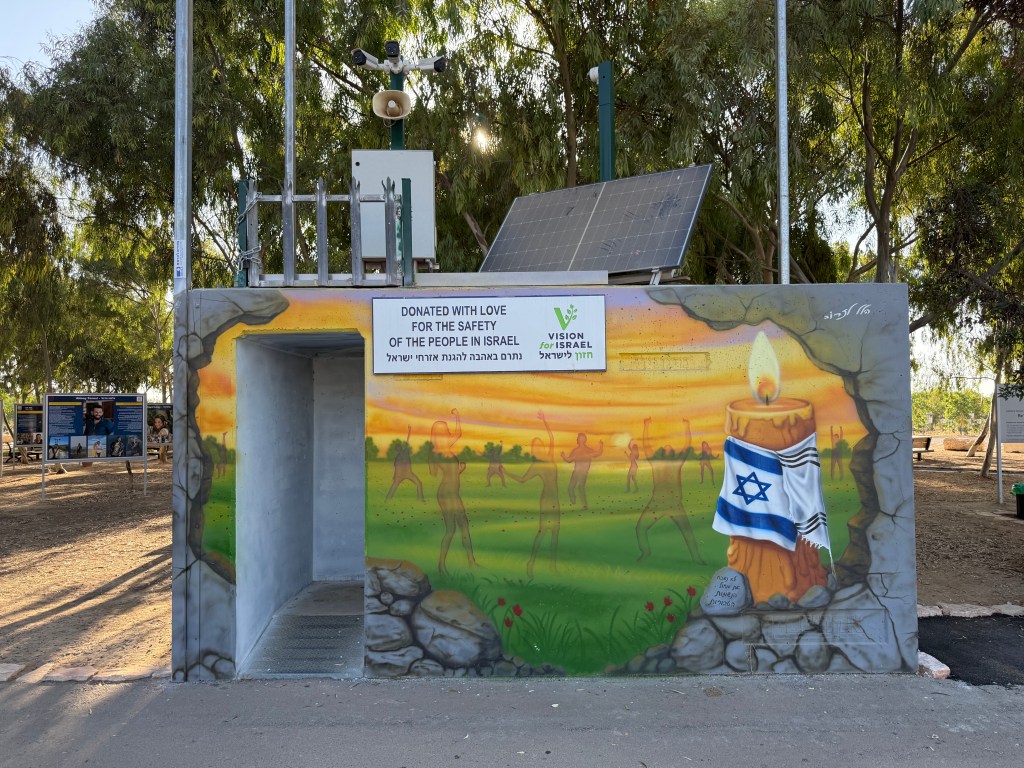
On the massacre’s third anniversary this week, Israel’s heritage minister declared the shelters national heritage sites, restricting their removal or alteration without professional approval, according to local media.
Karplus, who still lives with shrapnel and struggles to obtain adequate rehabilitation, has never returned to trace his entire escape despite residing only half an hour away.
“I haven’t been through the entire route of what I’ve been through,” he said.
He has, however, returned to healing. The masseuse who came to Nova “to heal people” now provides massage treatments to fellow survivors, channeling the work that brought him to the festival into recovery for others marked by the same day.
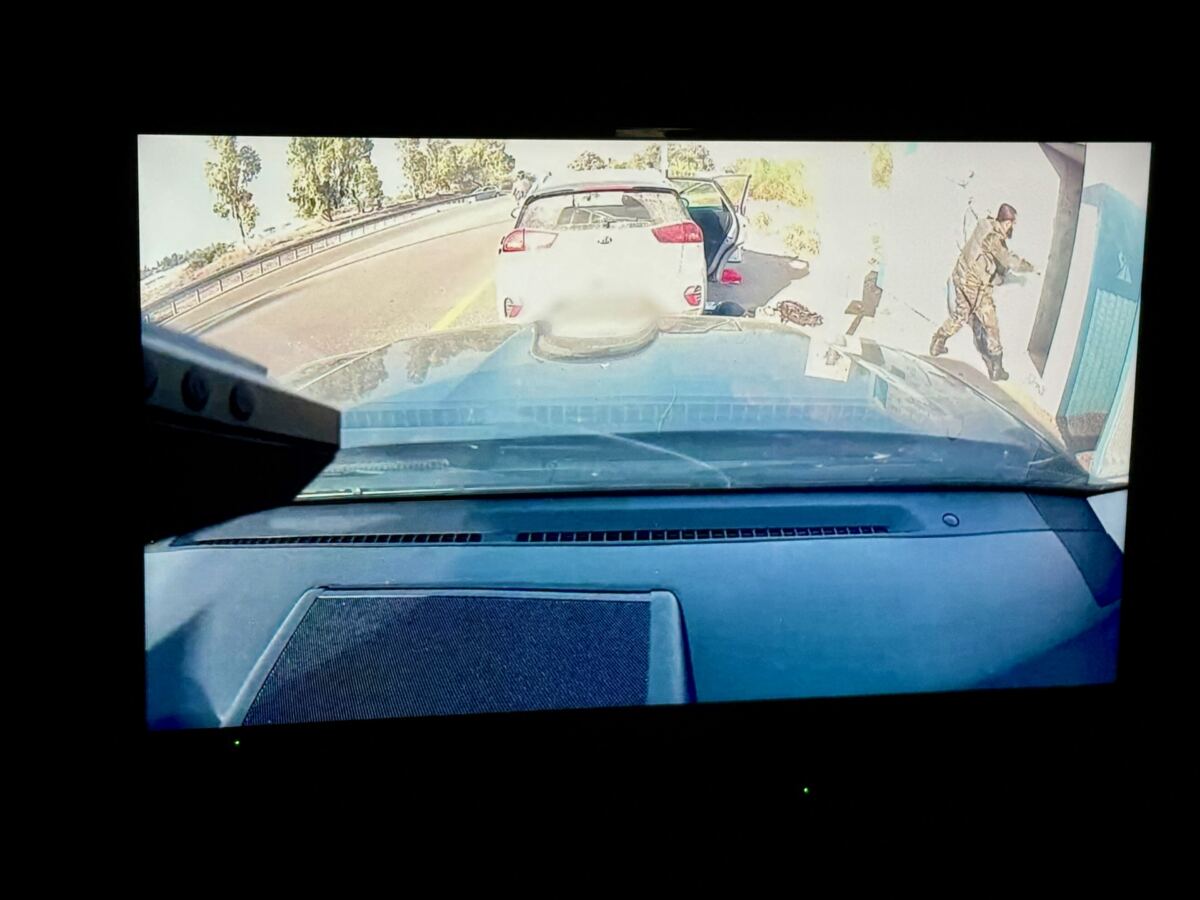
“I was a professional who came to work at the festival as a masseuse, to heal people,” he said. “On the morning of the attacks I saw my entire childhood area, where I grew up, going in flames while at the festival.”
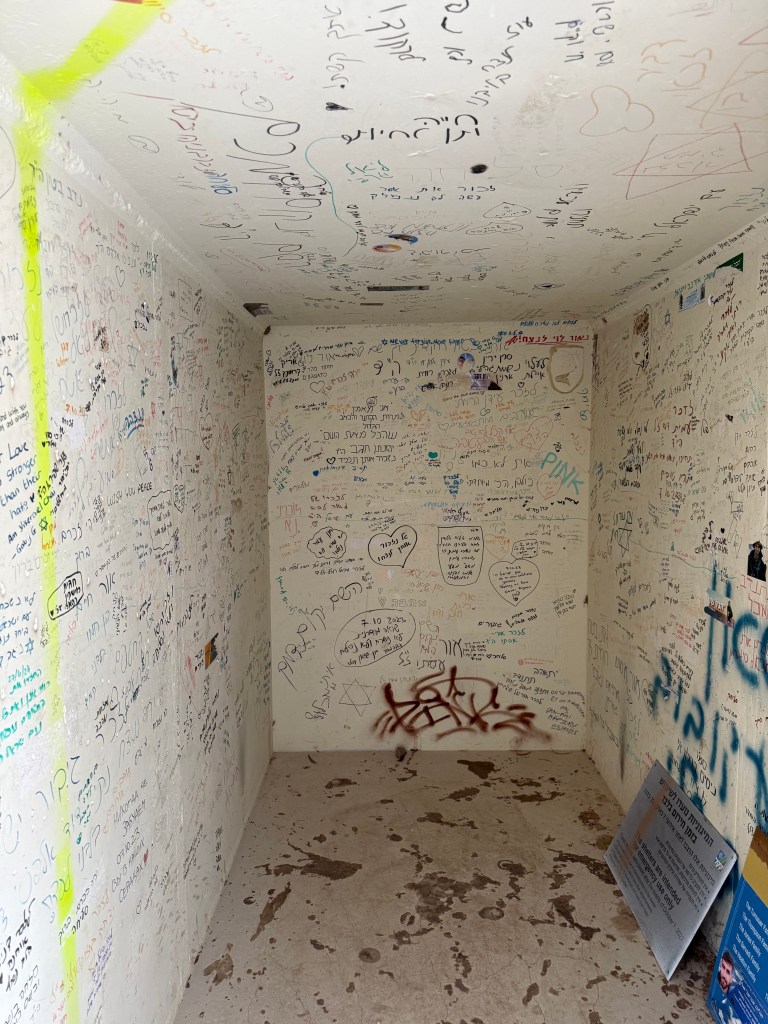
For visitors, Death Road offers witness to the massacre’s extraordinary geographic reach — the miles of ordinary roads and farmland where murder spread. For survivors, it holds memories nearly impossible to revisit.
“Just for a moment, time stood still, and it was like time died,” Karplus said of the attack’s peak chaos.
Flowers are replaced. New messages appear. Traffic moves past. But mile after mile, the faces on the shelter walls remain, marking where escape from the festival ended in slaughter.
Karplus continues his survivor work from his home region, the same childhood landscape he watched burn that morning.