

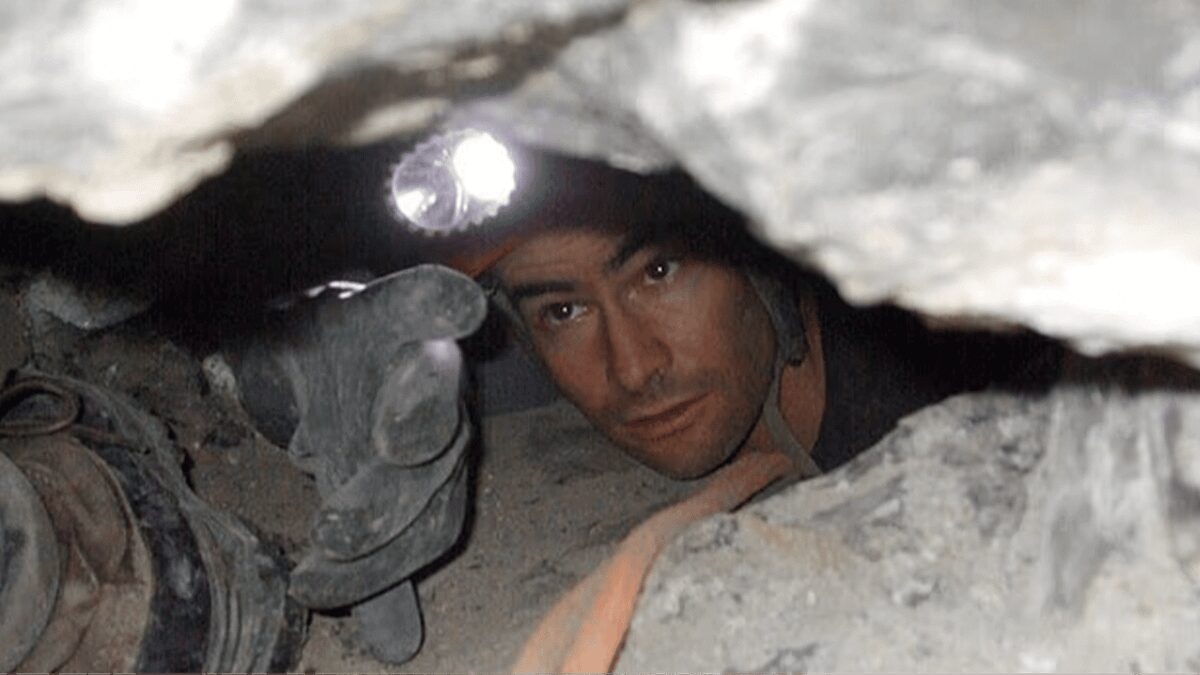
John Edward Jones’s tragic death in Utah’s Nutty Putty Cave has been recounted many times over the years.
Less frequently discussed are the details of what unfolded underground during the final hours — and the confusion above ground as information about the rescue spread.
By the time rescuers launched their most serious effort to pull him out, Jones, a 26-year-old medical student, had been trapped for close to 20 hours. He was wedged upside-down in a tight section estimated at about 10 inches by 18 inches.
To attempt an extraction, a dual haul system was assembled through a winding crawlway. Multiple anchor points and pulleys were used, ending at a final point attached to what the rescue team described in the National Speleological Society’s official incident report as a ‘seemingly bomber natural anchor in the ceiling’.
In reality, that assessment proved disastrously wrong.
The report explains that the natural bridge used for the final deviation had a sharp back edge, and that edge had been slowly sawing into the 11mm rope supporting the pulley system.
At the moment it failed, rescuer Ryan Shurtz was positioned forward in the passage, directly beneath the anchor. He was working with Jones’s legs and urging him to push when the rope snapped. The steel carabiners and pulleys hit Shurtz in the face ‘with incredible force’. He was knocked unconscious, suffered a partially severed tongue, severe facial cuts, and a concussion.
After regaining consciousness, Shurtz was assisted back through the crawlway to the haul team, treated by medics, and later managed to leave the cave on his own. He ultimately recovered fully.
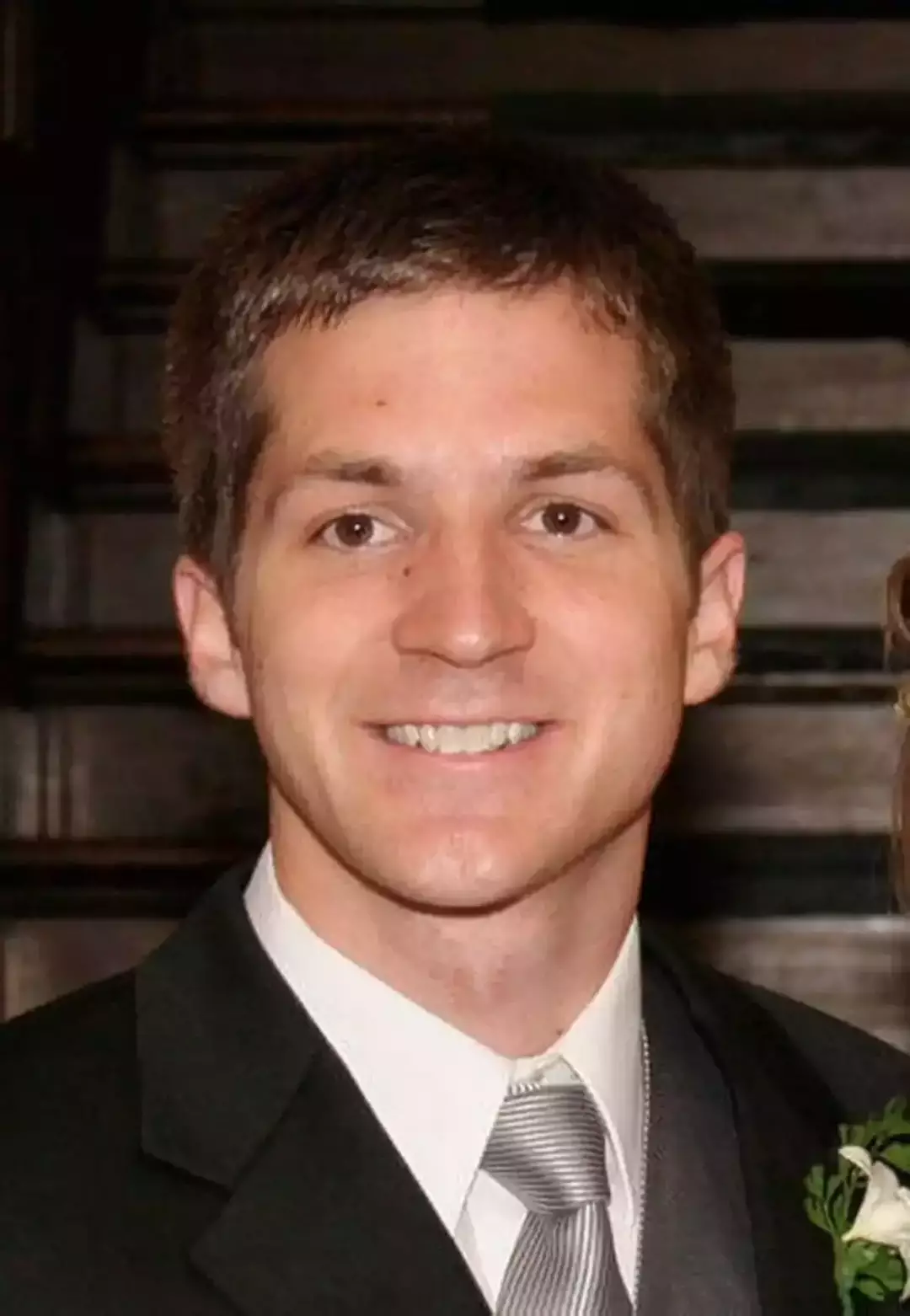
The equipment failure had another devastating consequence: it dropped Jones about a foot deeper into the narrow passage. He had already been deteriorating after so long inverted, and although the drop itself didn’t injure him, it removed any realistic path to a successful extraction.
Soon after, Jones became unresponsive. The incident report describes the moment as effectively ending the rescue effort: “The rigging failure also dropped John down about a foot. The drop did not injure him, but effectively ended any hope of rescue as his condition had been severely declining.”
What makes the timeline even more unsettling is what was being said on the surface while this was happening below. The NSS report notes that a rescuer exited the cave and told members of the press that Jones was nearly out and would be free within a couple of hours.
That optimistic message then spread widely, with television coverage reporting that Jones had already been freed and was being brought out.
But the report’s account is blunt about the reality underground: “Only about an hour later, the rigging failed.” At that point, Jones was not close to being rescued, and the report says the incorrect information ‘caused a lot of confusion and hurt for family members, rescuers, and other cavers’.
Another detail that receives less attention is what the landowner wanted to do in the aftermath.
Although the cave was ultimately sealed with concrete on December 3, 2009, the landowner initially pushed for a far more dramatic solution.
Following Jones’s death, the landowner wanted to place charges throughout the mile-long cave and destroy it with dynamite. Cavers later persuaded him to accept a compromise in which only the entrance would be permanently sealed.
Jones died sometime between 10pm and midnight on 25 November 2009. His death is widely believed to have been caused by the effects of being inverted for more than 24 hours — the position restricting breathing by compressing the diaphragm and lungs and contributing to fluid buildup. Many have described Jones’ death as the ‘worst death imaginable’.
Over time, the case has drawn a grim level of online fascination, including a YouTuber who created a VR simulation that lets viewers ‘experience it yourself’.
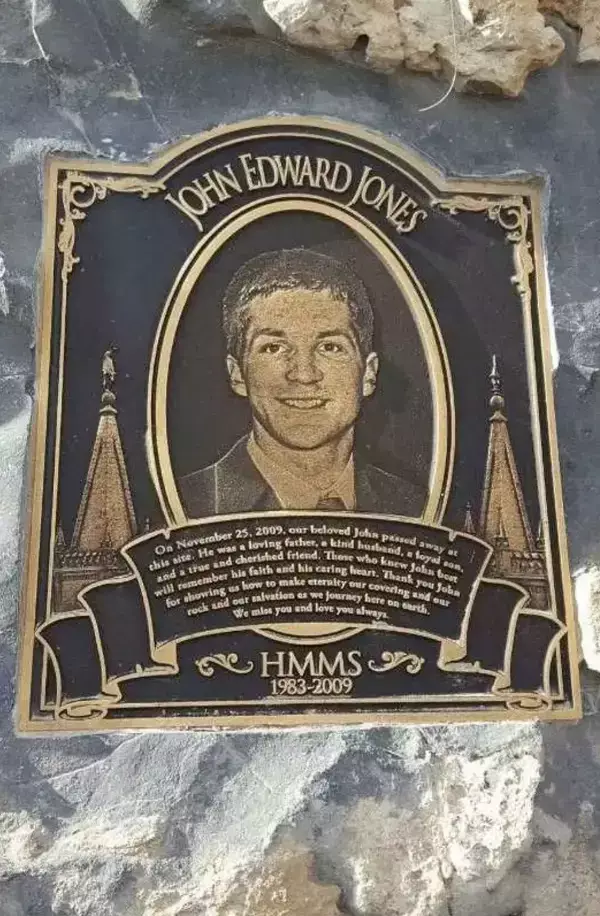
Jones’s body was never recovered. The cave was closed with a concrete plug and has stayed sealed ever since, marked only by a plaque in his memory.
The incident report closes with a key takeaway for future emergencies: press communication should be routed through an appointed Press Information Officer. “Inaccurate comments,” it notes, “can cause a lot of confusion and hurt.”
You can read the full report here.