


A sperm donor with a genetic mutation that greatly increases cancer risk has fathered almost 200 children throughout Europe.
Reports indicate that some of these children have sadly succumbed to illnesses, while only a few might avoid cancer in their lifetime.
The donor’s sperm, distributed by Denmark’s European Sperm Bank, began being donated in 2005.
Despite carrying the mutation, the donor remains healthy.
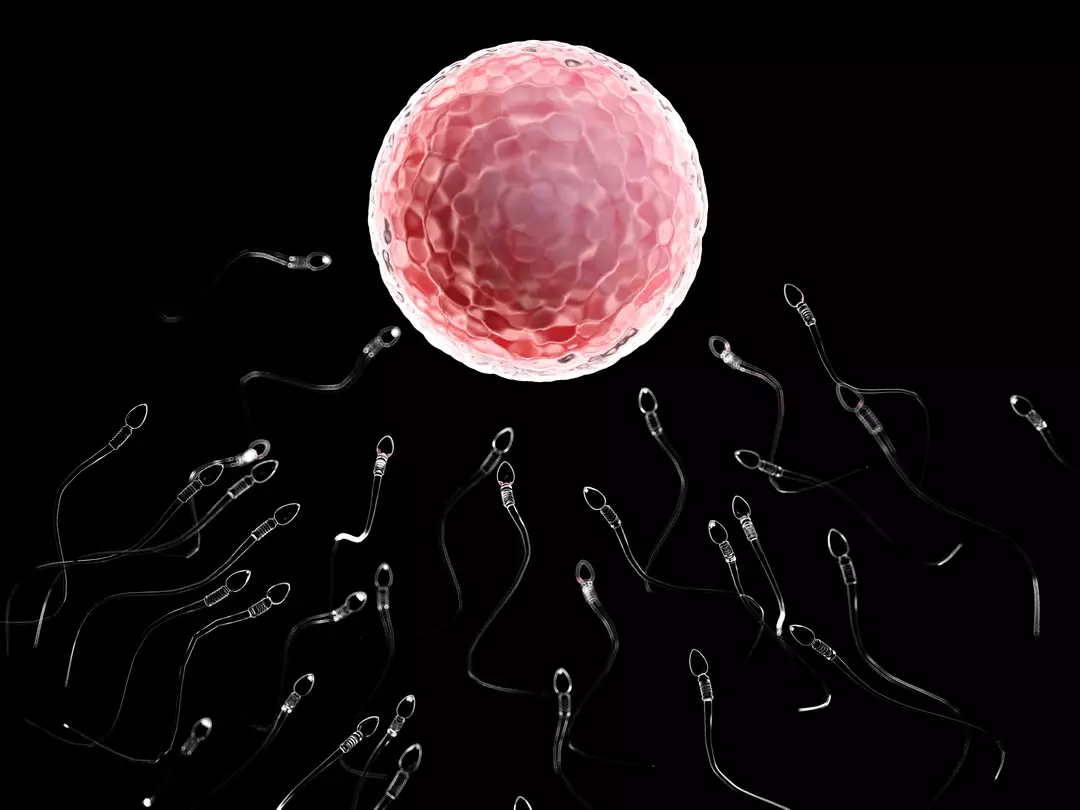
Initially passing health screenings required at the time, it has been discovered that he possesses a TP53 gene mutation affecting 20% of his sperm.
According to the BBC, which collaborated on the investigation with 14 other broadcasters, children conceived with the affected sperm will carry this mutation in every cell, potentially leading to Li-Fraumeni syndrome.
This syndrome considerably raises the risk of various cancers throughout a person’s life.

The cancers at risk include breast, bone, brain, and leukemia.
Those affected face a 90 percent likelihood of developing cancer.
“It is a dreadful diagnosis,” commented Professor Clare Turnbull, a cancer geneticist at the Institute of Cancer Research.
Turnbull shared with the BBC: “Delivering such a diagnosis to a family is extremely challenging, as there’s a lifelong burden of living with that risk. It’s clearly devastating.”
A mother of a child fathered by the donor, carrying the mutation, expressed no ill will toward him but felt the sperm given was ‘not clean… wasn’t safe, and carried a risk’.
“We don’t know when, who, or how many,” she stated.
“I understand there’s a high chance it will happen, and when it does, we’ll fight, and if there are multiple instances, we’ll fight each time.”
Julie Paulli Budtz, representing the European Sperm Bank, conveyed to CNN that the bank is ‘deeply affected by the case and the impact of the rare TP53 mutation on multiple families, children, and the donor’.
“Our deepest sympathy goes out to them,” she expressed.
“ESB conducts thorough testing and an individual medical evaluation of all donors in accordance with recognized scientific practices and legal requirements.
“The regulations in this domain are intricate, involving many conflicting considerations, and implementation varies significantly across countries.
“There is thus a need for universal and transparent European standards.”
The European Sperm Bank has also been contacted for further comments.