

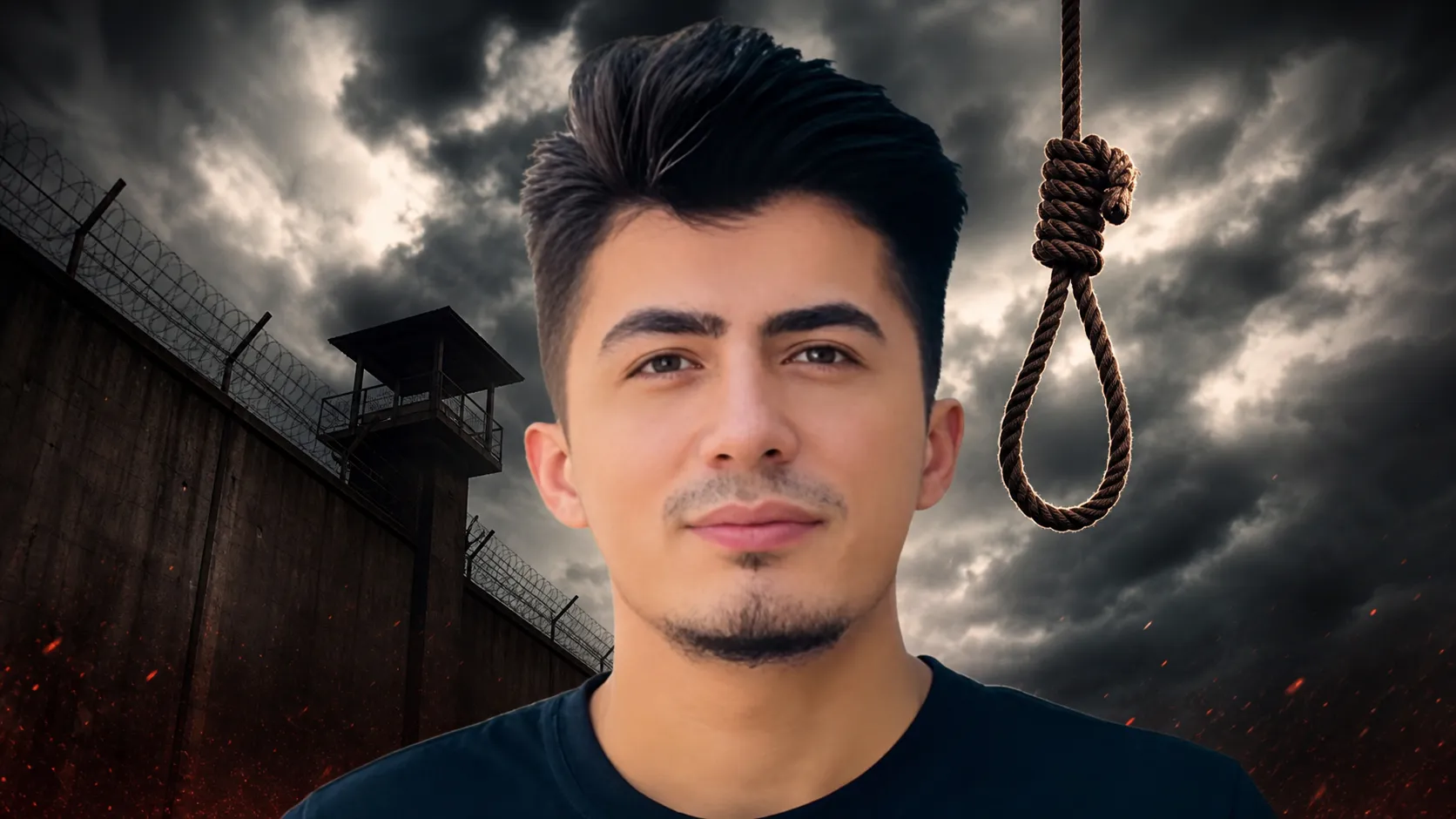
Iranian authorities have executed a man convicted of killing a security force member during nationwide protests that erupted in 2022 following the death of Mahsa Amini. The execution of Aref Khoshkar, announced over the weekend, marks the latest in a series of death sentences and executions tied to the demonstrations that shook the country and represented one of the most significant challenges to Iran’s government in recent years.
Authorities said the fatal shooting took place during unrest in Tehran, where protesters blocked roads and clashed with security forces. According to Iranian officials, Khoshkar was armed with a pellet gun and fired at security personnel, wounding Salman Amirahmadi, who later died in a hospital. In a confession cited by Iranian authorities, Khoshkar described his actions on the day of the incident, stating that he concealed the weapon under his clothes, went to a house with a friend, climbed onto the roof, fired a shot, and then threw the weapon into a trash bin.
https://www.youtube.com/watch?v=videoseries
The 2022 nationwide protests began on September 16, 2022, following the death of Mahsa Amini, a 22-year-old Kurdish woman who died in police custody after her arrest by Iran’s morality police for allegedly violating the country’s mandatory hijab law. According to eyewitnesses, Amini was severely beaten by officers, a claim denied by Iranian authorities, and she subsequently collapsed and died three days later. The protests spread rapidly across Iran’s 31 provinces and became one of the largest and most widespread revolts since the 1979 Islamic Revolution, with demonstrations punctuated by violent clashes between protesters and security forces that resulted in casualties on both sides and mass arrests.
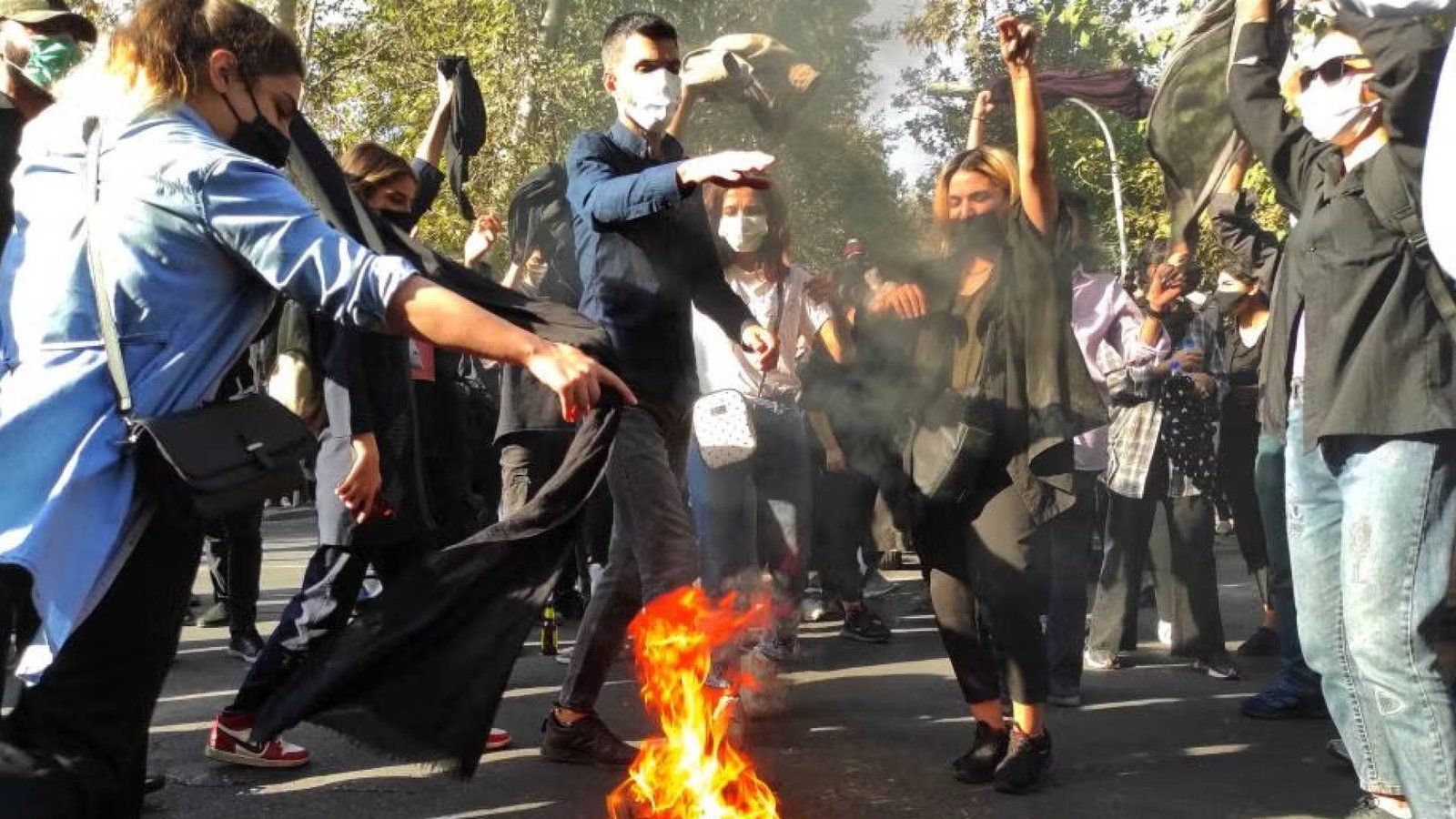
The execution of Khoshkar is the latest reported in connection with the 2022 protests, coming at a time when rights organizations have intensified criticism of Iran’s use of capital punishment. International human rights groups have expressed serious concerns about the trials of those convicted of crimes during the demonstrations, arguing that defendants have been denied due process and pointing to allegations of forced confessions extracted under torture. These organizations have called for transparent, fair, and independent trials, yet Iranian authorities have continued to carry out death sentences and executions for protest-related offenses.
Since the 2022 protests, Iranian authorities have repeatedly announced the issuance and execution of judicial sentences against defendants in protest-related cases. The charges typically include the killing of security personnel or acts of violence, rioting, and vandalism against public property. Multiple executions have been carried out, and dozens of others have been sentenced to death for similar offenses, creating an atmosphere of fear among protesters and activists.
The trials have taken place in Iran’s Islamic Revolutionary Court system, which has faced international criticism for holding proceedings behind closed doors and often not allowing defendants to review evidence used against them. Many trials in Tehran have been presided over by Judge Abolqasem Salavati, who faces sanctions from the United States for handing down numerous death sentences and lengthy prison terms to political prisoners and others seeking to exercise freedom of assembly.
Human rights monitoring organizations have documented a significant increase in executions across Iran since the 2022 protests. According to one rights group, at least 767 Iranians were executed in the year ending March 2024, more than double the figure for the year ending March 2022. Many human rights activists argue that these executions have little to do with justice and are designed primarily to instill fear in society and suppress the legitimate right to protest.
The international community has responded with criticism. The United States envoy for Iran has characterized Iran’s executions of protesters as “an affront to the human rights and basic dignity of all Iranians,” while the European Union has demanded that Iran abolish the death penalty. A United Nations fact-finding mission concluded that Iran committed “crimes against humanity” through its actions during the 2022 protests, finding that the state employed unnecessary and disproportionate use of lethal force against demonstrators and that Iranian security forces sexually assaulted detainees.
Despite the international pressure and ongoing criticism from human rights organizations, Iranian officials have maintained that all judicial proceedings strictly adhere to established laws and that verdicts are only handed down after proper criminal investigations and legal protocols. The judiciary’s response to criticism has remained consistent, with officials stating they will not show restraint in dealing with what they characterize as security threats.
The execution of Khoshkar underscores the continuing human rights concerns surrounding Iran’s response to the 2022 protests and the broader patterns of repression that have followed the demonstrations. As international observers and rights groups continue to monitor the situation, dozens of other individuals remain at risk of execution or have been sentenced to death for alleged participation in the protests or related offenses, keeping the legacy of the 2022 demonstrations and their aftermath a central concern for human rights advocates worldwide.