

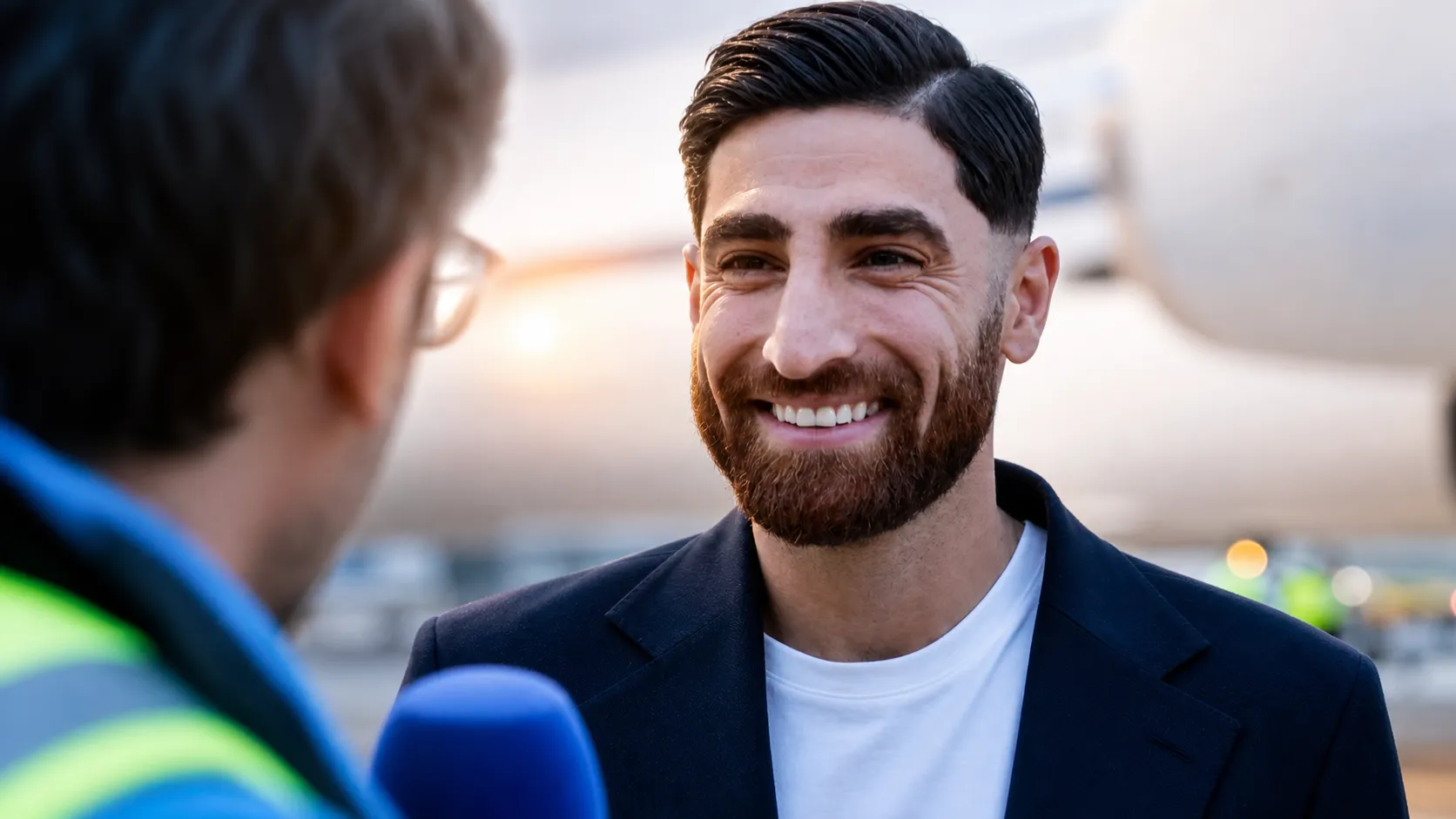
Iran’s World Cup squad could risk disciplinary action if players continue wearing the #168 badge during tournament fixtures, with FIFA reiterating its rules after another team was forced to change its kit.
As the 2026 World Cup opens on Thursday, June 11, attention has shifted to the teams settling into base camps across North America before their first group games.
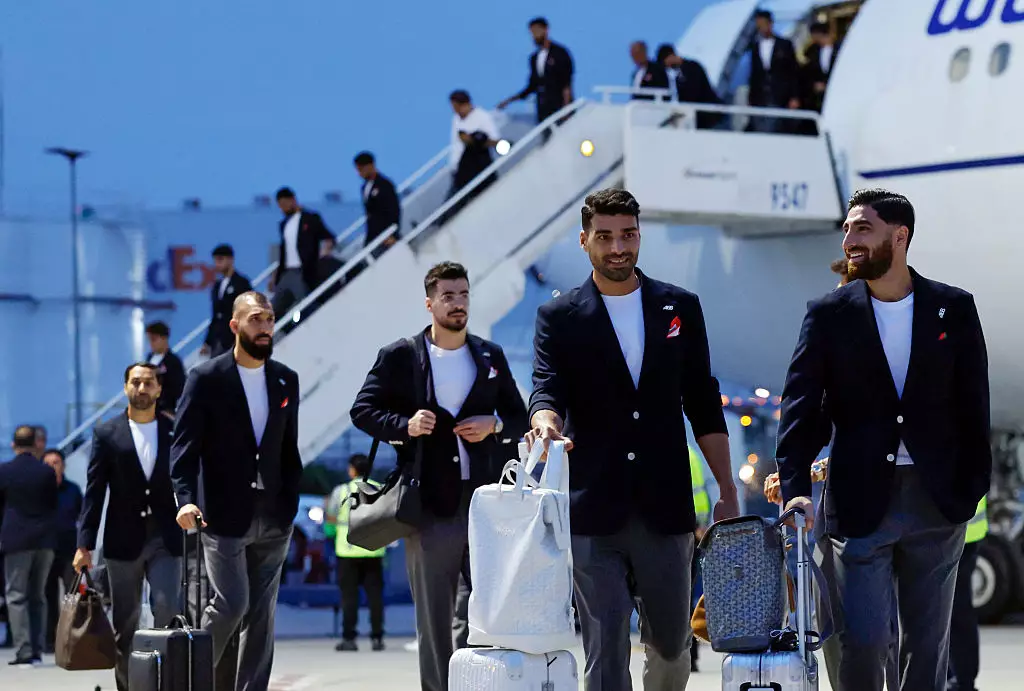
Iran’s players arrived in Tijuana, Mexico, on Sunday, June 7, after FIFA confirmed the country’s team base camp would be at Centro Xoloitzcuintle. The move means Iran will stay in Mexico and travel into the United States for matches during the tournament.
Iran are due to open their group-stage campaign against New Zealand on Tuesday, June 16, in Inglewood, California.
Supporters quickly noticed a distinctive badge on display as the squad arrived.
The #168 symbol mirrors the style of a social media hashtag and refers to the number of children Iranian officials say were killed in a strike on the Shajareh Tayyebeh school in Minab on February 28, 2026, the first day of the current conflict involving Iran and the US.
Iran’s foreign ministry has said the badge is intended to honor those who died in the attack, which has become one of the most politically sensitive civilian incidents linked to the war.
Reporting in the months since the strike has varied on the death toll, with figures ranging from more than 165 to 175 or more, but Iranian authorities have repeatedly used the number 168 in public statements about the school attack.
Still, continued use of the symbol during official matches could create problems for the team.
FIFA’s regulations take a firm position on ‘political, religious or personal slogans, statements or images’ at the World Cup.
Those restrictions are rooted in Law 4 of the Laws of the Game, which says equipment must not carry political, religious or personal slogans, statements or images, and allows action to be taken if players breach those rules.
The governing body has repeatedly made clear that players and national teams can be sanctioned by FIFA or tournament officials if those rules are broken.
Although the badge has been framed as a memorial gesture, it still appears to push against FIFA’s restrictions because the symbol relates directly to a live geopolitical conflict rather than a tournament-approved campaign.
After the matter emerged, FIFA said that any response would fall under its disciplinary code.
Because the badge was not worn during a match, no official sanction was announced.
That distinction could prove important. FIFA and match officials generally have wider powers to intervene once a symbol appears on player equipment in an official fixture, warm-up or other regulated match setting.
FIFA has already stepped in against another national side, ruling that one of its shirts breached equipment rules banning political imagery.
Haiti have been told to wear an alternative jersey for their game against Scotland in Boston on June 13 after FIFA decided the original design showed the 1803 Haitian Revolution battle of Vertières, imagery it believed could fall foul of the same rules.
The jerseys were created by official team outfitter Saeta, who said in a statement:
“During the review process, FIFA determined that certain visual elements could be interpreted differently under its equipment regulation and ultimately requested modification to the design.”
They added:
“The final design was intended as a tribute to the men and women who contribute every day to Haiti’s future and was not intended as a political statement.”
The Haiti case has sharpened scrutiny on how strictly FIFA plans to police expressions of remembrance, national history and political symbolism during this tournament.
Under FIFA’s disciplinary framework, players and teams that display unauthorized political messaging can face several possible consequences.
Those measures can range from warnings and fines to orders requiring the message to be removed. In more serious cases, individual players may be suspended, while teams could face sporting sanctions.
For now, Iran have not been charged and FIFA has not publicly indicated that the team is under formal investigation. But if the #168 badge appears on matchday clothing or playing equipment during the World Cup, the issue is likely to move from a pre-tournament controversy to an active disciplinary matter.