

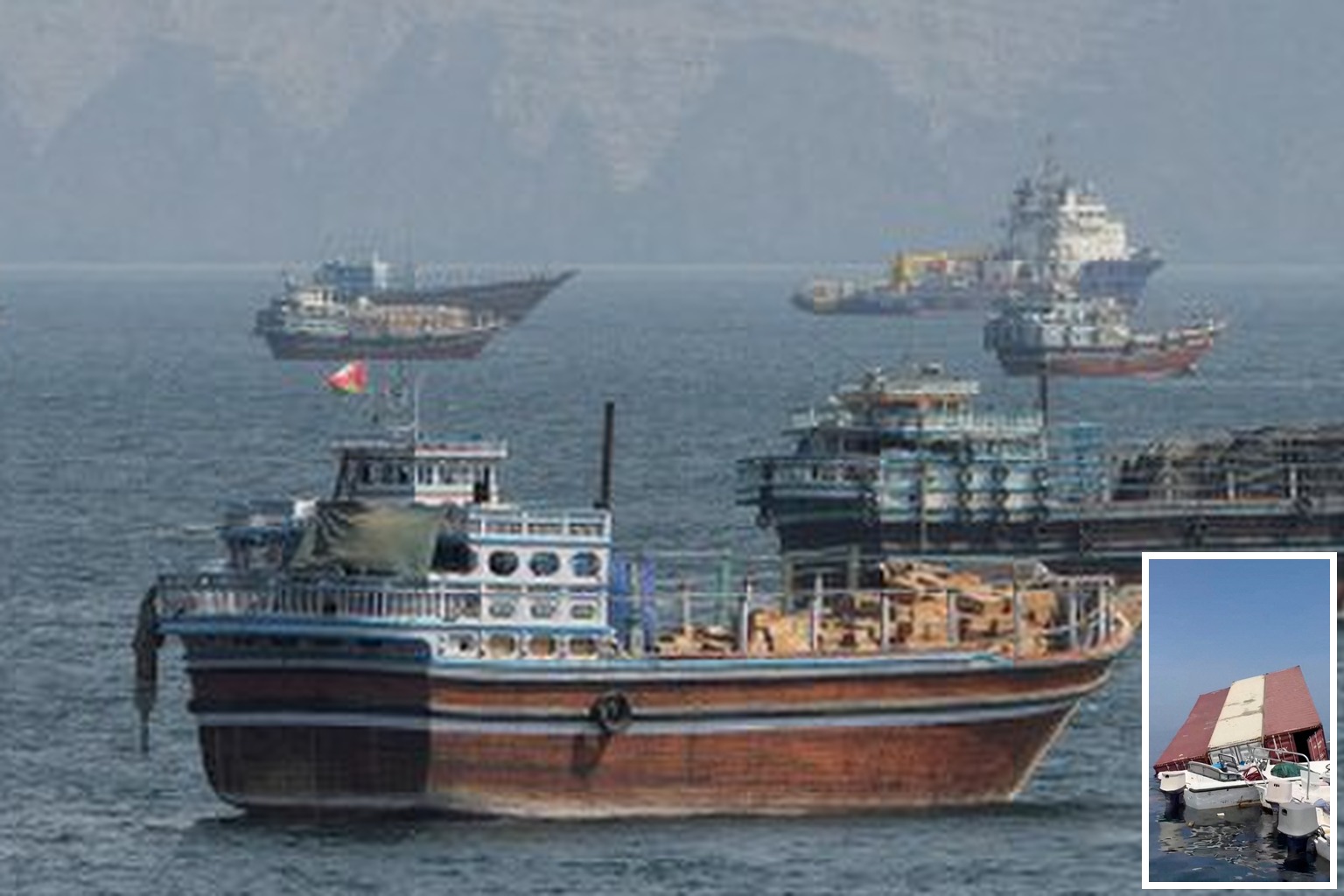
A supertanker carrying more than 2 million barrels of oil exploded Friday after striking a naval mine in the Strait of Hormuz, according to Iran’s Revolutionary Guard.
The IRGC claimed the massive vessel burst into flames while using what it called an “unauthorized” route through the critical waterway. Two additional fuel ships also struck mines the same day, the guard’s navy said, bringing the total to three tankers hit in a single day.
The Iranian military accused the two other vessels of compounding their violations. They had switched off their navigation signals and ignored repeated radio warnings before hitting the mines, the IRGC navy stated.
Iran did not name any of the three ships or identify their countries of origin. The fate of their crews remained unreported, and Tehran offered no indication of who had laid the mines in the strait.
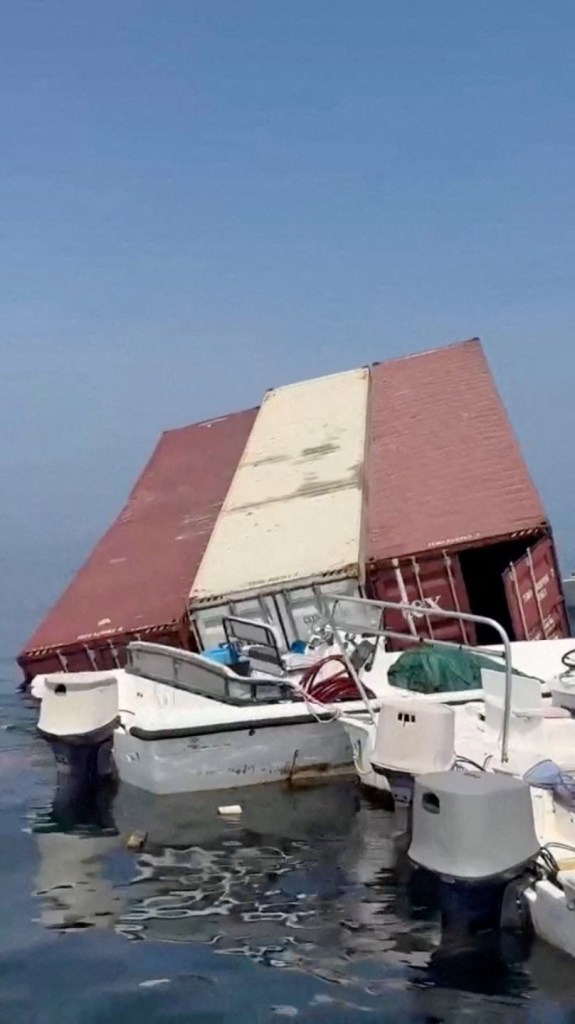
The claims could not be independently verified. The United States countered that it has cleared all internationally recognized, primary transit routes in the strait of mines.
The alleged tanker incidents coincided with a separate military development nearby. Saudi Arabia announced it had shot down a drone near Mecca that had been launched by Yemen’s Iran-backed Houthi rebels. The Houthis denied targeting Islam’s holiest site.
Oil prices surged Friday to their highest levels since late April on the back of the regional tensions.
“Continued kinetic action around the Strait of Hormuz amidst doubts of a viable diplomatic pathway is keeping oil prices elevated in expectation of an escalation of the conflict in coming weeks,” Saul Kavonic, head of energy research at MST Marquee, said.
Analysts at Saxo Bank warned in a Singapore briefing that prices could grow more volatile in the coming weeks, with Israel’s recent elections and the US midterm elections on November 3 adding uncertainty. The bank projected crude would trade in a higher range of $70 to $90 per barrel even after the conflict ends, up from a pre-war band of $60 to $70.
The Strait of Hormuz handles roughly one-fifth of global oil shipments, making any threat to passage through the narrow channel a flashpoint for energy markets and international security.
The reported mine strikes mark the latest in a series of incidents that have raised tensions in the waterway, through which much of the world’s petroleum must pass.