

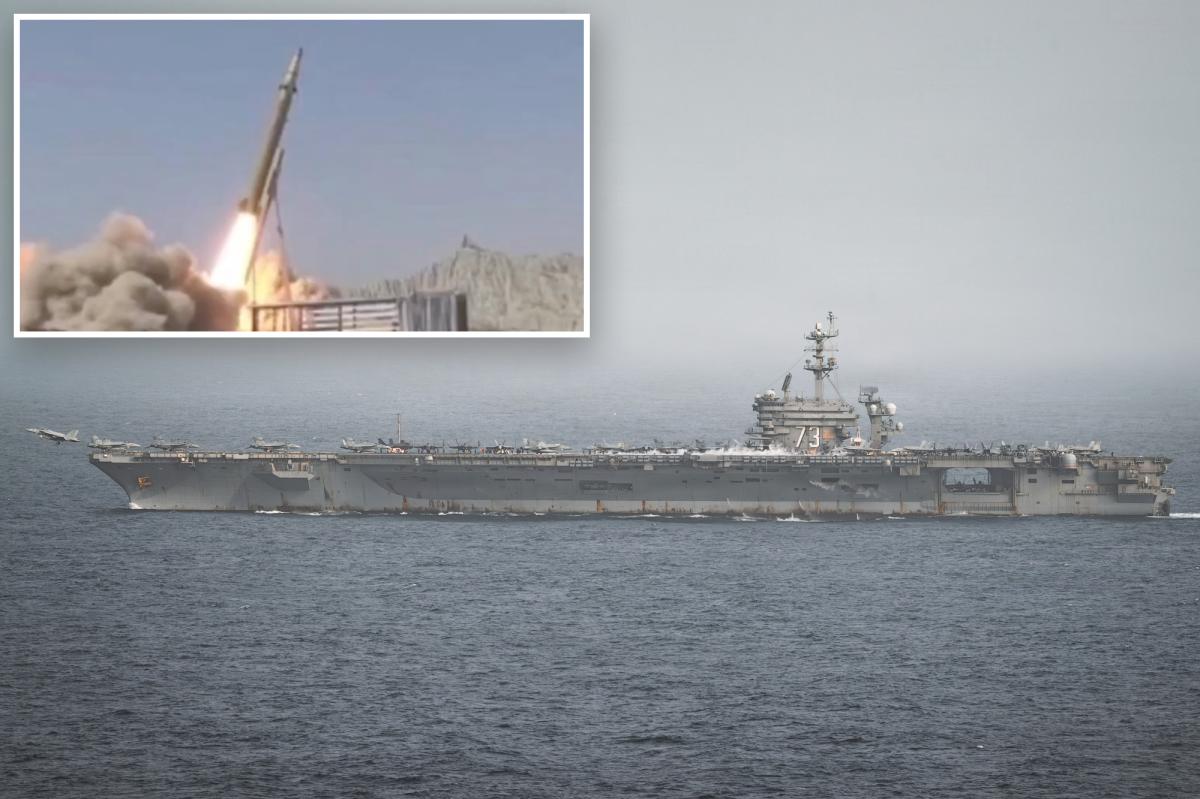
Iran fired ballistic missiles at American warships three times this week in a sharp escalation of its targeting of U.S. Navy vessels.
The latest attack came Wednesday, when Tehran launched medium-range ballistic missiles at 10 U.S. Ships operating near the Strait of Hormuz, according to U.S. Central Command. The missiles carried advanced maneuvering technology capable of adjusting mid-flight, similar to electro-optical seekers Iran began testing last year. U.S. Officials now fear Tehran’s accuracy has improved dramatically since the conflict began.
“Iran is escalating because they don’t see other options,” Marc Sievers, a former U.S. Ambassador to Oman, told The Wall Street Journal. “They’re under tremendous pressure from the blockade and the new sanctions.”
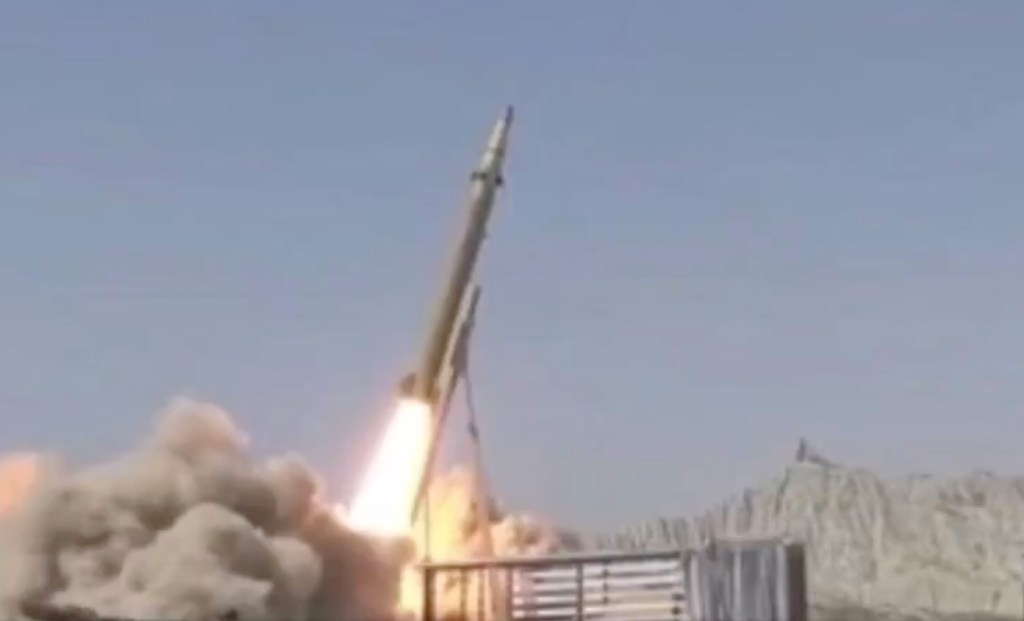
The strikes forced American forces to burn through more of their shrinking stock of million-dollar interceptors to destroy Iranian missiles costing a fraction of that price. While CENTCOM said the volleys failed to hit their targets, the closer calls mark a dangerous shift from Iran’s earlier pattern of attacking U.S. And allied bases across the Middle East. For most of the war, Tehran had avoided direct strikes on the Navy ships enforcing the blockade that is strangling its economy.
The renewed barrages suggest Iran has rebuilt at least some of the missile systems destroyed by initial U.S. Strikes at the war’s outset. A mass attack on a military base in Jordan this week reinforced that assessment. Analysts believe Tehran is now trying to maximize American costs ahead of November’s midterm elections.
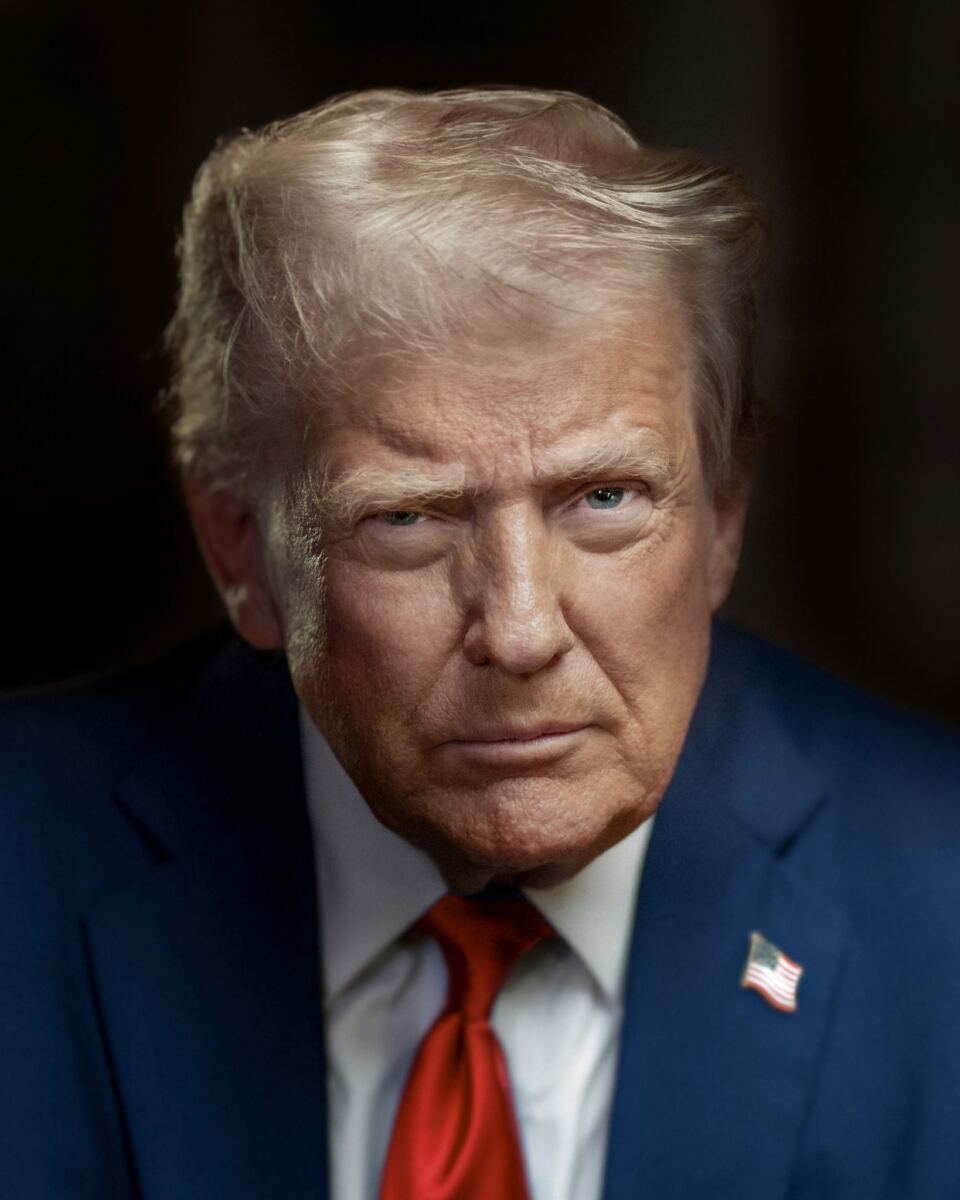
President Trump, 79, told NewsNation’s International Correspondent Robert Sherman on Thursday that the regime’s resistance may soon crack.
“I don’t know that they’re gonna be able to hold out. But it’ll get settled after the elections,” he said. “Or maybe sooner. But it’ll get settled right after the election.”
Trump also renewed his warning that continued retaliation would bring catastrophic consequences for Iran. The president has previously stated that Tehran would be “totally wiped out as a country” if it kept attacking U.S. Forces.
The strikes coincided with a Houthi attack on Saudi oil facilities that helped push crude prices above $105 per barrel Thursday, the highest level since May. The Iran-backed rebels have increasingly coordinated their operations with Tehran’s direct military actions.
U.S. Intelligence sources told the Journal that Iran’s rapid missile advances have raised suspicions of assistance from Russia or China in developing the weapons. The maneuverable warheads represent a significant leap from earlier Iranian capabilities.
The timing of the naval attacks also tracks with America’s rollout of “Operation Economic Outcast,” a sweeping sanctions regime designed to further isolate Iran financially and deepen the pain of the existing blockade. The operation has cut Tehran off from key financial supporters while its economy crumbles.
The flurry of strikes this week included multiple close-call incidents with an aircraft carrier, marking the most intense direct targeting of U.S. Warships since the war began. Military planners had previously regarded Navy vessels as relatively secure from Iran’s missile arsenal due to the country’s limited precision.
Wednesday’s barrage at 10 ships simultaneously represented a substantial increase in scale from earlier attempts. The coordinated nature of the attack tested American defensive systems across a wider operational area than before.
Oil markets reacted immediately to the heightened danger in the Strait of Hormuz, through which roughly one-fifth of global petroleum shipments pass. The price spike reflected trader anxiety that sustained attacks could eventually disrupt traffic through the critical chokepoint.
Trump is scheduled to hold further discussions on Iran policy at the White House next week.