

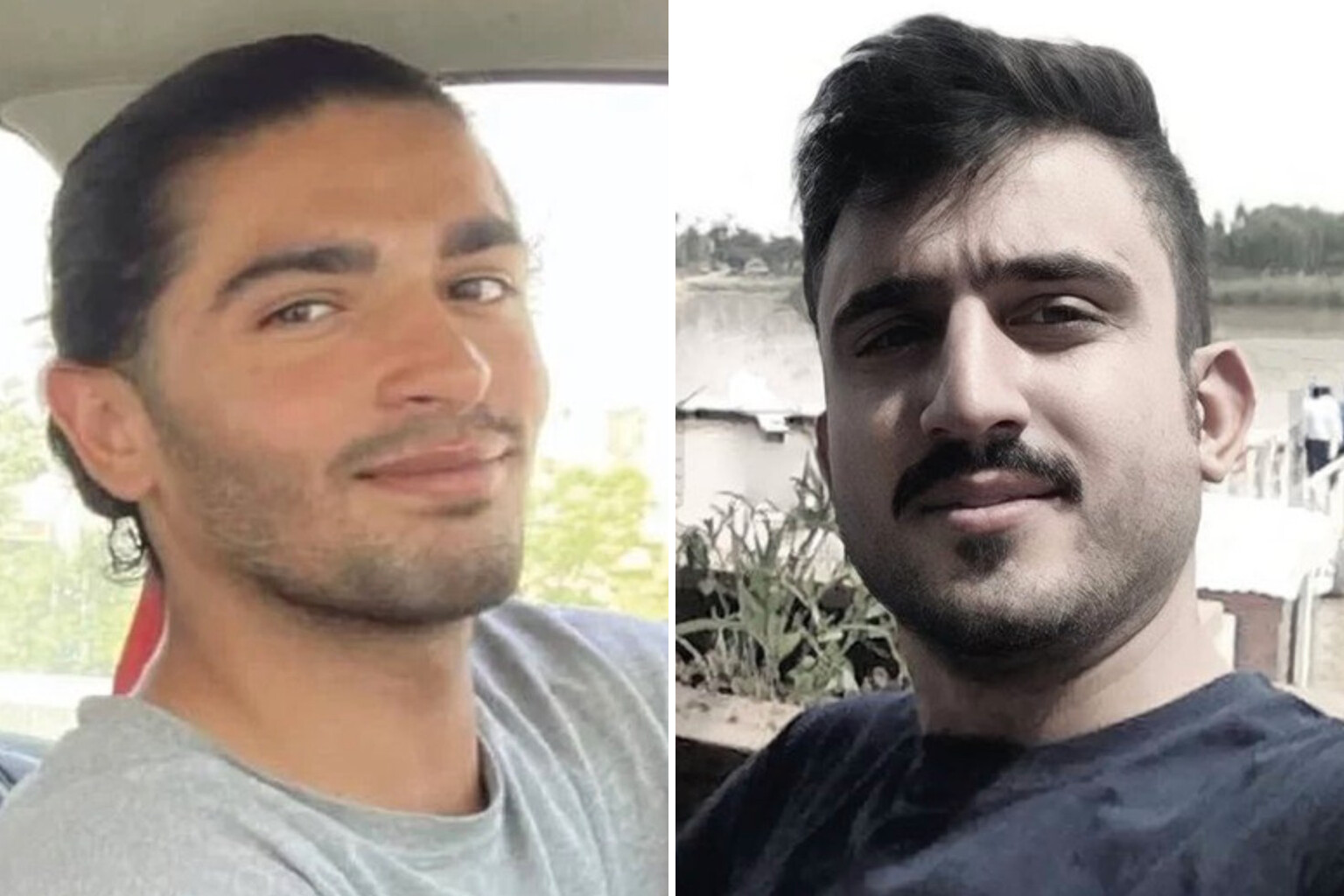
Two Iranian protesters face execution at dawn after three days in pre-execution holding cells outside Tehran.
Milad Armoun, 27, and Navid Najaran, 34, were moved to solitary confinement at Ghezel Hesar Prison on Nov. 21, according to Iran Human Rights (IHRNGO). Iran’s Supreme Court had upheld their death sentences before the transfer.
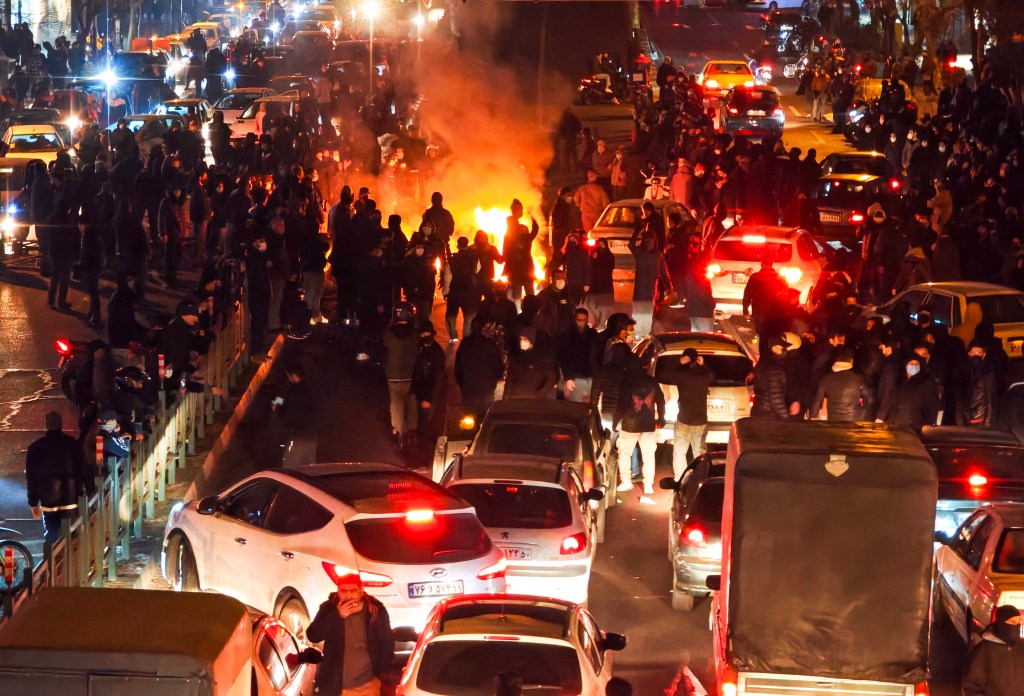
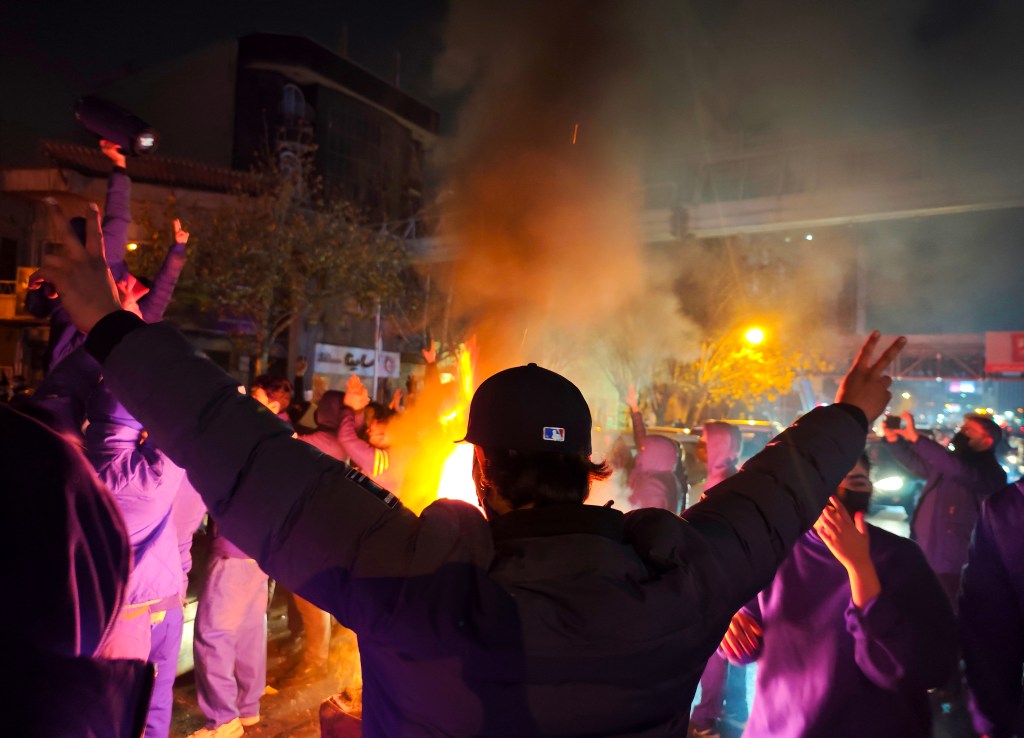
Both men were arrested during Iran’s 2022 “Woman, Life, Freedom” uprising and are defendants in the high-profile “Ekbatan case,” which stems from the killing of a member of Iran’s Basij paramilitary force during nationwide anti-government demonstrations. Armoun was arrested in Tehran in November 2022, while Najaran was detained the following month in Ahvaz.
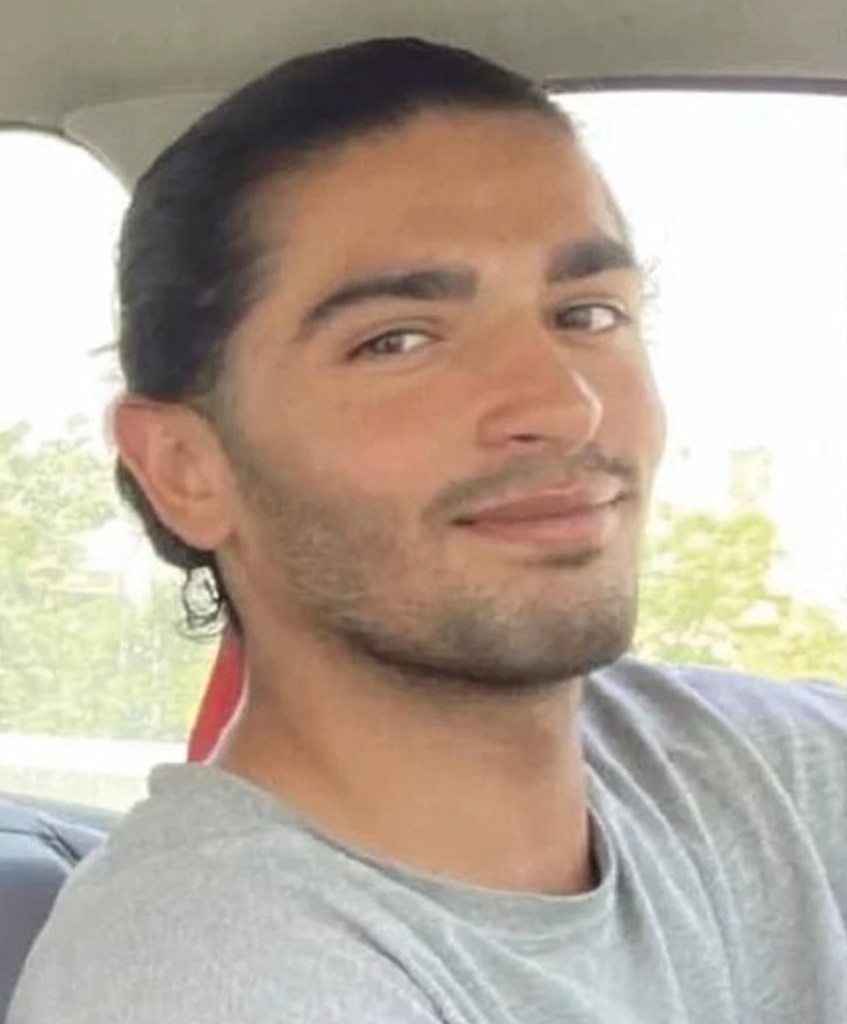
The men were sentenced to death in May by Branch 15 of Tehran’s Revolutionary Court, presided over by Judge Abolqasem Salavati, on charges of efsad-fil-arz, or “corruption on earth,” a capital offense under Iranian law. Salavati has faced longstanding criticism from human rights organizations over his handling of political cases and the harsh sentences imposed on government opponents.
Earlier death sentences tied to murder charges were overturned, and Najaran was acquitted of involvement in the killing in a separate proceeding. However, the Revolutionary Court subsequently imposed death sentences under Iran’s national security laws.
“Despite being acquitted of the murder charge, Milad Armon and Navid Najjaran have been sentenced to death by ‘hanging judge’ Abolqasem Salavati,” exiled Iranian crown prince Reza Pahlavi wrote on X on Tuesday.
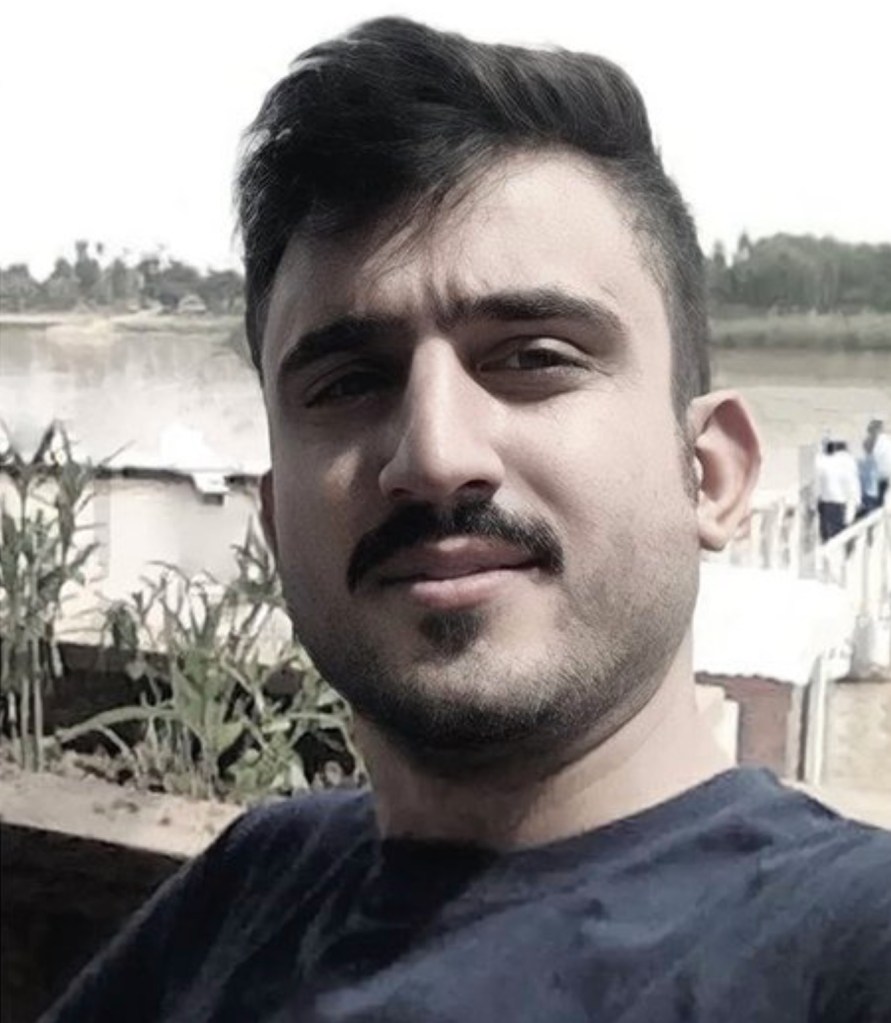
“The execution orders for these two political prisoners have been sent to their lawyers, to be carried out at dawn on Wednesday, Azar 4.”
“Milad and Navid were held in Ward 33 which houses those accused of murder before being transferred to solitary confinement in preparation for their executions today,” a source told IHRNGO.
Iran Human Rights alleged that both men were tortured and subjected to ill-treatment to obtain self-incriminating confessions subsequently broadcast by Iranian state media. Defense attorneys also accused judicial authorities of barring lawyers from hearings, withholding case documents and obstructing appeals.
Mahmood Amiry-Moghaddam, director of Iran Human Rights, condemned the sentences and called for immediate international intervention.
“Milad Armoun and Navid Najaran were sentenced to death following torture, forced confessions and grossly unfair trials. Their executions would be an irreversible injustice and another example of the Islamic Republic’s use of the death penalty as a tool of political repression,” Amiry-Moghaddam said in a statement.
“Strong international reactions may be the only way to save their lives. We urge the UN and all governments with diplomatic relations with the Islamic Republic to intervene immediately to stop their executions,” he added.
The death sentences of two other defendants, Mehdi Imani and Seyed Mohammad Mehdi Hosseini, were overturned, and their cases referred for retrial, according to human rights organizations.
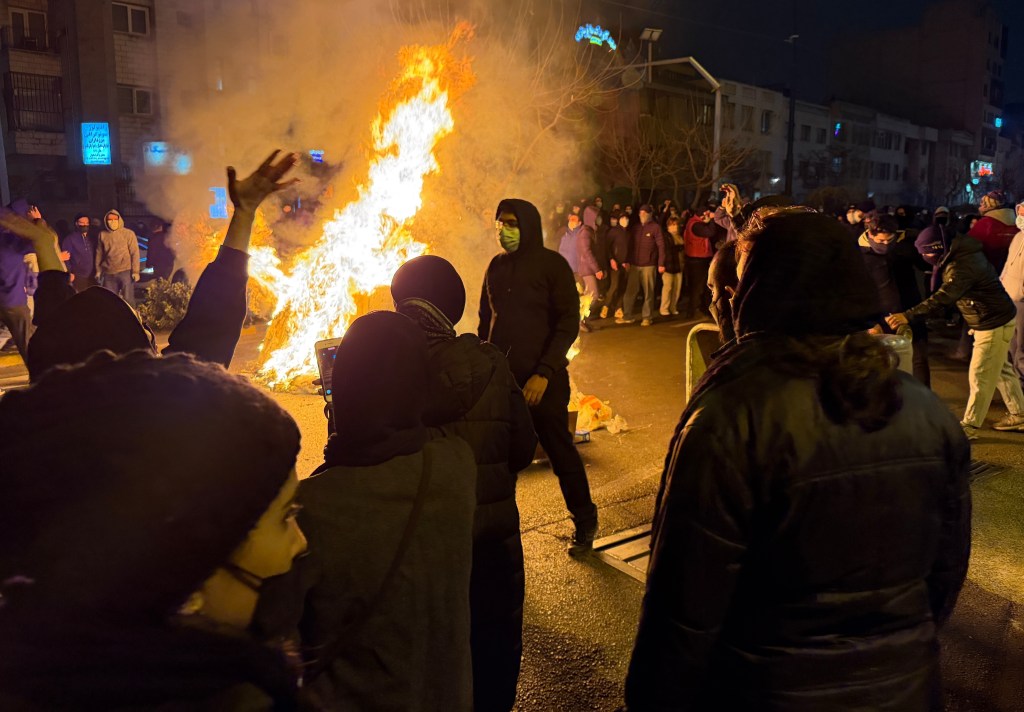
The “Woman, Life, Freedom” movement erupted in 2022 following the death of Mahsa Amini, a 22-year-old Kurdish Iranian woman detained by morality police over allegations that she improperly wore her hijab. The demonstrations spread nationwide, becoming one of the most significant challenges to Iran’s clerical leadership in decades. The Ekbatan case centers on the death of Arman Aliverdi, a member of the Basij, a volunteer paramilitary force affiliated with Iran’s Islamic Revolutionary Guard Corps, who was injured during unrest in Tehran’s Ekbatan neighborhood in 2022 and died two days later.

Iran Human Rights warned that Armoun and Najaran’s executions would be carried out in the early hours of Wednesday, Nov. 25.