

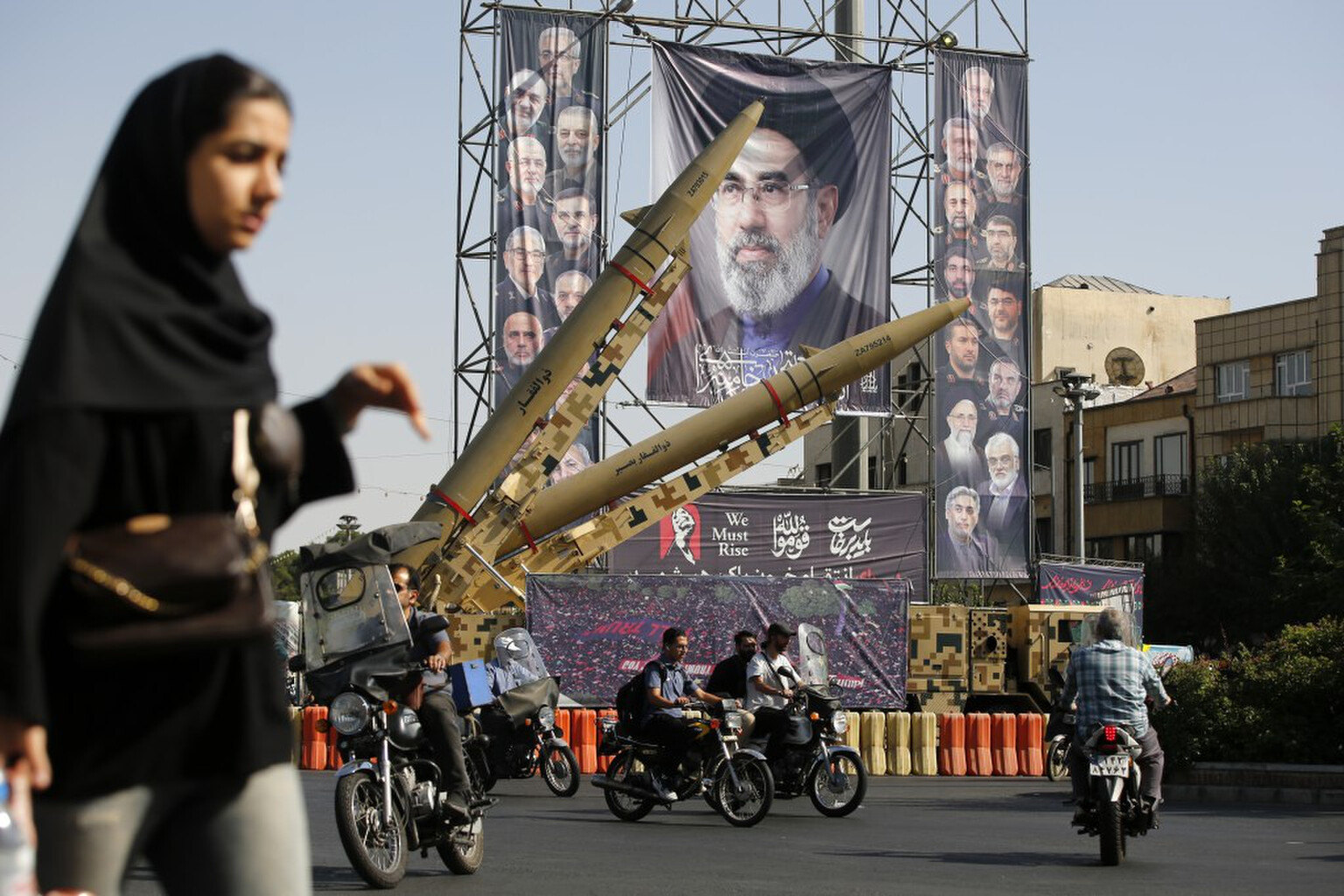
Iranian hardliners are openly demanding nuclear weapons for the first time in two decades, abandoning the official fiction that the country’s atomic program serves only civilian energy needs.
The shift follows the death of former Supreme Leader Ayatollah Ali Khamenei, who in 2005 issued a religious edict against developing atomic weapons, and the seven-month war with the United States and Israel that has reshaped Tehran’s political calculus. His successor, Mojtaba Khamenei, has remained out of public sight and has not indicated whether he will uphold his father’s prohibition.
Davoud Modarresian, an activist with close ties to hardline forces, captured the new mood in a social media post earlier this month. “The latest military confrontations showed that achieving nuclear weapons for Iran is not an ambition, but a necessity more important than bread,” he wrote.
Hassan Ghashghavi, a hardline member of parliament who serves as spokesperson for the legislature’s National Security Committee, has framed the bomb as essential deterrence. He claimed that Iran needed a powerful tool to ensure no country could openly wage conventional war against the regime again, according to an interview with the Financial Times.
Another regime insider, speaking to the same outlet, made the comparison explicit: Iran needs to emulate North Korea’s nuclear-armed status to end foreign interference. This official noted that internal support for developing the bomb had surged “from almost zero to more than 50%” since the war began.
The hardliners have seized on President Trump’s own rhetoric to bolster their case, pointing to his threats about destroying Iran as proof that the United States poses an existential threat requiring the ultimate response. Some have explicitly used those presidential warnings to fuel domestic demand for the bomb.
Ali Vaez, an Iran expert at the International Crisis Group, traced the political momentum to battlefield experience. “The war has strengthened those who argue that a country exposed to existential attack ultimately needs the ultimate deterrent,” he told the Financial Times.
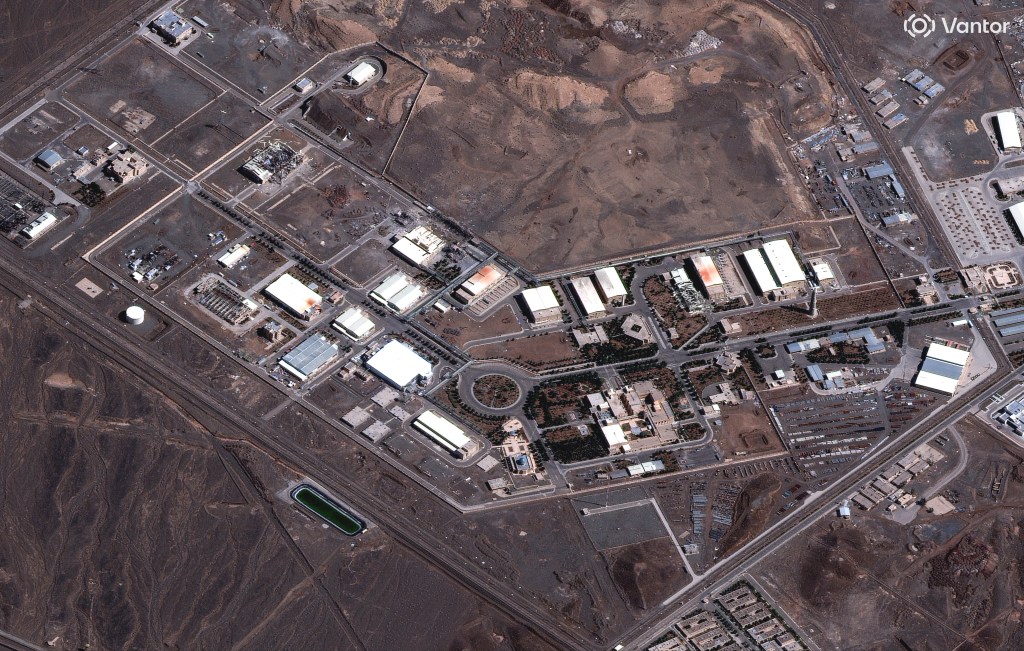
The current state of Iran’s nuclear infrastructure remains difficult to assess. The country expelled United Nations watchdog monitors at the war’s outset, just as American and Israeli strikes targeted its atomic facilities. US officials have repeatedly stated that more than 900 pounds of Iran’s highly enriched uranium was destroyed and buried under rubble during those bombardments.
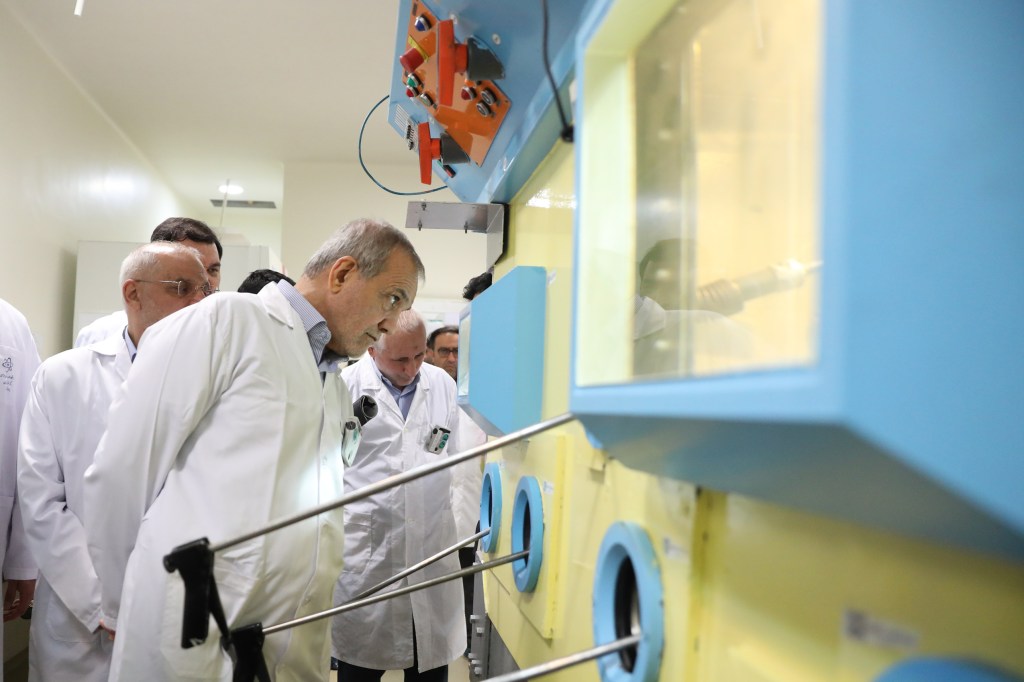
For years, Iranian officials maintained that all uranium enrichment served domestic nuclear energy development alone, a position that nuclear watchdog groups, American intelligence assessments, and Israeli leaders consistently doubted. The new public candor from hardliners marks a sharp break from that long-standing diplomatic evasion.
Should Mojtaba Khamenei endorse weaponization, Ghashghavi has argued, Iran’s leadership structure would leave subordinate officials no choice but to follow. The younger Khamenei’s silence has left that possibility hanging over regional security calculations.
Calls for Iran to formally withdraw from the international Non-Proliferation Treaty and pursue a full sprint to atomic weaponry have multiplied across the country’s political class, with lawmakers, analysts, and regime-aligned commentators joining the chorus.