

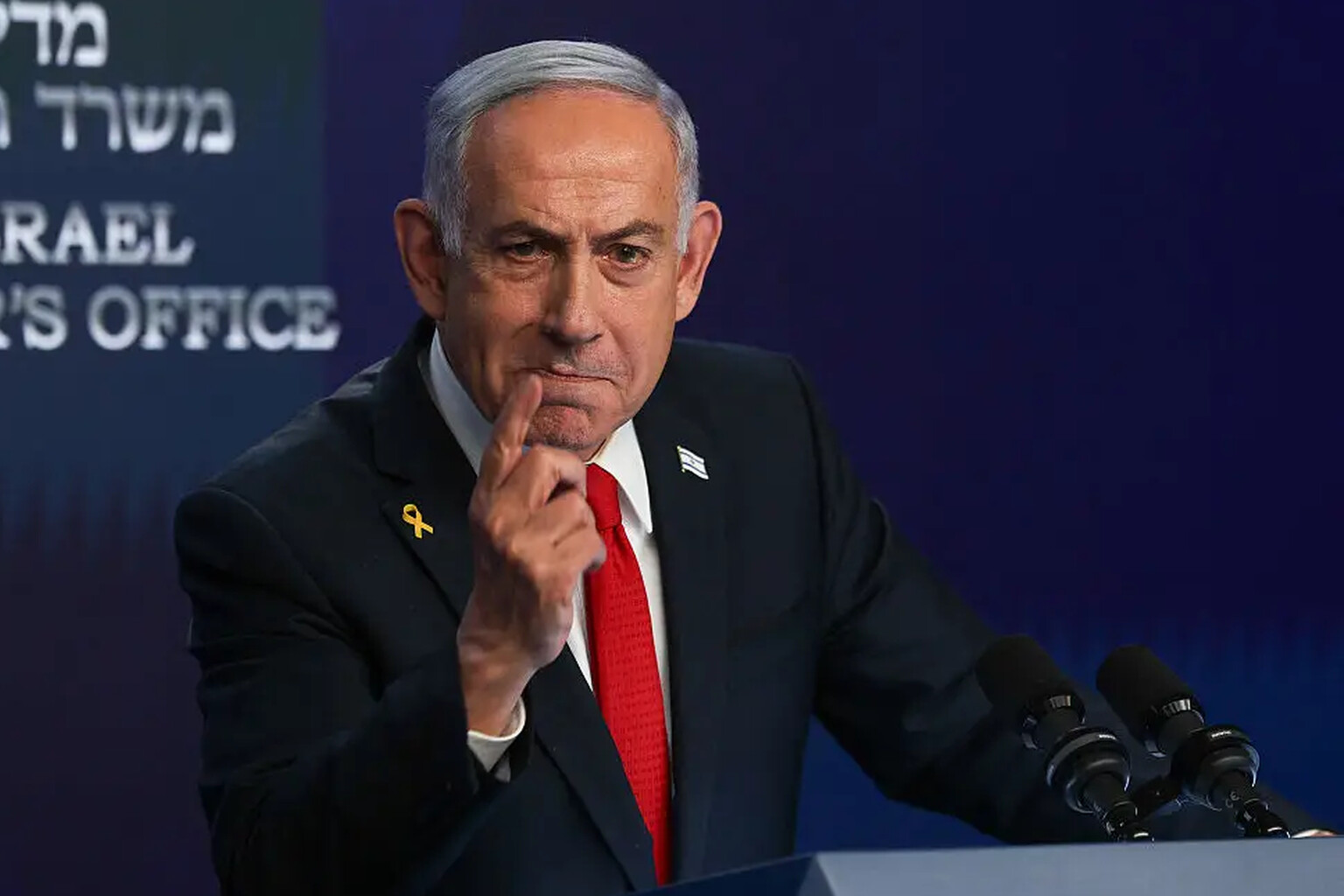
Benjamin Netanyahu issued a stark warning to Israeli voters in a social media post on Sunday.
Netanyahu, 77, shared an AI-generated image of a nuclear bomb striking Tel Aviv alongside a lengthy statement just two days before Israelis head to the polls on October 27. The prime minister, who faces a tight race against opposition leader Gadi Eisenkot, framed the election as a matter of national survival.
“This is the window of time we have left to complete the necessary work to ensure our physical existence for the coming years,” he wrote. “All the required resources of the state must be invested in this mission.”
Netanyahu quoted political commentator Yuval Bloomberg in his post, writing: “Future generations will not forgive us if we miss the historic window of opportunity that allows us to try and complete the most critical mission facing our generation.”
The Likud leader pressed the threat further with a direct question to his audience. “If two atomic bombs were to fall on central Israel, who would care about all these meaningless controversies?” he shared.
He tied his warnings to Iran’s nuclear program, stating that if the country “acquires nuclear weapons, nothing will ever be the same again,” Netanyahu added: “This touches on the physical existence of every single person here.”
His message took a sharper political turn as he attacked potential coalition partners his opponents might rely upon. “This won’t happen with a prime minister who is held by the throat by the Muslim Brotherhood and terror enablers,” he wrote. He continued: “This won’t happen with a prime minister who can’t pick up the phone and have a continuous, intimate conversation with Trump.”
Netanyahu concluded with an appeal rooted in historical trauma. “Anyone who cares about their own physical existence, that of their family, and their loved ones should have a trembling hand before voting for someone who won’t be able to complete the mission, thereby condemning themselves and their family to the danger of a second Holocaust, because of their political hatred or some foolish, insignificant blood libel storm.”
Eisenkot, the former IDF chief of staff who leads the centrist Yashar party, has emerged as Netanyahu’s most formidable challenger. He founded the party in September 2025 and has criticized Netanyahu’s conduct of the war. Recent polling shows Yashar slightly ahead of Likud, though neither party is expected to secure a clear parliamentary majority.
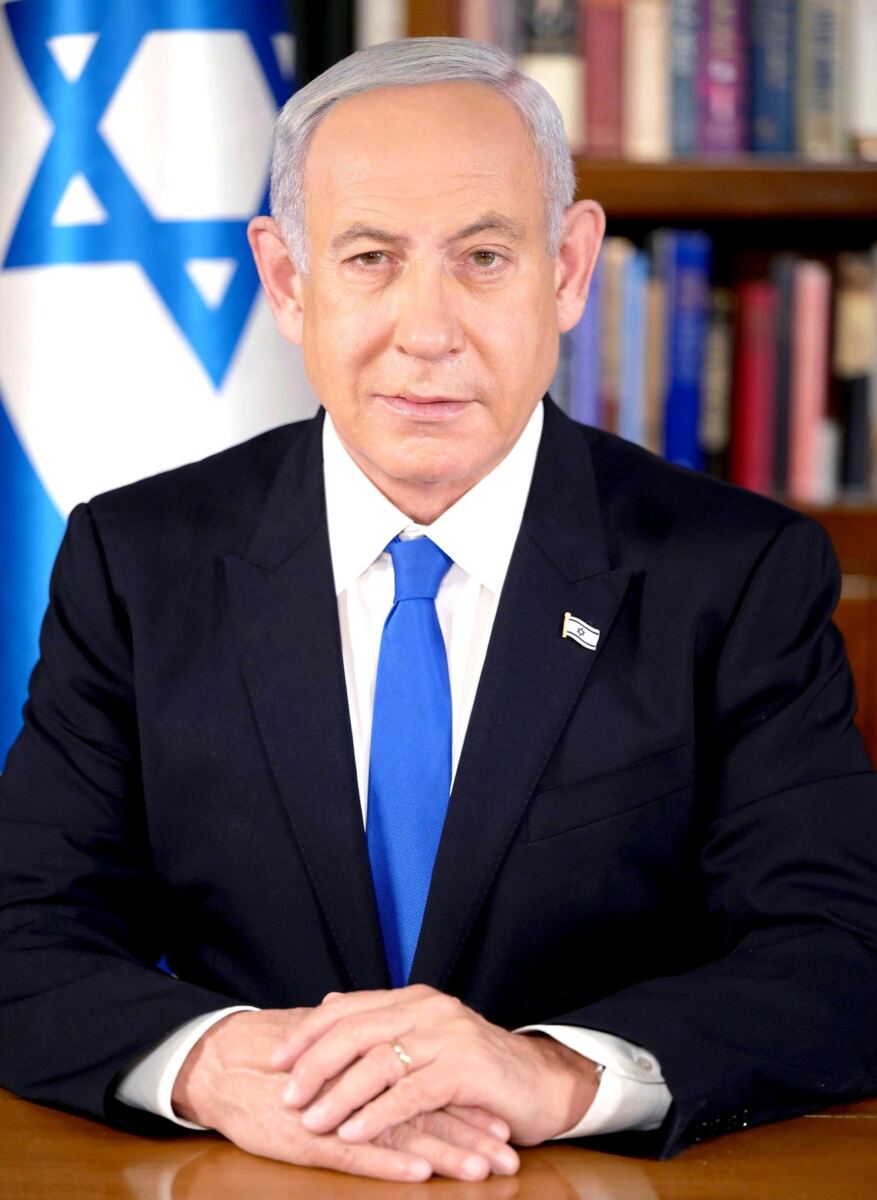
Eisenkot fired back at Netanyahu’s rhetoric, accusing the prime minister of hysteria, according to reports of their escalating clash. The confrontation between the two extends beyond campaign messaging, as Netanyahu and current Israeli Army Chief Eyal Zamir have also clashed over Iran strike plans in recent days.
The October 27 election field includes several other prominent figures: former prime ministers Naftali Bennett and Yair Lapid, former defense minister Avigdor Lieberman, and former military chief Yair Golan, who leads the left-wing Democrats party.