

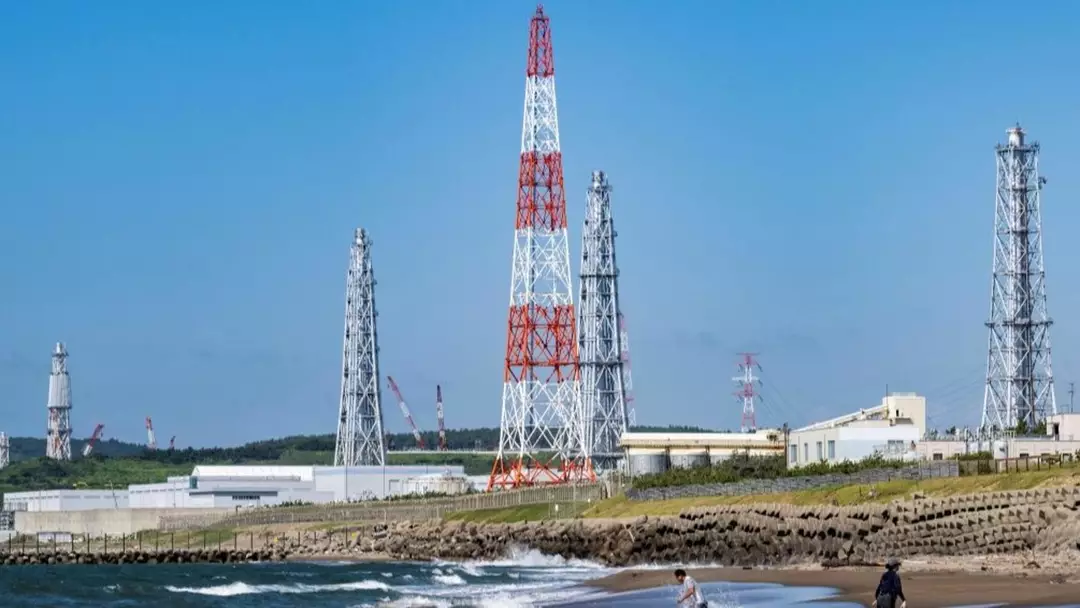
Japan has given the green light to restart the world’s largest nuclear power plant after being shut down for over a decade due to the Fukushima disaster.
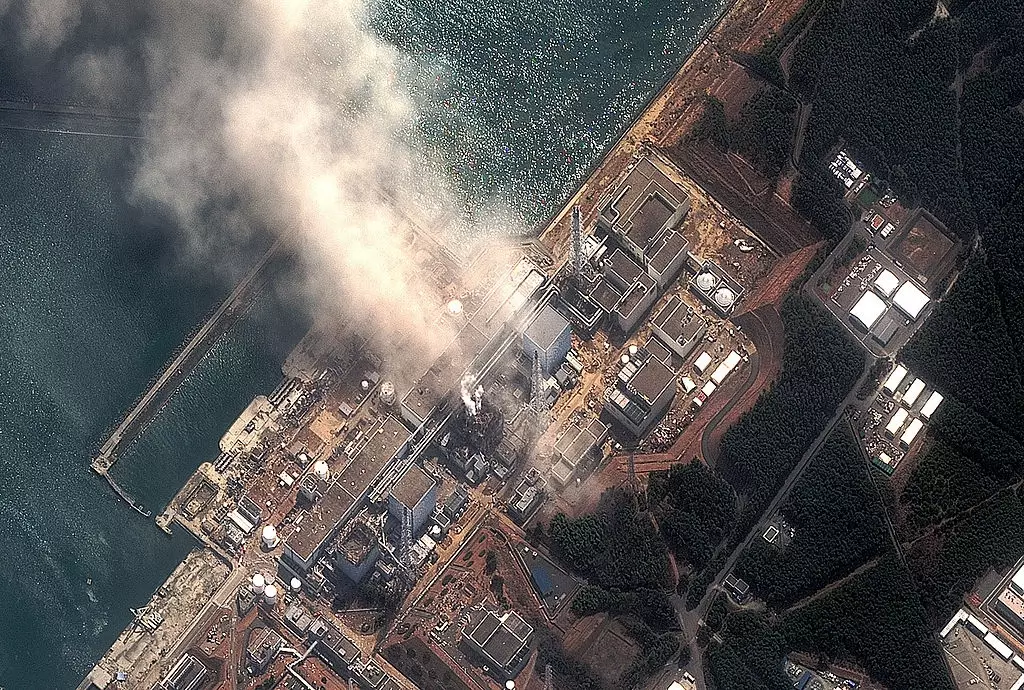
Located in Niigata prefecture, the Kashiwazaki-Kariwa nuclear plant was shut down in 2011 following a massive earthquake and tsunami that caused the Fukushima Daiichi Power Plant meltdown, the worst since Chernobyl. This disaster led to 2,313 additional deaths related to the evacuation from the prefecture.
Japan is situated along the Pacific Ring of Fire, a zone known for its volcanic and seismic activity, which increases the country’s vulnerability to natural calamities such as earthquakes and tsunamis.
In response to the Fukushima incident, authorities halted all nuclear operations to avert further disasters. However, on Monday, local legislators passed a bill authorizing Tokyo Electric Power Company (TEPCO) to resume operations at one of the reactors at the Kashiwazaki-Kariwa plant.
Per Japan’s public broadcaster NHK, Reactor No. 6 could be reactivated as soon as January 20.
Prior to the Fukushima disaster, nuclear energy accounted for approximately 30 percent of Japan’s electricity supply. In its aftermath, all 54 nuclear reactors were shut down, including those at Kashiwazaki-Kariwa. Since then, only 14 out of the 33 reactors deemed viable for reactivation have been restarted.
The shutdown compelled Japan to increase reliance on imported fossil fuels, with coal and gas now accounting for up to 70 percent of the electricity supply.
In the past year alone, fuel imports have cost Japan around 10.7 trillion yen ($68 billion).
The reopening of Kashiwazaki-Kariwa is significant as it will be the first nuclear plant to recommence operations under TEPCO, the company managing Fukushima at the time of the disaster.
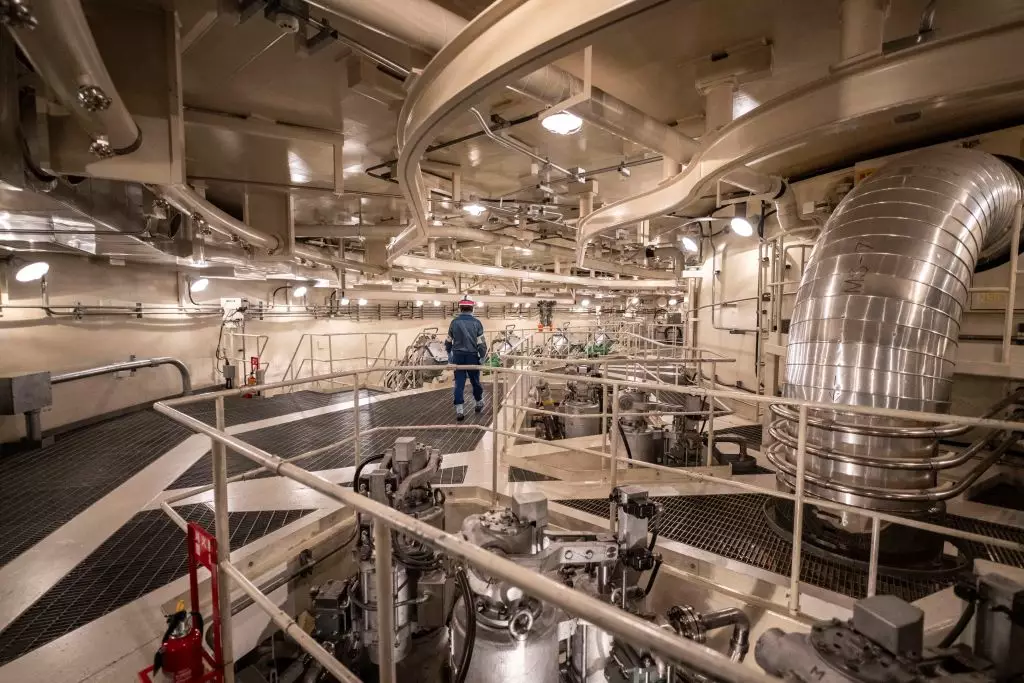
TEPCO has been active in assuring the community of the plant’s safety, emphasizing the lessons learned from previous failures.
“We remain firmly committed to never repeating such an accident,” a company representative stated.
The Japanese government supports the decision. Prime Minister Sanae Takaichi, who assumed office two months ago, is advocating for nuclear energy to reduce energy costs, combat inflation, and bolster the economy.
Additionally, there is a climate consideration. As the world’s fifth-largest carbon emitter, Japan aims to achieve net-zero emissions by 2050.
Nuclear energy is viewed as crucial to this objective, along with renewable sources like solar and wind energy.
With the rapid expansion of AI data centers requiring significant electricity, energy demand is expected to increase.
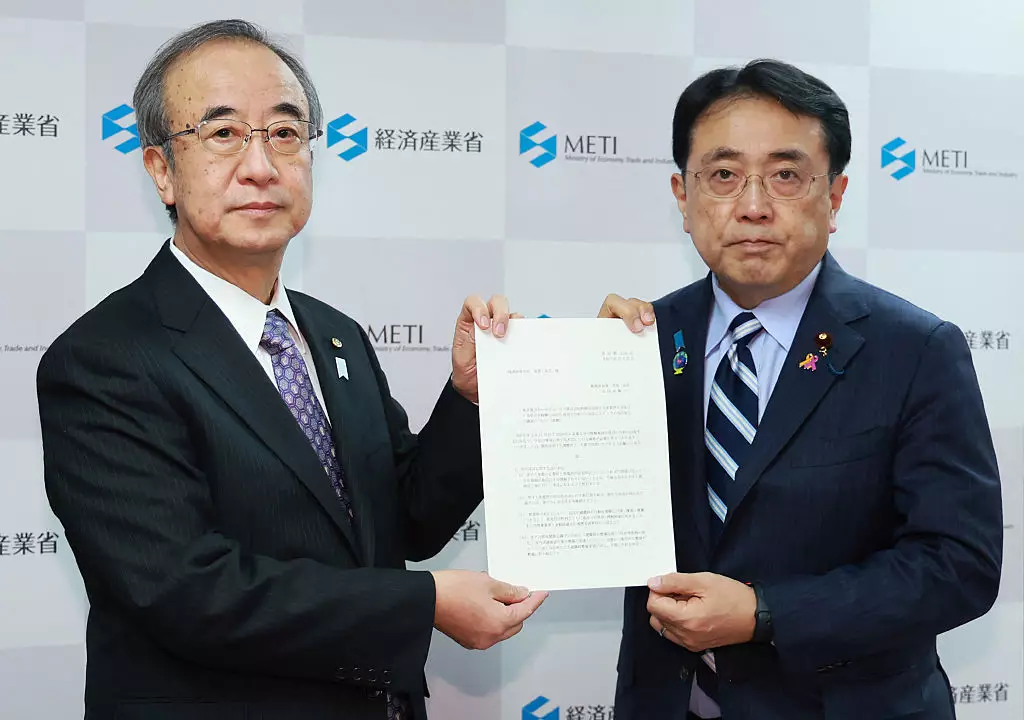
Japan plans for nuclear energy to comprise 20 percent of its energy mix by 2040, doubling its current contribution.
However, not all are convinced.
The Fukushima disaster’s memory lingers, especially in Niigata.
A local survey revealed that 60 percent of residents believe the conditions for restarting have not been met, and nearly 70 percent are concerned about TEPCO managing the plant.
TEPCO claims the plant has undergone significant improvements, including the addition of new tsunami seawalls, watertight doors, mobile generators, extra fire trucks, and enhanced filtering systems to minimize radioactive material spread.
In late October, the company announced the completion of a comprehensive safety check, declaring Reactor No. 6 primed for restart.
Whether these measures will quell public concerns remains uncertain.