

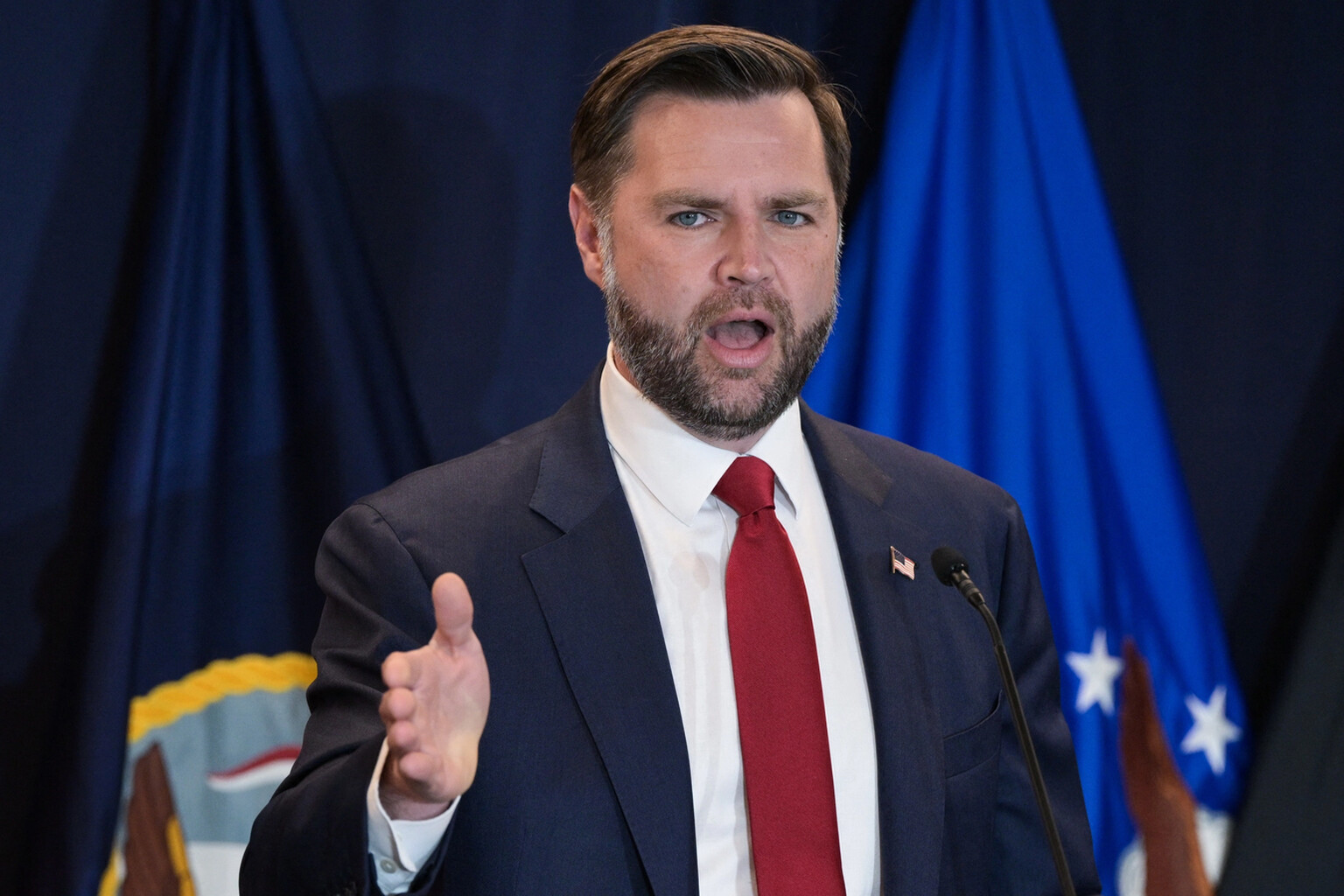
Vice President JD Vance scrapped a high-profile New York appearance to remain in Washington for emergency meetings about widespread US service disruptions.
Vance, 40, had been set to take the stage at the outlet DealBook Summit on Tuesday, but organizers received word roughly 20 to 30 minutes before the event began that he would not attend. Andrew Ross Sorkin, the summit’s host, broke the news to attendees as they settled in, noting that Secret Service personnel had been on-site all night preparing for the vice president’s arrival.
“He was called to stay back in Washington,” Sorkin told the audience. “As you know, Secret Service, because you lived through the lines, has been here all night, readying for his entrance here at Dealbook.”
Sorkin connected the last-minute cancellation directly to the cascading outages hitting American infrastructure. “All of this comes, of course, amid a series of outages from Microsoft, the NSA, the airline ground stop, JPMorgan, and Zelle,” he continued, “and I am told that he is needed in Washington to deal with a series of meetings that are taking place as we speak.”
The disruptions have touched public services across multiple sectors, including transportation, banking, communications and government systems. A nationwide ground stop of all flights in the United States was among the most visible incidents, halting air travel until operations could resume.
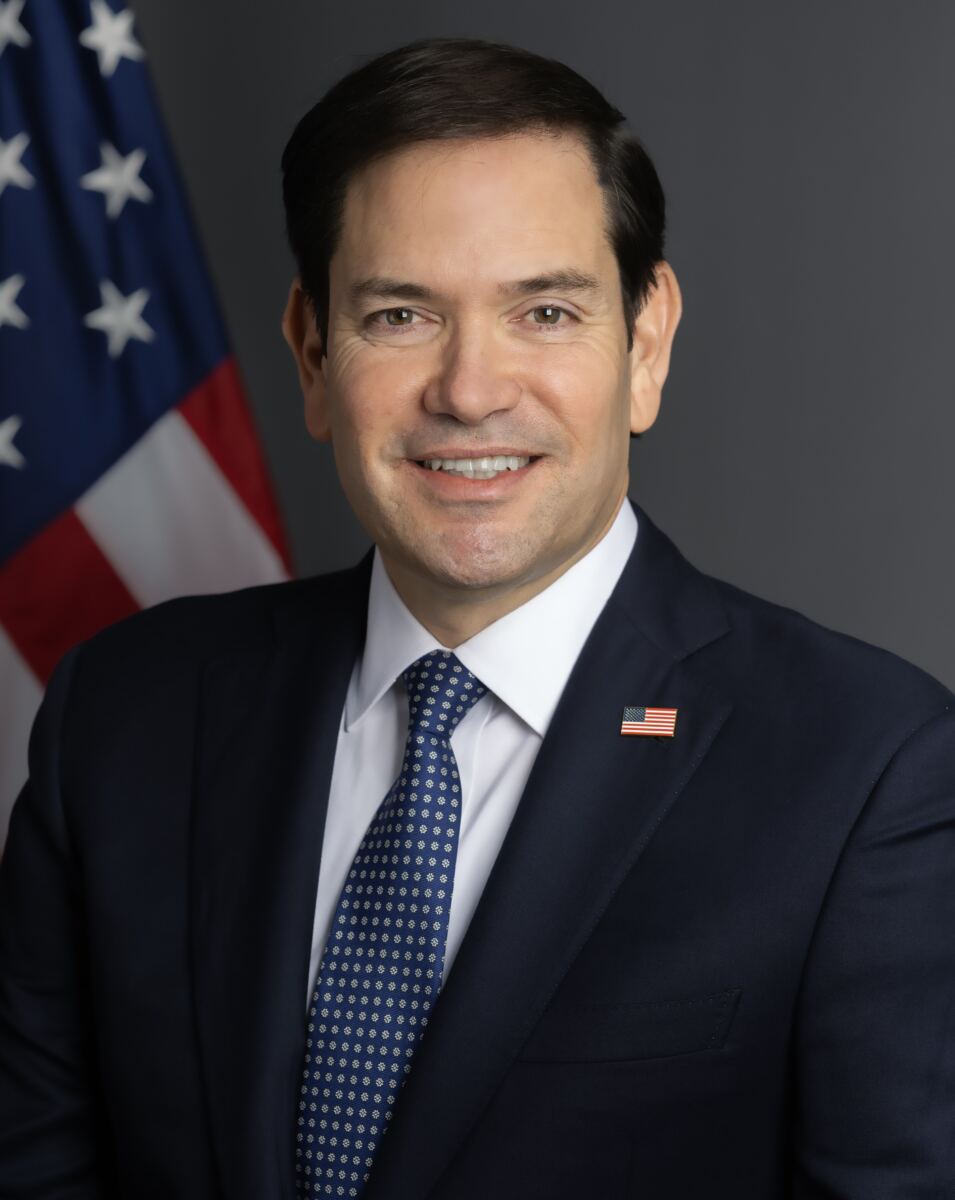
The Trump administration has faced mounting public anxiety even as it maintains the incidents lack a common cause. US Secretary of State Marco Rubio addressed those fears earlier Tuesday, conceding that “people are fearful” about the outages while pushing back against speculation of a coordinated campaign.
“These events, one has nothing to do with the other, they are not inter-related,” Rubio stated.
The administration’s position has not quelled broader concern. Online discourse has gravitated toward theories of a potential “doomsday blackout,” prompting questions about emergency preparedness and whether Americans should take protective measures such as stockpiling food and water.
Vance himself had sought to dampen alarm just a day earlier. On Monday, he told Americans that the administration did not foresee an imminent crisis, a message that now sits in tension with his own sudden withdrawal from public events to manage the federal response.
The vice president’s schedule change marks a notable escalation in the government’s posture. Where senior officials had previously projected calm, Vance’s physical return to Washington and participation in closed-door crisis talks signals that the disruptions have risen to the highest levels of the administration.
The DealBook Summit, an annual gathering of business and political figures, had promoted Vance’s participation as a marquee session. His absence left a visible gap in the programming and underscored how the outages have begun to reshape official Washington’s routines.
The specific nature of the meetings Vance joined remains undisclosed, as does any concrete timeline for resolving the affected systems. The Federal Aviation Administration has not issued additional guidance beyond lifting the flight ground stop, and private sector partners including Microsoft and JPMorgan have offered limited public detail about the technical failures behind their service interruptions.
The confluence of problems across unrelated platforms has fueled the very speculation administration officials are working to contain. Banking customers reported Zelle payment failures, government employees encountered NSA system issues, and corporate users faced Microsoft service degradation—all within a compressed window that has tested public confidence in infrastructure resilience.
Vance’s decision to prioritize Washington over New York suggests the White House now views the situation as demanding sustained senior-level attention, even absent confirmed evidence of a coordinated attack. Whether that assessment evolves further will likely depend on whether additional systems falter in coming days.
The vice president has not spoken publicly since returning to Washington.