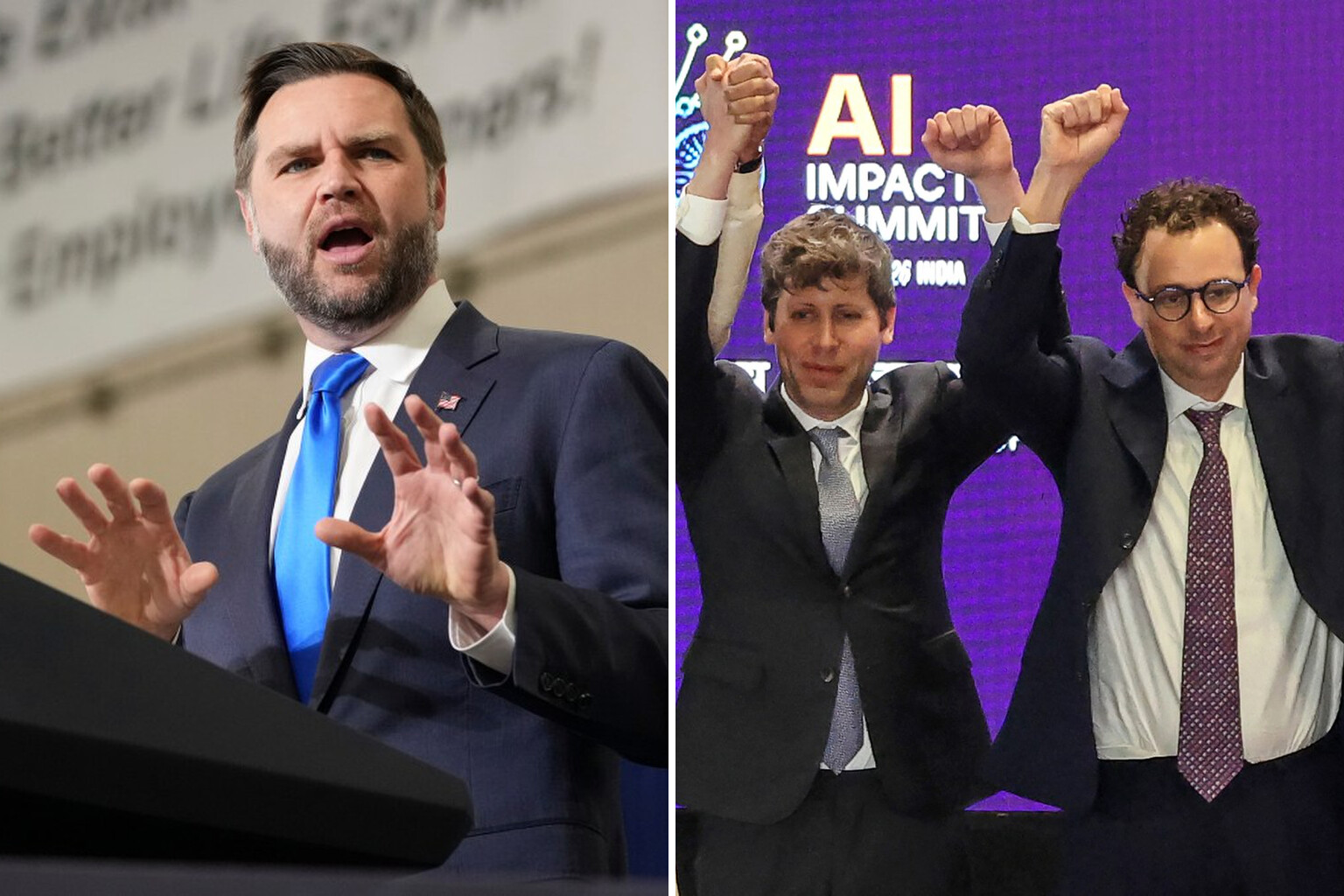
Vice President JD Vance said his phone might be listening to him.
The 40-year-old vice president, speaking Monday aboard Air Force Two in an exclusive interview with The Post, dismissed doomsday fears about artificial intelligence while warning that the technology poses a more immediate threat to Americans through eroding privacy and enabling corporate cartels. Vance framed his skepticism around practical concerns rather than science-fiction scenarios, drawing on both economic history and his own experiences with everyday surveillance.
“I mean, even just simple things, you don’t even [have to] get into the AI stuff, but like, you know, if you linger over a paragraph in your web browser or the s–t that you’re saying, you’re talking to your family like, you know, is your cell phone picking that up and using it to sell you digital advertising,” he said. Vance continued: “There are so many ways in which these technological tools have invaded human privacy, and I do think that we have to have a more straightforward conversation about how to balance those privacy concerns.”
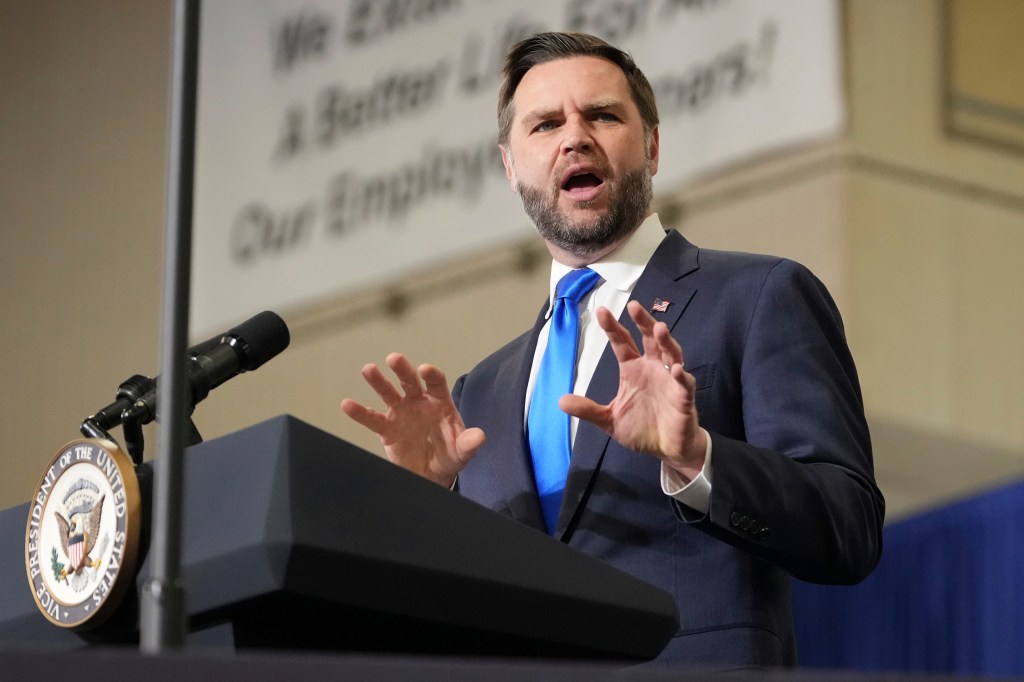
The Ohio Republican directly contrasted these privacy risks with what he considers overblown anxieties about existential threats. “The sort of constant slow incursion on privacy” was “a much bigger concern than the robots are going to take over and start killing people,” Vance said. He specifically rejected the “Terminator” franchise’s Skynet scenario, stating flatly: “I don’t see evidence of that.” He also waved away fears that “the robots are going to replace all human jobs.”
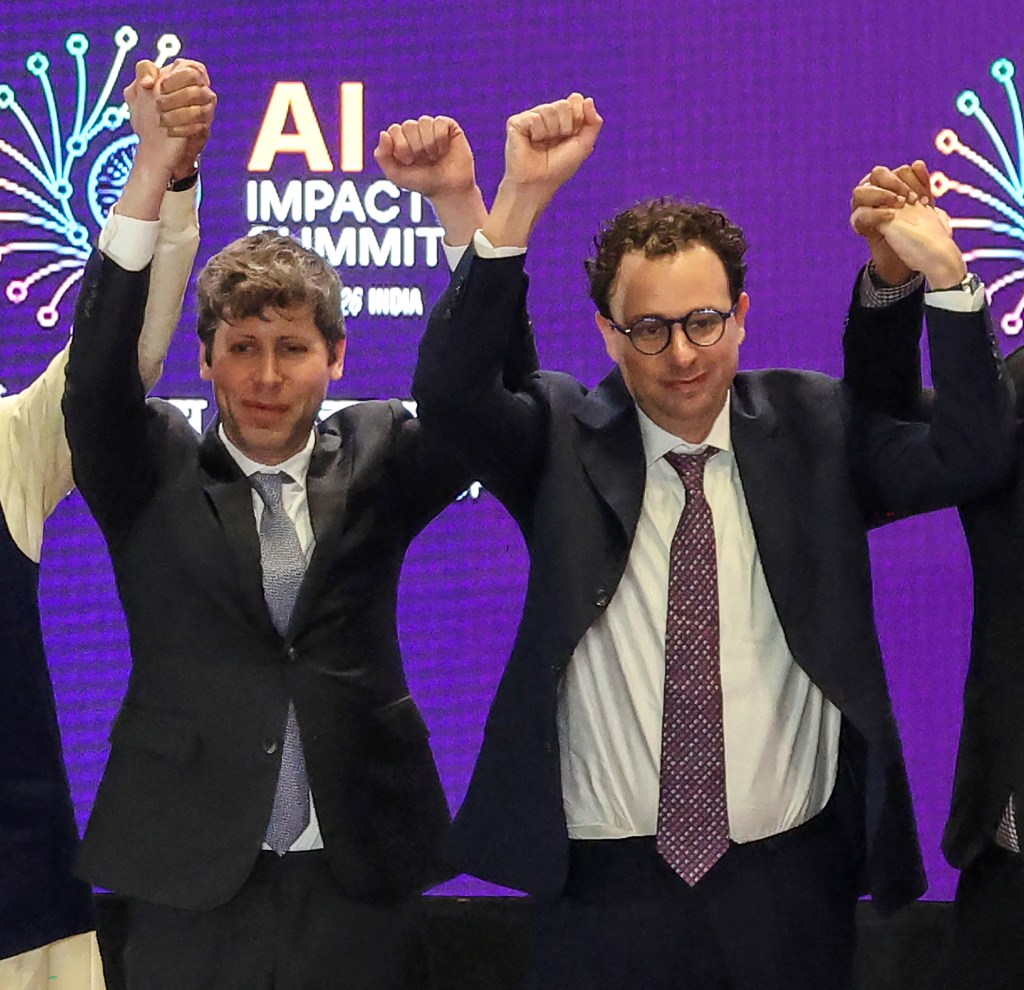
Vance’s comments arrive amid a flurry of calls for government intervention from prominent AI figures. Anthropic CEO Dario Amodei, OpenAI CEO Sam Altman, Google DeepMind head Demis Hassabis and Elon Musk have all pressed for greater oversight. Last week, a former staffer from one of those companies warned that advanced AI carries a greater than 10% risk of wiping out humanity by 2030 and should be reined in “as soon as possible.” Neither President Trump nor other White House officials have echoed those demands.
The vice president treated such regulatory appeals with deep suspicion. “I’m just extremely skeptical of companies coming to the federal government and saying regulate us,” he said. “The devil’s really in the details there.” Vance pressed further on what form that regulation might take: “The question is, regulate you in what way? In a way that shields you from antitrust laws? Because that sounds really terrible. In a way that, you know, sort of, creates cartel-like activity? That doesn’t sound like a great idea to me.”

Beyond privacy, Vance identified economic inequality as the other major risk from AI’s advance. He reached back to the Industrial Revolution to illustrate the danger, noting that period’s “massive increase in wealth disparity” helped fuel “the rise of fascism and communism in Europe.” He observed that “the last couple of technological revolutions of human history have massively distributed resources up,” concentrating gains among the wealthy rather than spreading them broadly.
Vance rooted his technological philosophy in his Catholic faith, articulating a human-centered vision of progress. “All technology should serve human beings as opposed to the other way around, and the purpose of technological development is to make human lives better,” he said. He acknowledged genuine benefits in sectors like health care while maintaining that these gains must be weighed against costs. “The story of technology and digital technology in the past 20 years is, I think, a story of really amazing tools that improve human lives combined with a massive invasion of privacy,” he said.
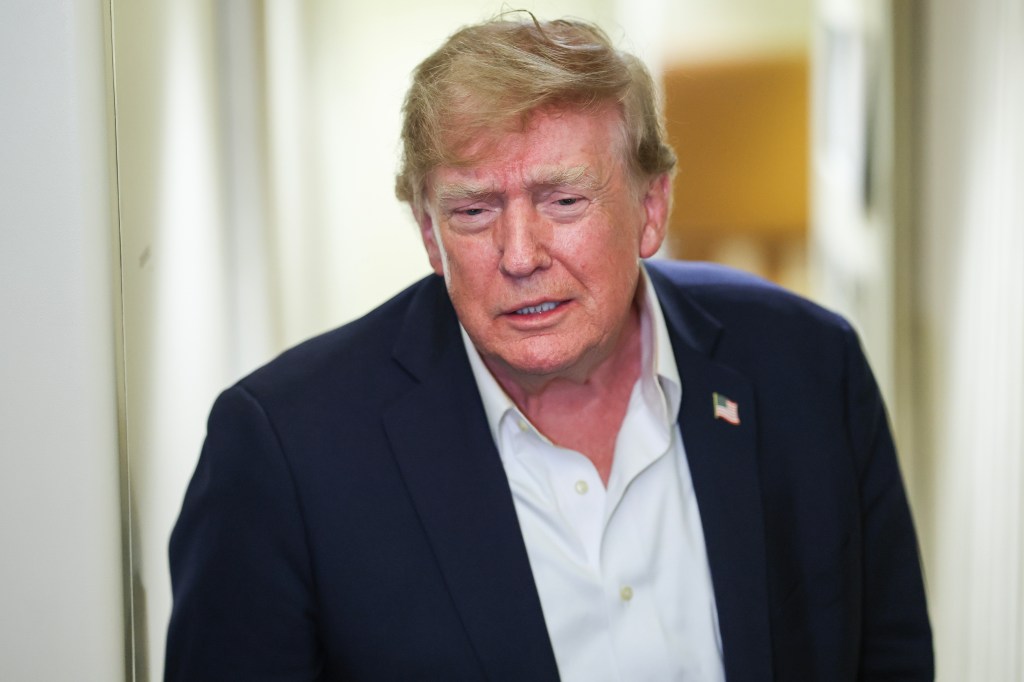
Despite his resistance to industry-led regulatory campaigns, Vance left the door open to future collaboration. “We’re certainly willing to in the future … work collaboratively with companies to minimize the risks here,” he added. He returned repeatedly to surveillance as his foremost worry: “I really, really worry about the acceleration of surveillance technology, and I think that’s something we have to be very careful of.”
Vance’s remarks on Air Force Two offered a rare window into how the administration’s second-in-command thinks about a technology that has galvanized Silicon Valley and Washington alike, even as the White House has remained largely silent on specific regulatory frameworks.