

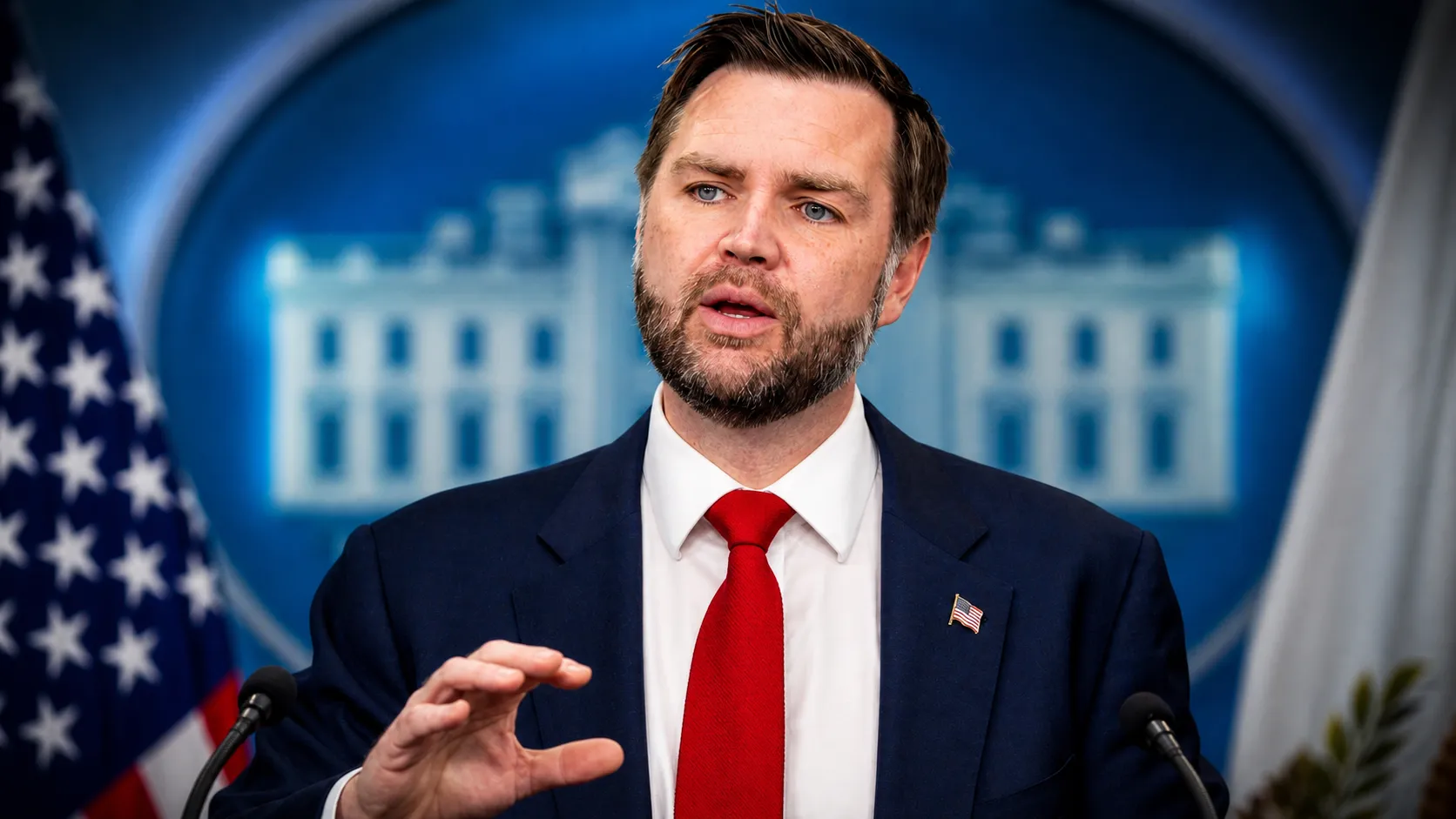
JD Vance argued on Real Time with Bill Maher that the United States is in a strong position in negotiations with Iran, whether or not the two sides ultimately reach a final nuclear deal.
The vice president’s appearance came as the Trump administration continued to defend a June 2026 interim understanding with Tehran that aims to prevent Iran from obtaining a nuclear weapon, keep the Strait of Hormuz open to international shipping, and set up a longer technical negotiating phase.
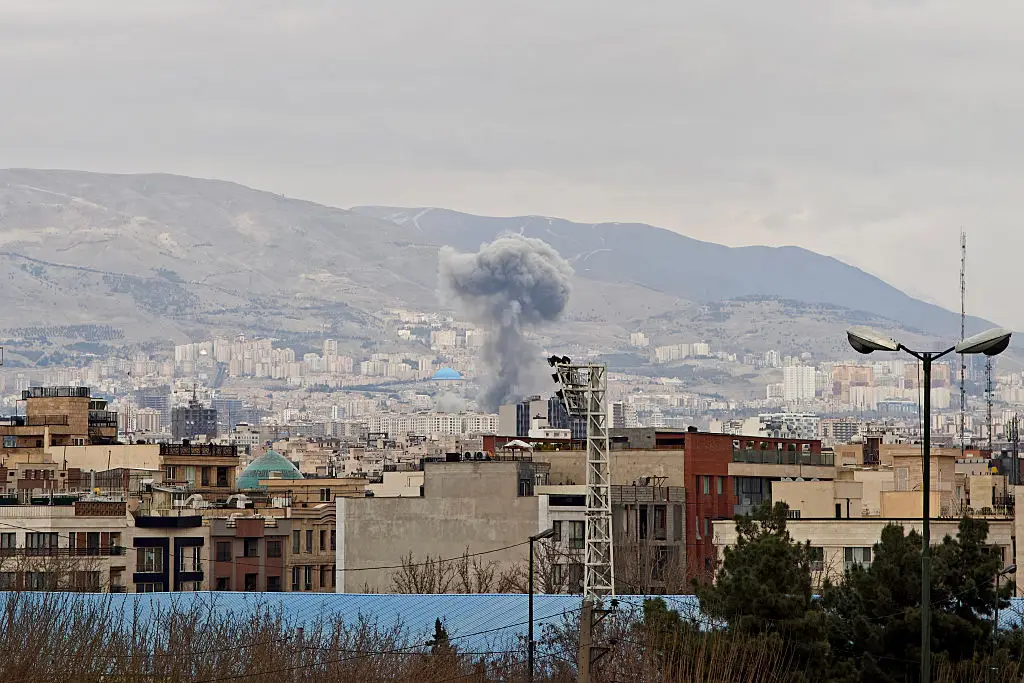
Those talks followed months of military escalation, including U.S. And Israeli strikes on Iranian targets and retaliatory drone and missile attacks. The fighting also rattled global energy markets, with the prospect of a disruption to the Strait of Hormuz briefly pushing oil prices higher before they eased as ceasefire and diplomacy advanced.
Iran’s nuclear program remains the central issue. Washington says the agreement is designed to ensure Iran never acquires a nuclear weapon, while questions about inspections, enrichment limits, sanctions relief and Iran’s ballistic missile program remain part of the broader negotiations.
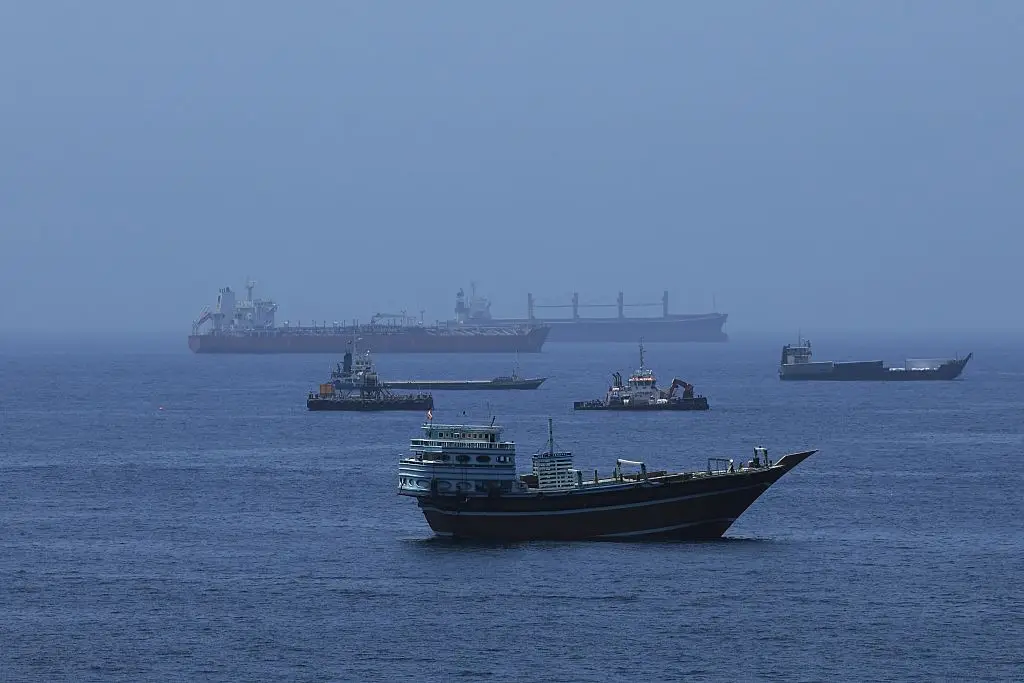
Another major issue is the Strait of Hormuz, a narrow waterway that carries a significant share of the world’s oil and liquefied natural gas. Restoring uninterrupted shipping through the strait has been a key priority for Washington as it tries to calm wider market instability and reduce the risk of another regional flare-up.
Appearing on Real Time with Bill Maher, Vance said:
“If we don’t make the final deal, their nuclear program is still destroyed, they’re still much weaker as a country.”
He added:
“So my attitude is America wins either way.”
The vice president also said the Trump administration is offering Iran what he described as a chance to change its relationship with the West.
“If they’re willing to change, we’re willing to change, too,” he said. “If they’re not willing to change, we still fundamentally have all the cards. I think it’s a good place for us to be.”
The dispute between Tehran and Washington has shaped Middle East politics for decades, especially since the 1979 Iranian Revolution and the overthrow of Shah Mohammad Reza Pahlavi, whose government had been closely aligned with the United States.
After the revolution, Ayatollah Ruhollah Khomeini’s faction consolidated power and the Islamic Republic has remained in place ever since. Iran has also backed proxy groups and allied militias across the region, including in Lebanon, Iraq, Syria and Yemen, which has long fueled tensions with the US and its partners.
Vance has been one of the administration’s main public defenders of the Iran agreement, taking part in interviews and briefings as officials try to sell the deal as a way to prevent a wider war while forcing Iran to accept nuclear oversight.
Pakistan and Qatar have both been involved in diplomatic efforts to keep talks moving and to help mediate between the sides during the latest crisis.
In recent interviews, Vance has said the administration’s goal is to let Iran re-enter the global economy only if it complies with inspections and other obligations, while maintaining pressure if Tehran refuses.
Vance said:
“What the president has asked us to do is turn over a new leaf to transform our relationship with the people of Iran, and to extend an outstretched hand that says to the people of Iran that if your leadership is willing to give up being a driver of regional instability.”