


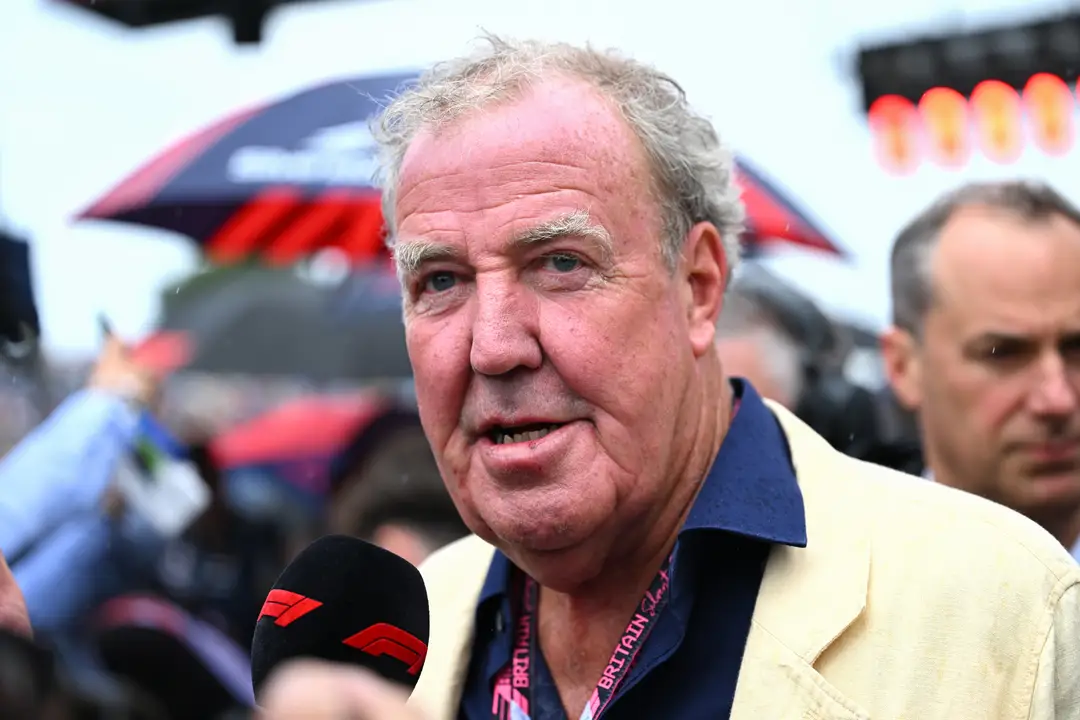
Clarkson’s Farm fans were left heartbroken by the final episode of season five, which confirmed that Jeremy Clarkson has been diagnosed with cancer.
While the series is usually light-hearted and full of jokes, the most recent episodes, released on Prime Video on June 17, shifted into far more emotional territory. Ahead of the finale, Clarkson had already suggested viewers might find it a
‘difficult watch’
During the episode, Clarkson opened up about his health in a conversation with Charlie Ireland and Kaleb Cooper, who help him run Diddly Squat Farm.
“I’ve got cancer,” he told Charlie Ireland and Kaleb Cooper, who run Diddly Squat Farm with him. “I’ve known since May.”
He later explained that the disease is an aggressive form of prostate cancer, although doctors were able to detect it early. Clarkson also said that 10 percent of his prostate is
‘dead’
And that this is the area affected by the cancer.
Clarkson’s diagnosis is a reminder that prostate cancer can be serious even when it is found early. In the United States, the American Cancer Society says about 1 in 8 men will be diagnosed with prostate cancer during their lifetime. The charity also estimates that about 6 in 10 prostate cancers are diagnosed in men aged 65 or older, and the average age at diagnosis is about 67.
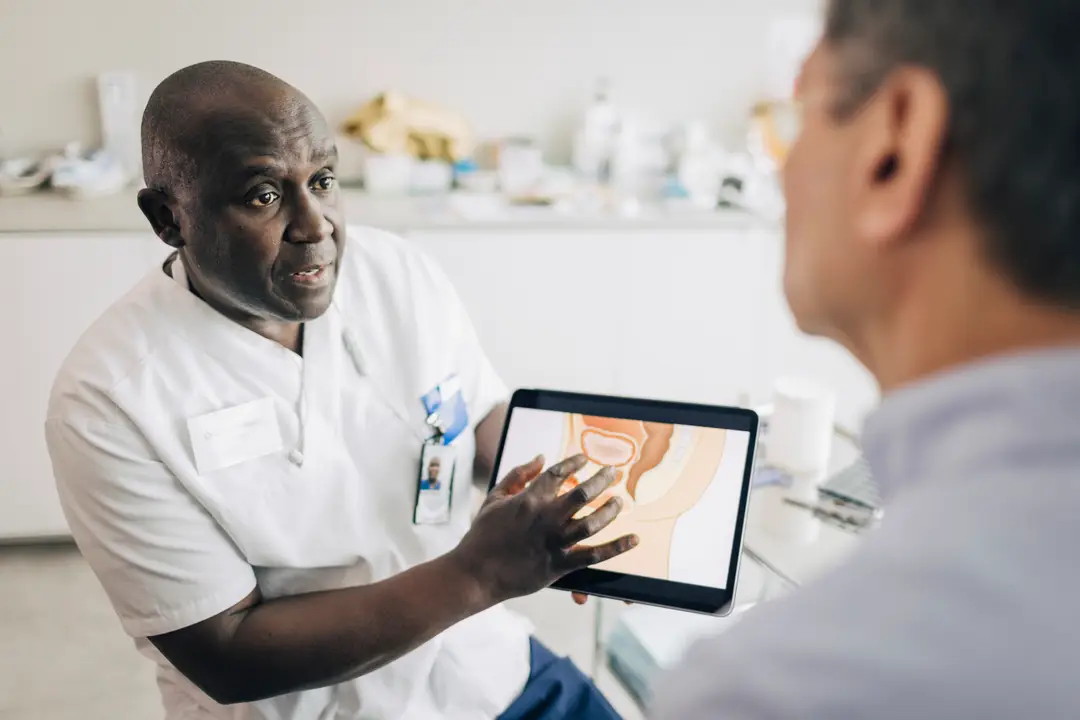
The NHS explains what the prostate does and where it is located in the body.
“The prostate is a small gland that sits below the bladder,” explains the NHS, adding: “It helps make semen.”
Prostate cancer begins when cells in that gland start growing abnormally.
In some men, this type of cancer develops slowly and may not require urgent treatment. In other cases, including aggressive forms like Clarkson’s, it can progress quickly and needs to be treated without delay.
Age is one of the biggest risk factors. The American Cancer Society says prostate cancer is rare in men under 40, but the chance of developing it rises rapidly after age 50.
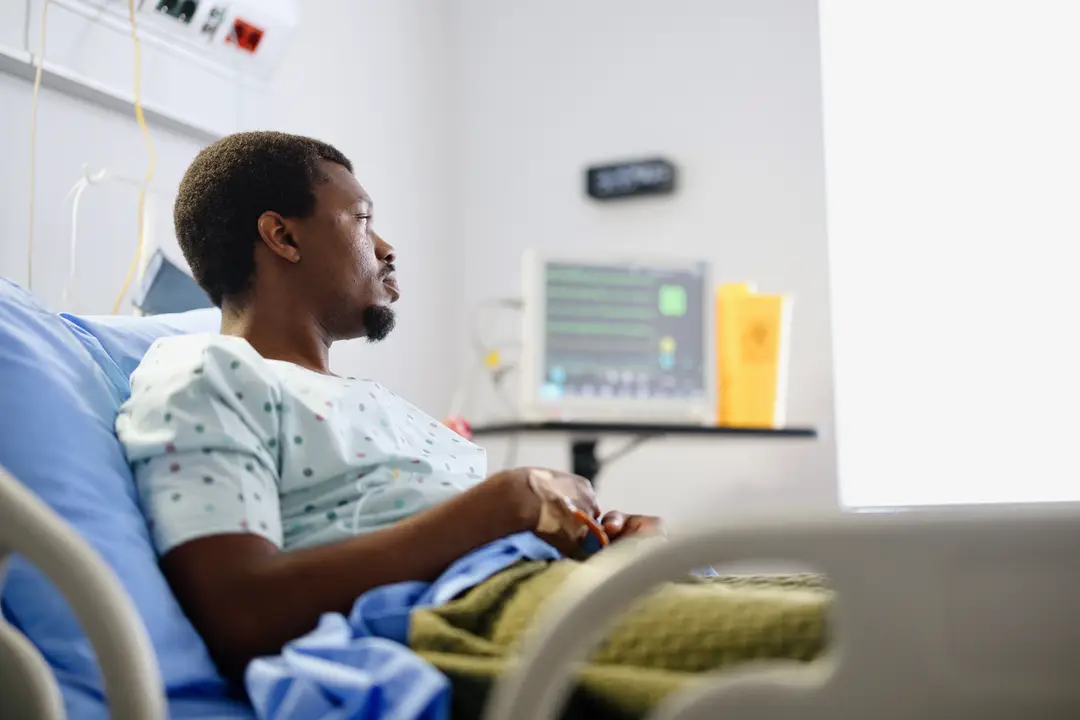
Risk also varies by race, with Black men facing a significantly higher likelihood of developing the disease. The NHS says prostate cancer is more common in men from a Black African or African Caribbean background, while the American Cancer Society notes that Black men and men of Caribbean ancestry are more likely to develop it and often at a younger age.
Family history also matters. Having a father or brother with prostate cancer more than doubles a man’s risk, and inherited gene changes such as BRCA2 can also increase risk.
Researchers are still investigating why Black men are affected more often and at younger ages. In 2024, a pilot study from the University of Essex examined why a protein known as
‘androgen receptor’
Which plays a role in the disease’s growth and spread, appears more commonly in Black men.
Dr Antonio Marco outlined the significance of the study’s results.
“The mutations that we identified are in regions of our DNA that control androgen receptor levels.
“These damaging mutations are frequently found in men with African ancestry while they are virtually absent in men of European ancestry.
“If further studies confirm that these mutations are controlling androgen receptor levels, this could pave the way for a future when less Black men are dying from prostate cancer.”
The NHS also says men over 50, Black men, and men with a family history of prostate cancer are at greater risk. The American Cancer Society recommends that men at higher-than-average risk, including all men of African ancestry and those with a close relative diagnosed before 65, discuss screening from age 45; for men at average risk, discussions typically begin at 50.
While obesity does not appear to raise the overall risk of prostate cancer, studies suggest it may be linked to a higher chance of developing more aggressive disease.
Anyone affected by these issues who wants confidential support can contact the American Cancer Society on 1-800-227-2345 or use their live chat feature, which is available 24 hours a day, every day of the year.