

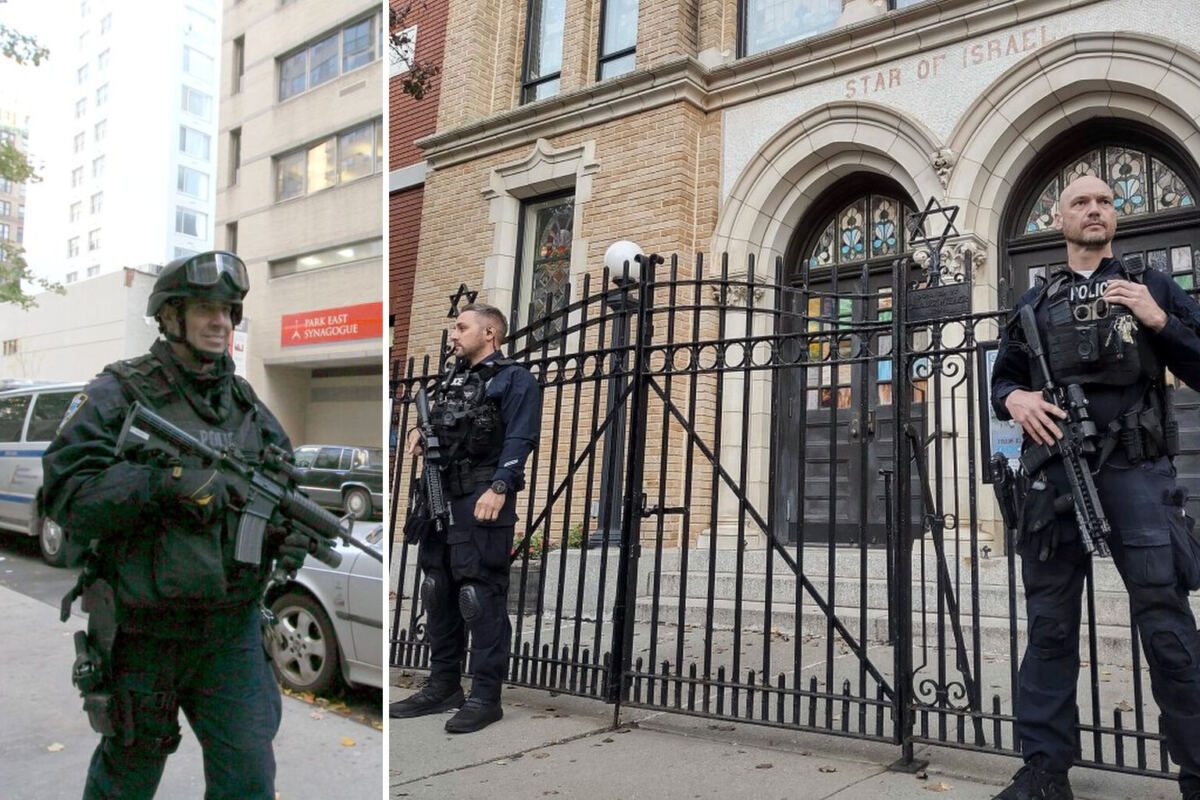
Jewish institutions across the United States poured more than $1 billion into security last year, a staggering 33% single-year spike driven by relentless antisemitic violence since the October 7, 2023 Hamas terror attacks on Israel.
The Jewish Federations of North America, which tracked both public and private funding sources, found that spending jumped from $765 million in 2024 to over $1 billion in 2025. The analysis landed as Jewish communities prepared to gather for the High Holidays, with Rosh Hashanah already observed and Yom Kippur and Sukkot approaching in October.
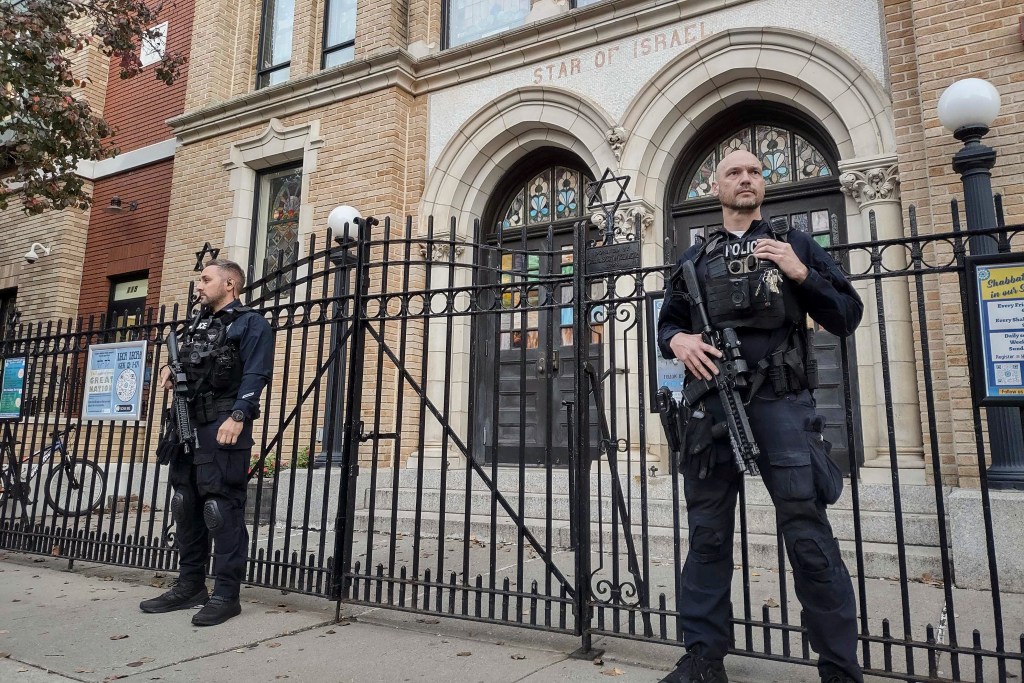
Over 60% of all religiously motivated hate crimes in the United States this year targeted Jews, a striking figure given that Jews make up less than 3% of the national population. The violence has manifested in attacks on houses of worship, schools, businesses, and individuals.
In March, a man attempted to bomb a Michigan synagogue preschool while children were inside. In January, an arsonist burned a historic Mississippi synagogue. New York City, home to roughly 10% Jewish population, has seen antisemitic hate crimes climb 15.8% this year. Jewish restaurants, markets, and synagogues in the city have faced repeated vandalism, while street-level attacks including shoving, verbal abuse, and stabbings have become regular headline fixtures for nearly three years.
New York Gov. Kathy Hochul responded to the escalating threat by allocating $70 million in state funds specifically to harden security at Jewish community centers during this year’s High Holiday season.
“The most sacred period in the Hebrew year gets underway in a few short days,” Hochul said while announcing the measure earlier in September. “This is always a time of anxiety, concern, and now I would say it’s been ratcheted up.”
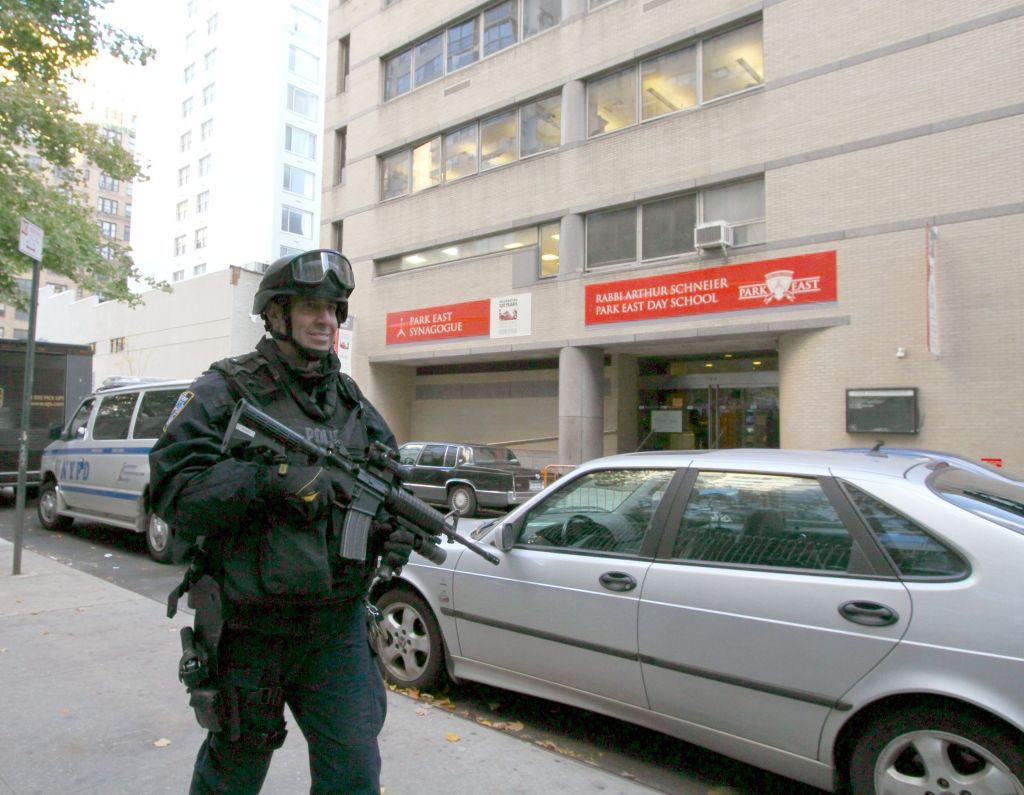
The surge in security spending and targeted state intervention reflect how the October 7 attacks reshaped daily life for American Jewish communities far from the Gaza Strip battlefield. What began as a Hamas assault on Israel has metastasized into sustained domestic threat patterns requiring institutional budgets to absorb militarized protection costs previously unimaginable for religious congregations.
Hochul’s $70 million allocation represents one of the largest single state interventions, timed to cover the concentrated gathering period when synagogues see their highest attendance and, correspondingly, their greatest vulnerability. The governor’s characterization of the High Holidays as historically anxious now amplified speaks to a normalization of elevated threat conditions that community leaders say began with the 2023 attacks and never receded.
The Michigan and Mississippi incidents illustrate the geographic breadth of the threat pattern, extending well beyond traditional coastal population centers. Each attack prompted local law enforcement coordination with federal agencies, adding investigative costs atop physical security expenditures.
New York City’s sustained 15.8% increase in documented antisemitic hate crimes this year comes atop already elevated post-October 7 baselines, suggesting not a spike but a persistent new plateau of violence. Street-level incidents in particular have proven difficult to prevent through institutional security spending, falling instead to municipal policing strategies with mixed results.
The $765 million to $1 billion spending trajectory, if continued, would project Jewish American institutions becoming among the most heavily secured religious communities in the developed world on a per-capita basis. The Jewish Federations of North America has not indicated whether it expects further increases for 2026, though community leaders say threat assessments remain unchanged.
Hochul’s September announcement framed the state funding as emergency responsive rather than structural, leaving open whether New York will maintain comparable allocations should holiday-season incidents materialize or pass without major attack.