

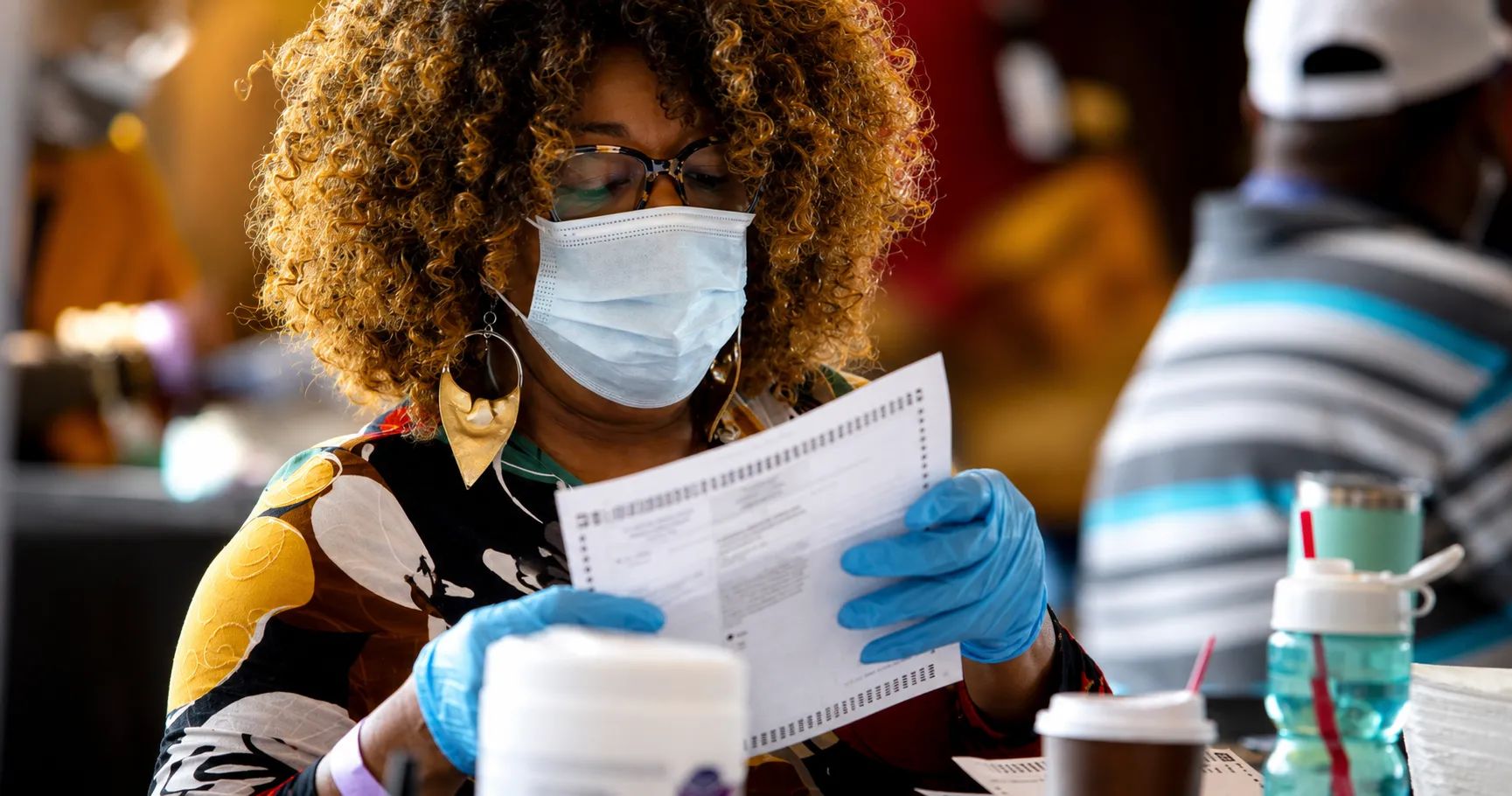
A federal judge in Georgia on Tuesday blocked the Trump administration from obtaining names and personal contact information for election workers who served during the 2020 election in Fulton County, ruling that the government’s grand jury subpoena was unreasonable and overly broad.
U.S. District Judge William Ray, who was appointed to the bench by President Trump in 2018, rejected the Justice Department’s demand in a scathing decision. “Given the low need for the subpoenaed information and the highly burdensome nature of the disclosure of the same, the Subpoena is unreasonable and must be quashed,” Ray wrote, calling the scope of the request “staggering.”
The Justice Department had obtained a grand jury subpoena in April seeking names, residential addresses, email addresses and personal phone numbers of all county employees and volunteer poll workers from the 2020 election. The subpoena would have required disclosure of personal identifying information for thousands of individuals.
The case reflects the Trump administration’s continuing focus on the 2020 election, particularly in Fulton County, Georgia’s most populous county and a Democratic stronghold where Trump has long claimed without evidence that widespread voter fraud cost him victory. The Republican president lost Georgia to Democrat Joe Biden by approximately 11,779 votes.
Fulton County officials strongly opposed the subpoena, filing a motion in May to quash it. County lawyers argued the request was designed to “target, harass and punish the President’s perceived political opponents” and was “grossly over broad and untethered to any reasonable need.” They warned the subpoena would have a chilling effect on future election participation and that election workers already face safety concerns due to threats arising from the current political environment.
The judge sided with the county on the central issue of whether the subpoena was justified. Ray emphasized that even if the Justice Department’s records could identify individuals who claim the election was unfair, that information could not be used to bring any criminal charges. The statute of limitations for any potential crimes connected to the 2020 election has already expired, the judge wrote.
Ray drew a clear line on the government’s authority. “While grand juries often work with federal prosecutors to investigate alleged crimes, that does not give the DOJ the right to use the Grand Jury to do whatever the DOJ wants,” he stated.

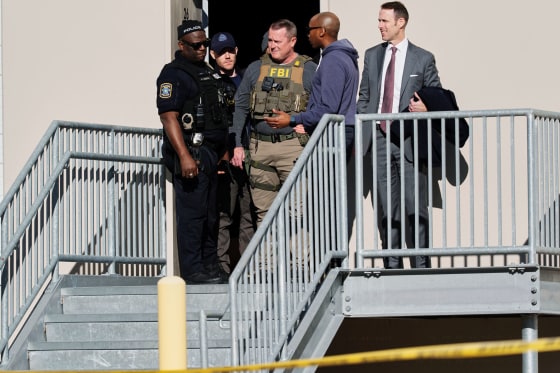
The subpoena arrived after the FBI executed a search warrant at the Fulton County election hub in January, seizing hundreds of boxes of ballots and other documents from the 2020 election. A separate federal judge in May had previously denied Fulton County’s request to force the federal government to return those ballots.
During court proceedings, the Justice Department argued the subpoena was “the next step in the normal investigative process” and that it sought “records identifying persons with relevant knowledge.” Justice Department lawyer William McComb said the government intended to interview election workers about what they may have witnessed.
The county’s attorneys countered that the statute of limitations on any alleged misconduct had already expired. McComb responded that the statute of limitations was not relevant at the investigative stage, arguing the investigation was meant to determine what charges could eventually be brought.
Ray’s ruling acknowledged the political sensitivity surrounding the matter. “In these hyper-political times in which we currently live, there are sure to be some who disagree with this decision because they believe the allegations of fraud in the 2020 Election and believe that ‘light’ should be brought to those claims,” the judge wrote.
However, Ray expressed broader concerns about the government’s use of grand jury power. “Everyone, whether you support the President or you do not, or whether you believe the 2020 Election was fair or believe that it was not, should be concerned about the DOJ’s ability to utilize the power of the Grand Jury to appropriate your private information without a legitimate purpose,” he wrote.
The judge also questioned whether the grand jury itself had actually sought the information or whether it was merely prosecutors acting in the grand jury’s name. “No evidence has been presented to the Court that the actual Grand Jury in the Northern District of Georgia seeks this information, as opposed to the out-of-district prosecutors who the DOJ has appointed to lead this inquiry,” Ray wrote.
The ruling represents a significant setback for the Trump administration’s election investigation efforts. It is one of several court defeats the administration has suffered as the president remains focused on his claims of mass election fraud in 2020. The Justice Department did not immediately respond to requests for comment following the decision.
The case highlights the sensitive situation facing Fulton County’s election workers, many of whom have reported facing threats and harassment since the 2020 election. Trump and his supporters, including lawyer Rudy Giuliani, had singled out poll workers like Ruby Freeman and her daughter Shaye Moss with baseless fraud accusations. Freeman has said she was forced to flee her home after facing racist threats and unwanted visitors.