

A federal judge has struck down a Trump administration overhaul to a major student loan forgiveness program, ruling that the rules would unlawfully target nonprofit and government organizations based on their policy positions and threatened to become a tool for political retribution.
U.S. District Judge Myong Joun in Massachusetts vacated the Education Department’s changes to the Public Service Loan Forgiveness program on Tuesday, one day before the new rules were set to take effect on July 1. The judge said the overhaul overstepped the agency’s authority and threatened to violate First Amendment protections for free speech.
The ruling came in response to lawsuits filed by more than 20 states along with a coalition of nonprofit groups and cities, including Boston, Chicago, San Francisco and Albuquerque. Labor unions including the American Federation of Teachers, the American Federation of State, County, and Municipal Employees and the National Education Association also challenged the changes.
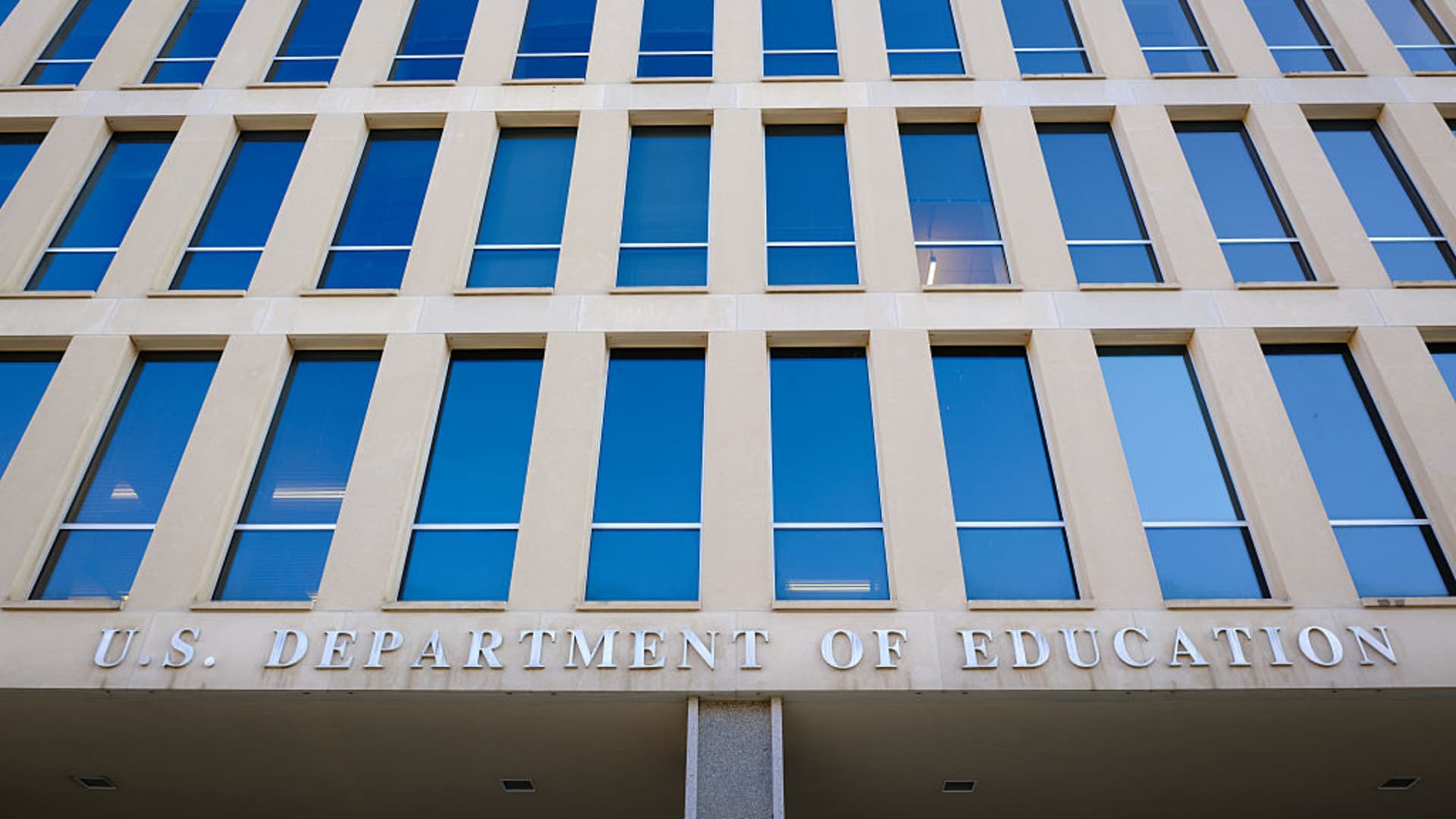
Congress created the Public Service Loan Forgiveness program in 2007 to encourage college graduates to work in government and nonprofit jobs, promising to forgive their federal student loans after 10 years of qualifying payments. The program has canceled loans for more than 1 million Americans since its inception.
Last year, the Trump administration moved to add new eligibility rules that would strip the benefit from workers whose employers are deemed to have a “substantial illegal purpose.” The overhaul targeted nonprofits and government organizations that support causes at odds with the Trump administration’s priorities. It gave the education secretary power to exclude groups from the program if they engage in activities including the trafficking or “chemical castration” of children, illegal immigration or supporting terrorist organizations. The administration’s definition of “chemical castration” included using hormone therapy or drugs that delay puberty.
In his ruling, Judge Joun said the new rules threatened to impose the administration’s policy views on employers. He wrote that the administration “may not leverage the PSLF program to compel” organizations “to conform their conduct to policy preferences that have not been enacted into law.” The judge also faulted the Education Department for failing to connect its definitions of illegal activity to actual criminal statutes.
Joun further questioned the department’s rationale for proposing the new rules, noting that fewer than 10 employers would be barred from the program per year based on the department’s own estimates. “The Department offers no explanation for why a Final Rule with such sweeping consequences is necessary to address the possibility that, at most, ten employers each year may be engaging in illegal activity,” he wrote.

The overhaul amounted to a major reworking of a program that has provided critical support for millions of public service workers. Nonprofits and government agencies have said the new rules would undercut an important benefit that helped attract college graduates to jobs that traditionally pay lower wages than positions in the private sector.
In issuing his ruling, Judge Joun noted that more than 100 supporting briefs were filed on behalf of the groups challenging the rules, while none were filed supporting the Trump administration’s proposed changes.
Advocacy groups and state officials argued the rules would amount to political weaponization of the student loan program. They contended that organizations’ resistance to the administration’s immigration policies, for example, could lead the secretary to exclude that government’s public workers from loan forgiveness. Critics particularly highlighted that the rules could target nonprofits and government agencies working to advance racial equity, immigrant rights and LGBTQ rights.
The Trump administration defended the rules as necessary to ensure that student loan forgiveness benefits go only to organizations engaged in lawful activities. Education Department officials argued the program should not subsidize borrowers working for employers engaged in illegal conduct. The Education Department did not immediately respond to a request for comment on the ruling.
Roughly 2.5 million federal student loan borrowers are currently working toward PSLF eligibility. For those borrowers, the ruling provides reassurance that the rules they were concerned about will not take effect as originally scheduled. Existing credits earned toward the 120-payment requirement would have been preserved under the proposed rule even if an employer was disqualified, but borrowers working for newly ineligible employers would have been unable to accrue new credit toward forgiveness.
The decision represents a setback for the Trump administration’s broader agenda to restrict student loan forgiveness programs. The ruling comes amid a series of legal challenges to the administration’s student loan policies, including court blocks on rules related to graduate borrowing limits and its efforts to eliminate the Biden-era SAVE repayment plan.