

A federal judge has dealt yet another legal blow to the Pentagon’s efforts to restrict media access, ordering the Defense Department to temporarily halt its requirement that journalists be accompanied by official escorts while visiting the building.
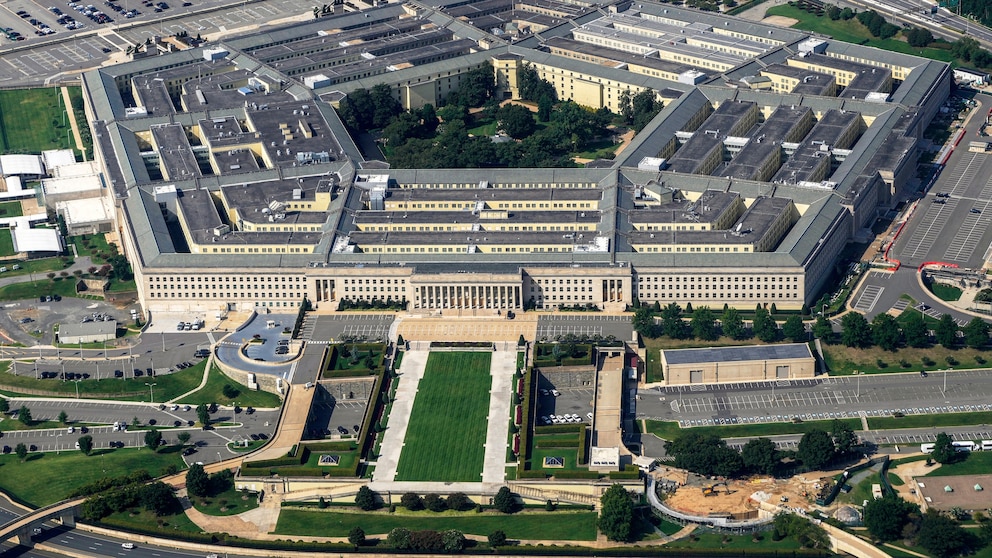
U.S. District Judge Paul Friedman issued the preliminary injunction on Tuesday, finding that the escort policy violates the First Amendment. The ruling marks the latest setback for the Trump administration’s attempt to limit press coverage at the Pentagon, a conflict that has escalated dramatically over the past seven months and evolved into a major constitutional battle.
The order allows the outlet to proceed with its lawsuit challenging the restriction, which has prevented credentialed reporters from moving freely through the Pentagon without government oversight. Though the judge’s language in the ruling was technically directed at the Times, the escort policy itself applies to all journalists seeking to visit the facility.
“Those who drafted the First Amendment believed that the nation’s security requires a free press and an informed people and that such security is endangered by governmental suppression of political speech,” Judge Friedman wrote in his decision, invoking the founding era as the nation approaches its 250th anniversary this week.
The judge found compelling evidence that the escort requirement, which was implemented in March, was adopted in retaliation for the Times’ successful legal challenge to earlier Pentagon press credentialing rules. He determined that requiring journalists to obtain an escort in advance for each and every Pentagon visit placed an unreasonable burden on newsgathering activities. He cited testimony showing that the ability to interview varied sources, engage in spontaneous conversations, and develop relationships with sources are essential aspects of covering the Pentagon, all of which are “inescapably burdened” by the escort mandate.
Friedman also expressed skepticism toward the Pentagon’s rationale for the policy. The Defense Department argued that unescorted access to the Pentagon could lead to security breaches and the unauthorized disclosure of classified information. But the judge found this logic unconvincing, noting that the timing of a journalist’s question should have no bearing on whether a Department official decides to disclose classified material.
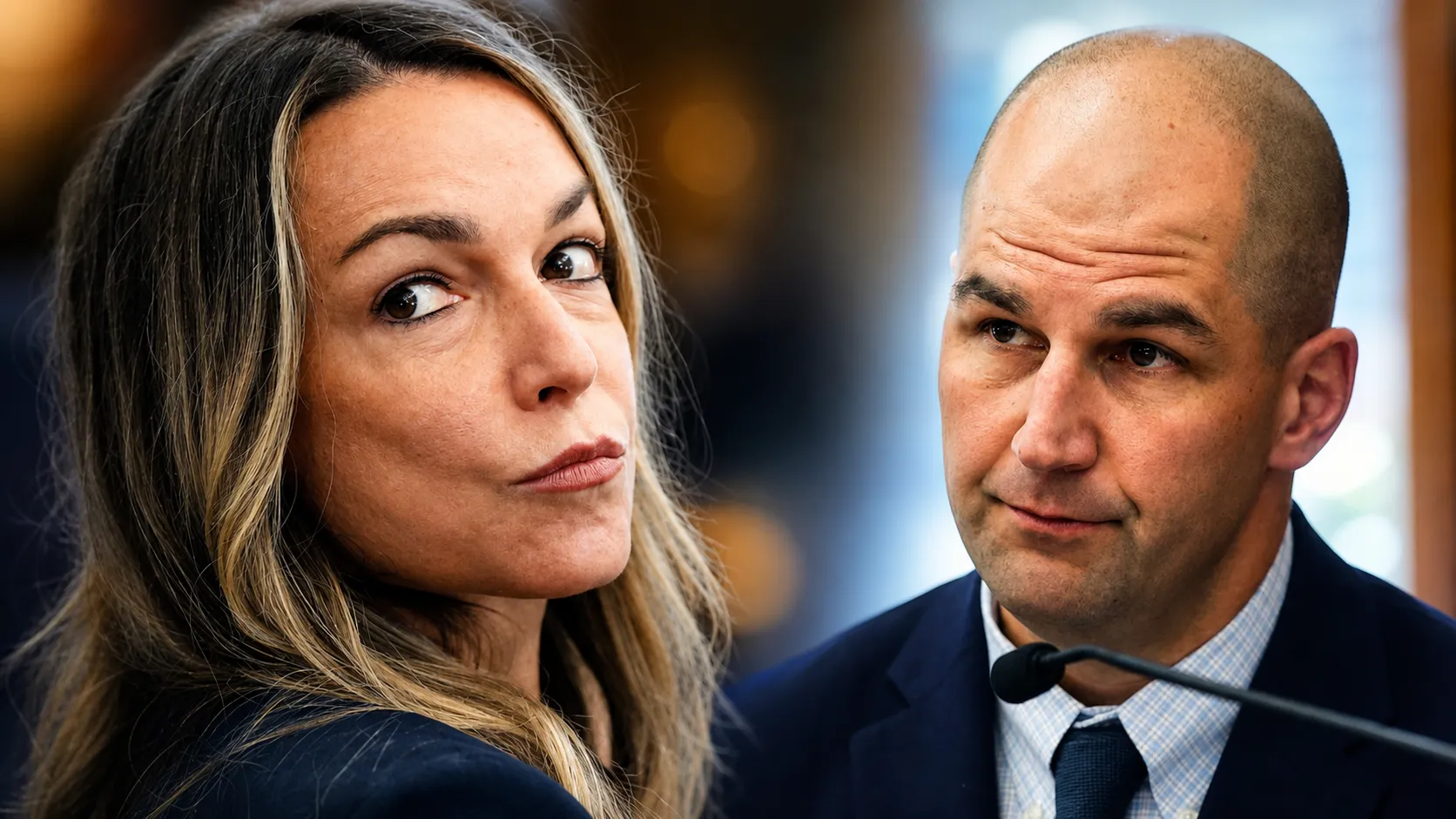
In crafting his reasoning, Friedman pointed to statements made by Defense Secretary Pete Hegseth attacking the media, including remarks describing press coverage as an “endless stream of garbage” and references to the “legacy Trump-hating press.” The judge used these comments as evidence that the underlying motive for the restrictions was retaliatory rather than protective of national security.
Pentagon spokesman Sean Parnell responded swiftly, posting a statement on social media expressing strong disagreement with the ruling. “This ruling strips away reasonable security measures and will make it easier for sensitive and classified information to reach our adversaries,” Parnell wrote. He argued that unescorted access to the Pentagon had previously allowed journalists to observe activity patterns and develop relationships that contributed to unauthorized disclosures of operational plans and intelligence. The department pledged to appeal the decision.
A spokesperson for the Times hailed the ruling as vindicating the First Amendment. “Today’s well-reasoned decision reaffirms the First Amendment rights of the press to cover the Pentagon without restrictions designed to prevent the public from knowing what the military is doing,” the spokesperson said. “The court recognized that the Pentagon’s hastily implemented new policy was a clear violation of the Constitution.”
The escort policy dispute is the latest chapter in a protracted legal struggle that began when Defense Secretary Hegseth took office in January 2025 with explicitly hostile views toward the mainstream press. In late January, he removed established major news outlets including the Times, NBC News, NPR, and Politico from their longtime desks at the Pentagon, replacing them with conservative outlets more favorable to the administration.
Hegseth then unveiled a sweeping press credentialing policy in September 2025 that would bar journalists from reporting information unless it was officially authorized for release by Pentagon officials. The policy went far beyond classified information, prohibiting the publication of any material without approval from agency heads. News organizations seeking Pentagon access would have to pledge not to gather information without formal authorization from the Defense Department.
Facing condemnation from press freedom advocates and an exodus of mainstream outlets unwilling to accept such restrictions, the Pentagon continued to revise its policies. The Times filed its initial lawsuit in December, arguing that the rules violated First and Fifth Amendment protections. In March, Judge Friedman ruled against the initial version of the policy, striking down the most restrictive provisions and ordering the Pentagon to restore access for Times journalists.
But in what the judge would later describe as an attempt to evade his ruling, the Pentagon implemented new restrictions in March, this time requiring that journalists be accompanied by official escorts. When the judge found in April that this interim policy also violated his previous order, the Pentagon appealed. A federal appeals court subsequently stayed portions of Friedman’s ruling while the government pursued its appeal, allowing the escort requirement to remain in effect pending the outcome of the legal process.
Growing frustrated with what it viewed as Pentagon intransigence, the Times filed a second lawsuit in May specifically targeting the escort policy. That lawsuit prompted Friedman’s latest ruling. The appeals process remains ongoing in the original case, even as this new preliminary injunction now bars enforcement of the escort requirement.
In October, the Times and other major mainstream news outlets had made a collective decision to walk out of the Pentagon rather than submit to Hegseth’s restrictions. They have continued to cover the U.S. Military from outside the building, while a new press corps comprised mostly of conservative outlets approved by the department occupies the Pentagon press facilities.