

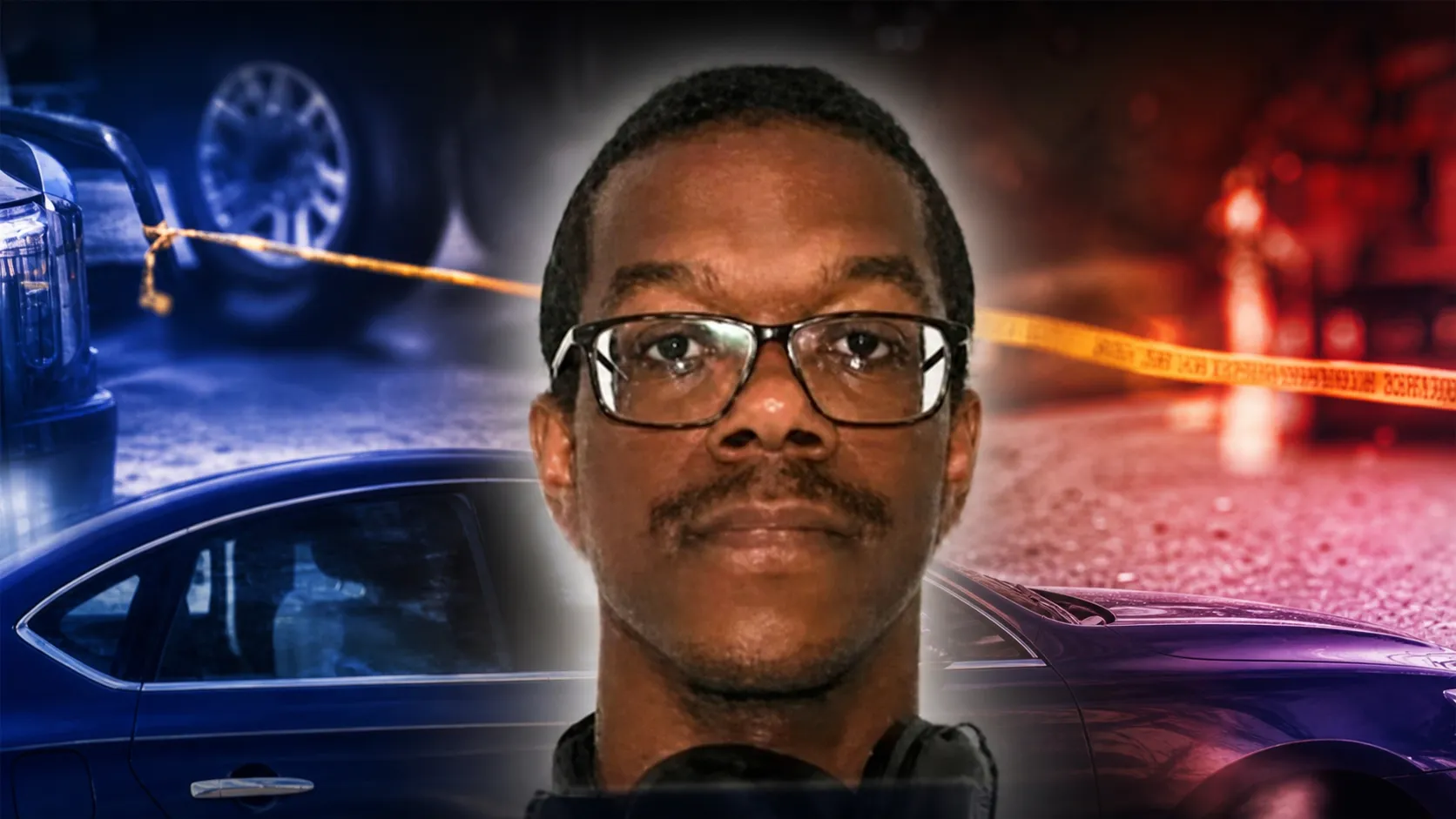
A federal judge on Monday rejected arguments that a Virginia man accused of planting pipe bombs near the Democratic and Republican national committee headquarters was covered by President Donald Trump’s sweeping pardons for January 6 Capitol riot defendants.
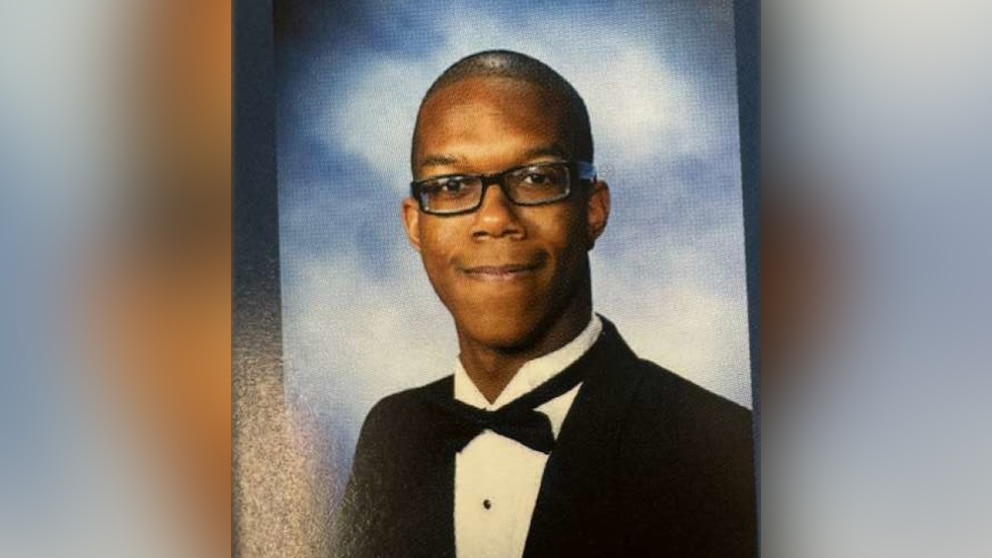
U.S. District Judge Amir Ali issued a three-page order denying a motion to dismiss filed by Brian Cole Jr., who was arrested in December 2025 after nearly five years of investigation. Cole is accused of placing two pipe bombs outside the Republican National Committee and Democratic National Committee offices in Washington, D.C., on the night of January 5, 2021. The devices did not detonate but were discovered the following morning after law enforcement found them on January 6.
Cole’s defense attorneys had argued that his alleged actions were so tightly connected to the Capitol riot that they qualified for coverage under Trump’s blanket pardon issued on his first day in office in January 2025. The defense contended the conduct was “inextricably and demonstrably tethered” to the events at the Capitol on January 6. Trump’s pardon covered more than 1,500 people charged in connection with the attack, marking the largest erasure of a criminal investigation in Justice Department history.
However, Judge Ali, a Biden appointee, found the language of Trump’s pardon proclamation narrowly restricted its application. The judge wrote that the pardon applied explicitly to individuals who had been convicted or had pending indictments for offenses related to January 6 Capitol events. Cole had neither been convicted nor charged when Trump issued the pardon in January 2025, nearly a year before his arrest.
“Even assuming that the conduct Cole is charged with is ‘related to events that occurred at or near the United States Capitol on January 6, 2021,’ the pardon is expressly limited to people who had been ‘convicted of offenses’ related to those events,” Ali wrote. Cole was not charged until December 2025, many months after the president’s proclamation.
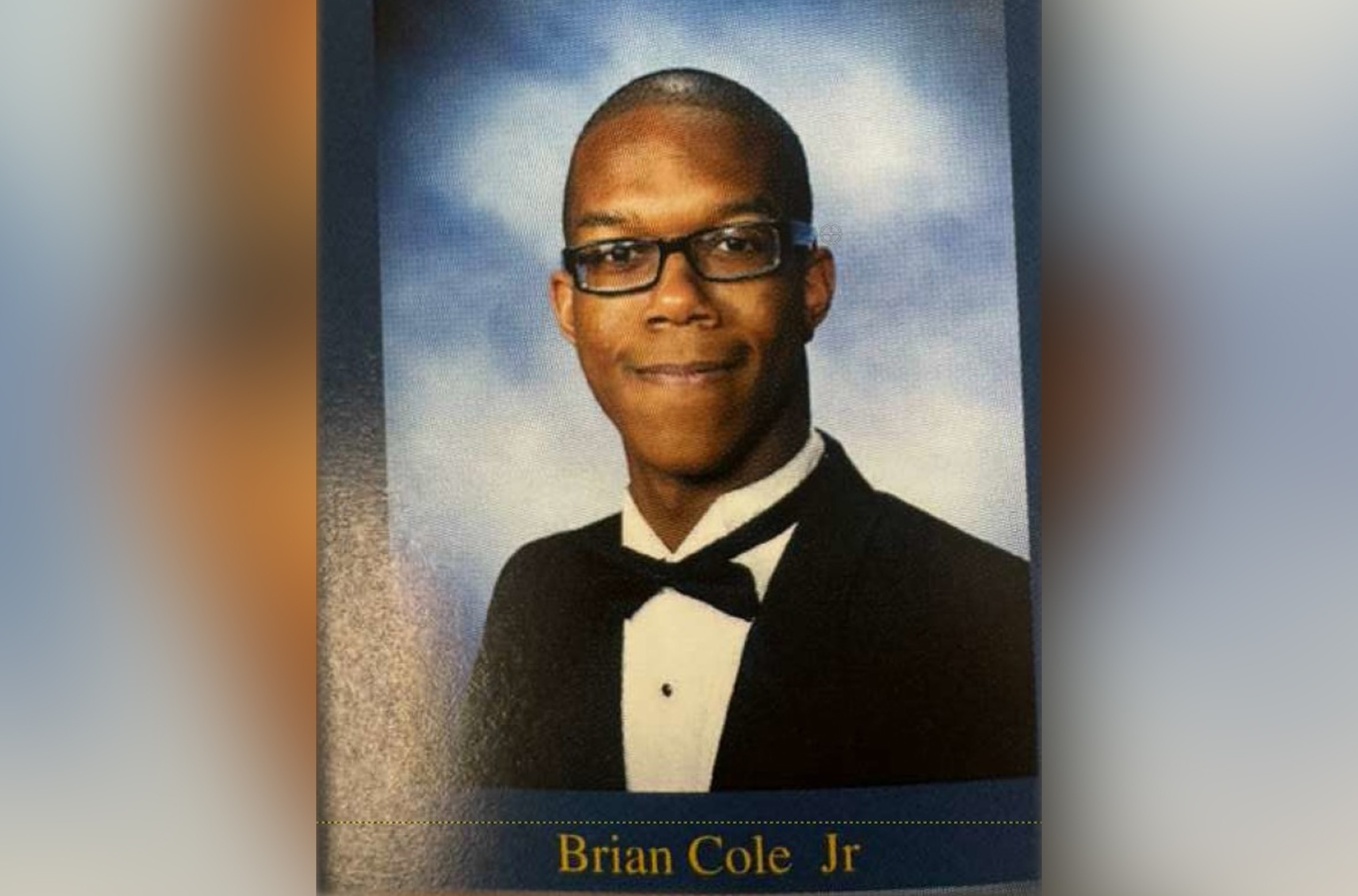
The arrest marked a major breakthrough in one of the FBI’s most vexing cold cases. Cole, 30, of Woodbridge, Virginia, was arrested at his home following what federal officials described as an “aha moment” that renewed focus on existing evidence. The investigation that led to his arrest did not rely on new tips or discoveries but instead involved a reexamination of materials already gathered over years, including video surveillance, cell phone location data, and records of material purchases.
According to court documents and an FBI affidavit, investigators traced Cole’s cell phone to towers near the DNC and RNC headquarters on the evening the bombs were placed. A license plate reader captured his 2017 Nissan Sentra driving less than half a mile from where the suspect was observed on surveillance footage. Investigators also identified purchases Cole made between 2018 and 2020 of components consistent with pipe bomb construction, including galvanized pipes, end caps, kitchen timers, nine-volt batteries, and electrical wiring from hardware and retail stores.
When arrested, Cole gave what prosecutors described as a confession. In interviews with FBI agents, Cole stated that he felt “bewildered” by conspiracy theories related to the 2020 election and said “something just snapped.” During separate interviews, Cole told investigators he believed the 2020 election had been stolen, though he also expressed support for President Trump while holding anarchist political views. Cole pleaded not guilty to his charges.
The Justice Department opposed Cole’s motion to dismiss, arguing that the president’s proclamation plainly applied only to people convicted of or charged with Capitol-related offenses before the pardon was issued. Prosecutors noted that Cole had not been identified by law enforcement, let alone charged or convicted, when Trump exercised his clemency power on Inauguration Day 2025.
Cole faces serious charges including transporting an explosive device in interstate commerce and attempted malicious destruction by means of explosives. In April 2026, a federal grand jury added terrorism and weapons-of-mass-destruction charges against him. If convicted on the original charges, he could face up to 10 years in prison on the transportation count and a minimum of five years up to 20 years on the destruction count.
Cole was denied bail and ordered detained pending trial. When he requested release, Judge Ali denied the request, agreeing with a magistrate judge’s earlier determination that no conditions could adequately protect public safety given the nature of the charges. A status hearing was scheduled for Wednesday, with no trial date yet set.
The timing of Cole’s arrest came approximately one year after Trump took office and issued the blanket pardons. The pipe bomb case had languished for years before the Trump administration made it a priority. Attorney General Pam Bondi announced the arrest and praised investigators and prosecutors for their work examining evidence that had accumulated during the lengthy investigation. The discovery of the viable pipe bombs on January 6 had diverted significant law enforcement resources from the Capitol as the riot was beginning.