

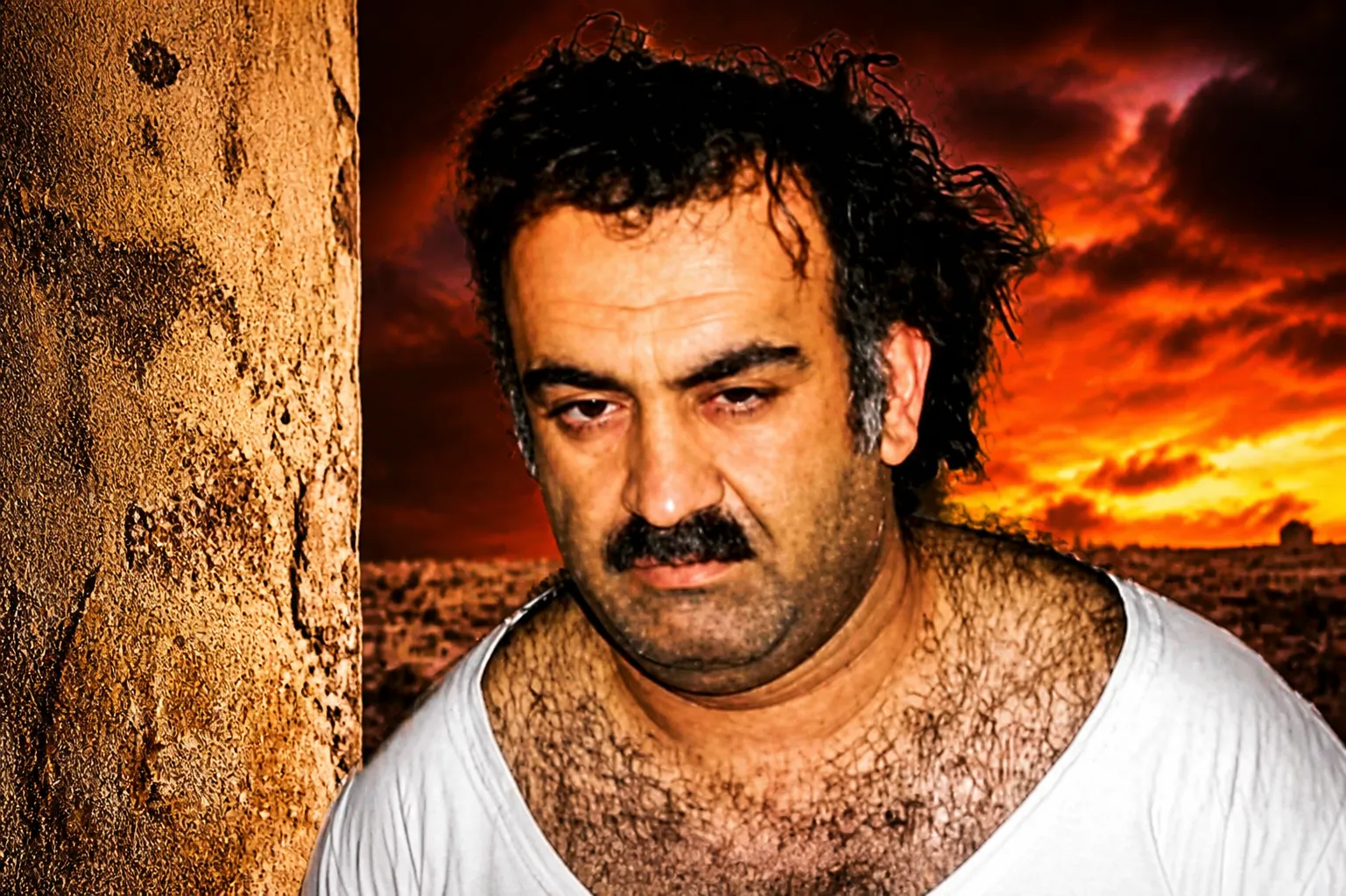
A military judge has thrown out Khalid Sheikh Mohammed’s 2007 confession in a major blow to prosecutors ahead of his long-delayed trial.
Lt. Col. Michael Schrama ruled that statements Mohammed, 59, gave to investigators nearly two decades ago were not given voluntarily, sources familiar with the decision said. The ruling strips prosecutors of a key piece of evidence in the case against the self-proclaimed architect of the September 11 attacks.
The US military has not made the ruling public, pointing instead to an ongoing security review. The decision remains under wraps even as its consequences ripple through a prosecution already marked by extraordinary delays.
The timing could hardly be more fraught. Schrama set June 2026 as the trial date only days before this ruling, a date that now falls almost three years after the 25th anniversary of the attacks that killed nearly 3,000 people on September 11, 2001. At the time of that announcement, the anniversary was just two weeks away.
Mohammed has spent more than two decades in US custody, most of it at the Guantánamo Bay detention facility. His case has become emblematic of the legal and moral quagmire surrounding the military commission system established to try terror suspects captured after 9/11.
The confession at issue dates from 2007, when Mohammed told a closed military hearing that he had planned the attacks “from A to Z.” He also claimed responsibility for dozens of other plots during that session, though the admissibility of those statements has long been contested due to the circumstances of his interrogation.
Mohammed was captured in Pakistan in 2003 and held for three years in secret CIA prisons known as “black sites.” During that period, he was subjected to waterboarding 183 times and other harsh interrogation techniques that critics and multiple government reports have characterized as torture. The CIA transferred him to Guantánamo in 2006.
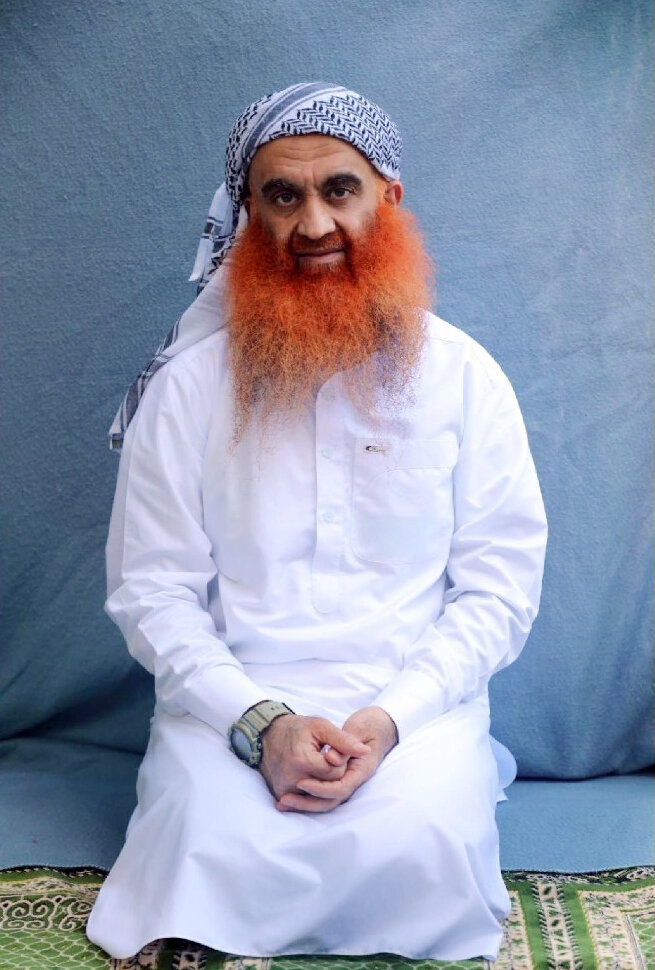
Mohammed’s 2007 confession came during a Combatant Status Review Tribunal at Guantánamo, where he appeared with a thick beard and white tunic and calmly described his role in the worst terrorist attack in American history. The transcript of that hearing circulated globally, with Mohammed declaring he was responsible for the 1993 World Trade Center bombing, the beheading of journalist Daniel Pearl, and numerous other operations he said were carried out at his direction. Prosecutors had planned to use those statements at trial, but defense attorneys have argued for years that the confession was tainted by the torture Mohammed endured in CIA custody.
Schrama’s latest ruling comes after an appeals court ordered him to reconsider his earlier decision on the confession’s admissibility. The judge had previously allowed some statements, but appellate judges sent the issue back for further review of whether the taint of torture had infected Mohammed’s later, ostensibly voluntary remarks to military questioners.
The prosecution now faces the challenge of building its case against Mohammed and four co-defendants without what had been considered among its most damning evidence. The five men are charged with murder, terrorism, and hijacking in connection with the attacks that destroyed the World Trade Center, damaged the Pentagon, and sent a fourth plane crashing into a Pennsylvania field.
Mohammed’s trial is scheduled to begin in June 2026 at Guantánamo Bay.