

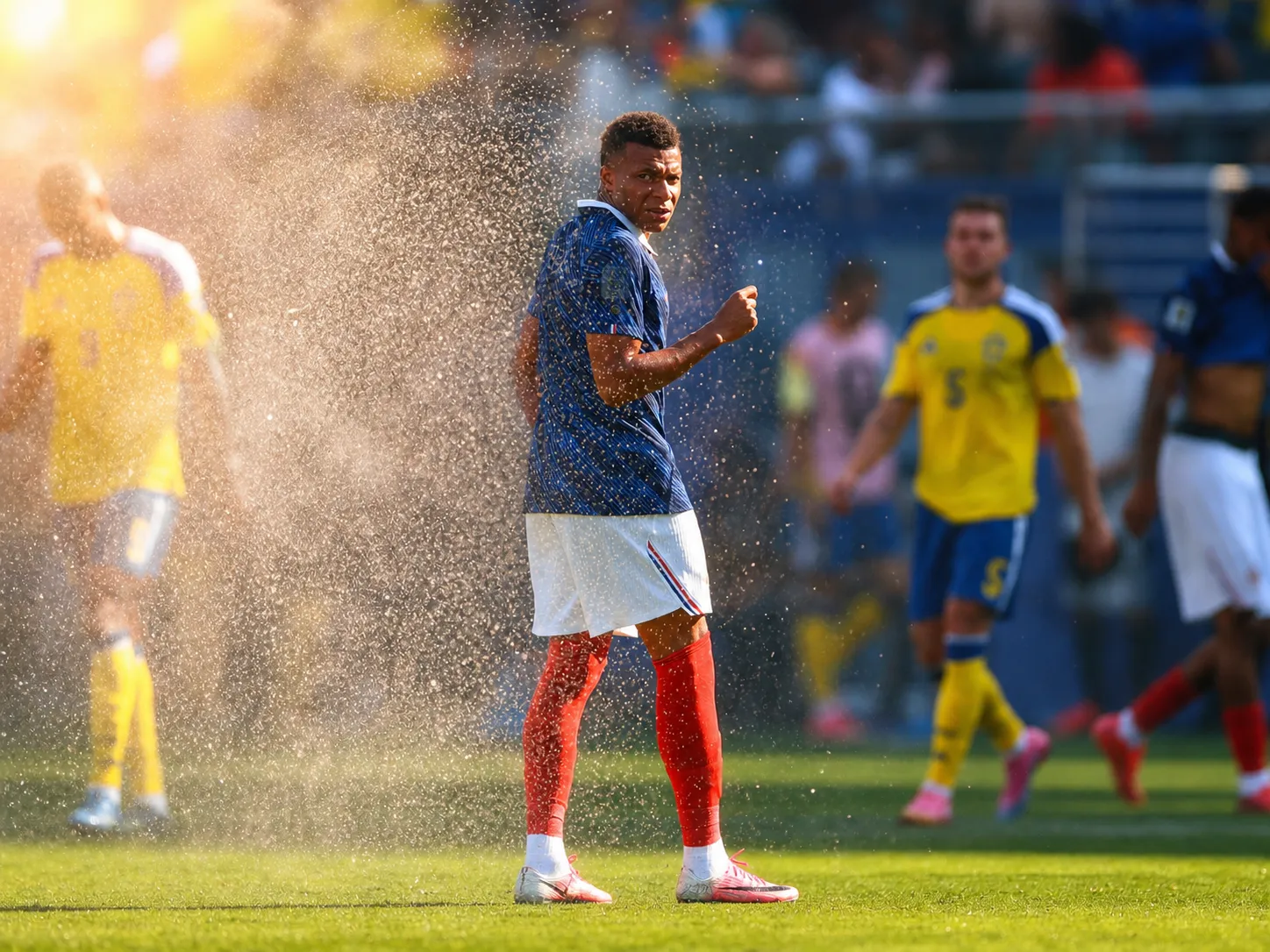
A dangerous heat wave is engulfing the eastern United States precisely as the FIFA World Cup 2026 enters its crucial knockout rounds, creating hazardous conditions for players competing in some of the tournament’s most important matches and for thousands of fans gathered in open-air stadiums.
The massive heat dome is sending temperatures into the triple digits across much of the eastern United States this week, with some areas expected to set new heat records. Peak heat indexes—which combine air temperature with humidity—are forecast to reach between 100 and 115 degrees Fahrenheit. The conditions are particularly intense in the Northeast, where the National Weather Service has issued extreme heat warnings for multiple cities hosting World Cup matches.
Saturday’s afternoon knockout round game between France and Paraguay in Philadelphia could prove to be the hottest World Cup match played so far this year. Forecasters warn it may end up being hotter than matches played in Miami. With temperatures expected to reach around 100 degrees Fahrenheit and a heat index potentially climbing to 110 degrees, the game scheduled to start at 5 p.m. ET will take place during dangerously sweltering conditions. The extreme heat warning remains in effect in Philadelphia through Saturday evening.
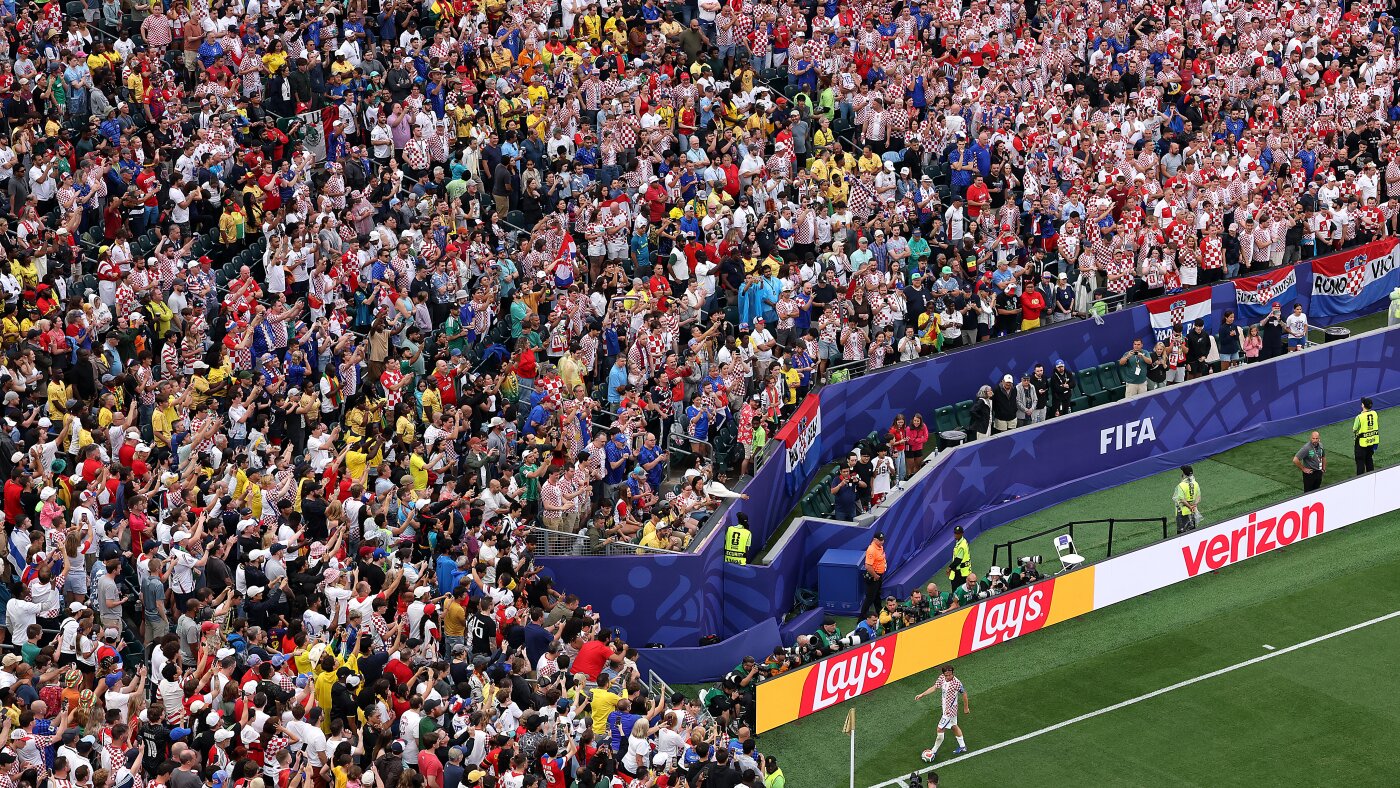
Even as the sun sets on game day, relief will be scarce. The multi-day heat wave will keep temperatures high well after dark, with overnight lows expected only in the mid 70s to low 80s. This offers little respite for players or fans who spend hours in the heat during and after the match.
Multiple other cities are also facing dangerous conditions. Games in Kansas City and Miami are expected to be affected by the heat and could linger into Sunday, when New Jersey will host a match. An analysis of past weather patterns found that more than one-third of the tournament’s matches are at high risk for dangerous heat and humidity, with Philadelphia identified as one of the highest-risk host cities.
The timing of this heat wave coincides with the knockout stage, when matches are most competitive and players exert maximum effort. The combination of intense physical exertion and extreme heat creates serious medical risks. When the body overheats during intense exercise, the consequences can be severe, even for elite athletes. Heat illness can cause dehydration, dizziness, cramping, headaches and extreme fatigue. In the most serious cases, it can lead to exertional heat stroke, a medical emergency and the third-leading cause of death in athletes.
The heat also changes how soccer is played. Players often sprint less, cover less ground and conserve energy, changing the pace and intensity of matches. Additionally, heat-induced confusion can influence a player’s decision-making ability, potentially affecting game outcomes. The global temperature has warmed roughly 1.26 degrees Fahrenheit in the last three decades since the U.S. Last hosted the World Cup in 1994, according to climate monitoring group Berkeley Earth. One of the hottest World Cup games on record was in 1994 in Orlando, Florida, when temperatures hit 110 degrees Fahrenheit.
Scientists point to climate change as a major factor intensifying current conditions. The humid heat engulfing much of North America would have been “virtually impossible” without climate change, according to the World Weather Attribution. Record-breaking heat waves are becoming more frequent as the planet continues to warm from the burning of fossil fuels.
FIFA has implemented multiple measures to protect players and spectators from the extreme conditions. The organization has installed air-conditioning units on benches for players and team staff and added extra hydration breaks. For the 2026 World Cup, FIFA initiated mandatory three-minute hydration breaks in each half of every match. In response to the heat dome, two additional hydration breaks will be added to games, bringing the total time spent pausing for hydration to 12 minutes per match. Fans are also being allowed to bring one sealed water bottle into stadiums.
Beyond the playing field, cities and stadiums have increased access to shade, cooling areas and free water for spectators and workers. Medical personnel are stationed at FIFA Fan Festivals and around stadiums to respond to heat-related illnesses. FIFA’s Fan Festival in Philadelphia has shifted its operating hours this week, including ending the Saturday watch party at the conclusion of an earlier game.
Scientists and medical experts warn that older adults and people with medical conditions should carefully consider whether to attend outdoor World Cup matches in the hottest locations this week. Older people generally sweat less and have more difficulty regulating their body temperature. People with heart disease face increased risk because hot and humid weather stresses the cardiovascular system. Many soccer fans also drink alcohol while watching, which compounds heat-related dangers.
The situation underscores growing concerns about extreme heat at future World Cups. The soccer players’ global union has warned that extreme heat will likely be a bigger problem at this and the next World Cup. The 2022 World Cup in Qatar was moved from summer to winter specifically because of extreme heat threats, and temperatures soared at last year’s Club World Cup in the United States, prompting increased attention to heat safety.
As the knockout stage unfolds across 11 American cities, millions of fans are expected to brave the heat to watch their teams compete, even as temperatures approach dangerous levels. The combination of the World Cup’s high stakes and a record-breaking heat wave has created an unprecedented challenge for tournament organizers, medical personnel, and the athletes and spectators who have come to North America to participate in soccer’s most prestigious competition.