

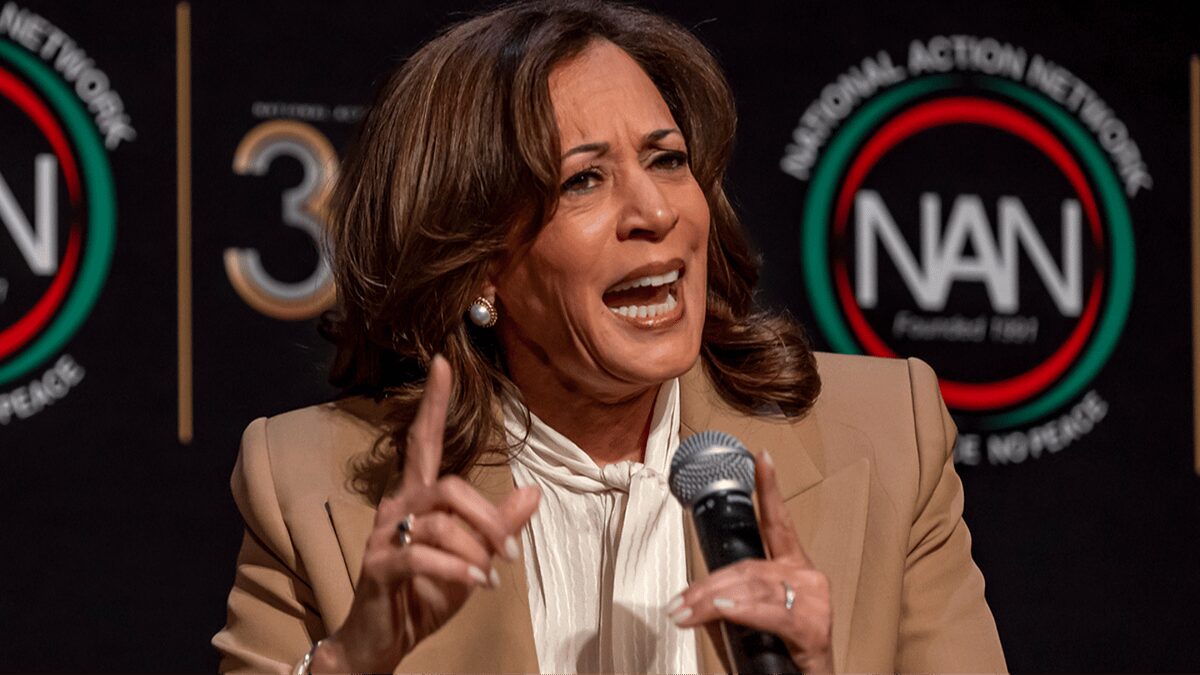
Kamala Harris appeared to leave Joe Biden out of the conversation when she was asked on Friday (July 31) to name the ‘most effective presidents in American history’.
Harris served as vice president under Biden during his administration and later became the Democratic nominee in 2024 after he exited the race.
Although she has referred to Biden as a ‘friend’ in the past, she did not mention him when the topic turned to the leaders she considers the most effective during an appearance at the National Urban League Conference in Nashville this week. Harris responded hesitantly to the question from National Urban League President Marc Morial, saying “Oh Marc, don’t make me do that,” before proceeding to name her selections.
Instead, Harris pointed first to Franklin Roosevelt and told NUL President Marc Morial:
“It was, of course, his three terms in office and of course the role of his wife, Eleanor Roosevelt, and you know he did some good things. In fact, it was he who talked about the expansion of the Supreme Court and then he got ferocious blowback for that.
“He did good, Social Security it was, you know, when I think about what he did in terms of investing in the people during dire times and talking about the role and responsibility of government that it should not just be about the benevolence of community organizations or or or just interpersonal relationships that the government has a role.”
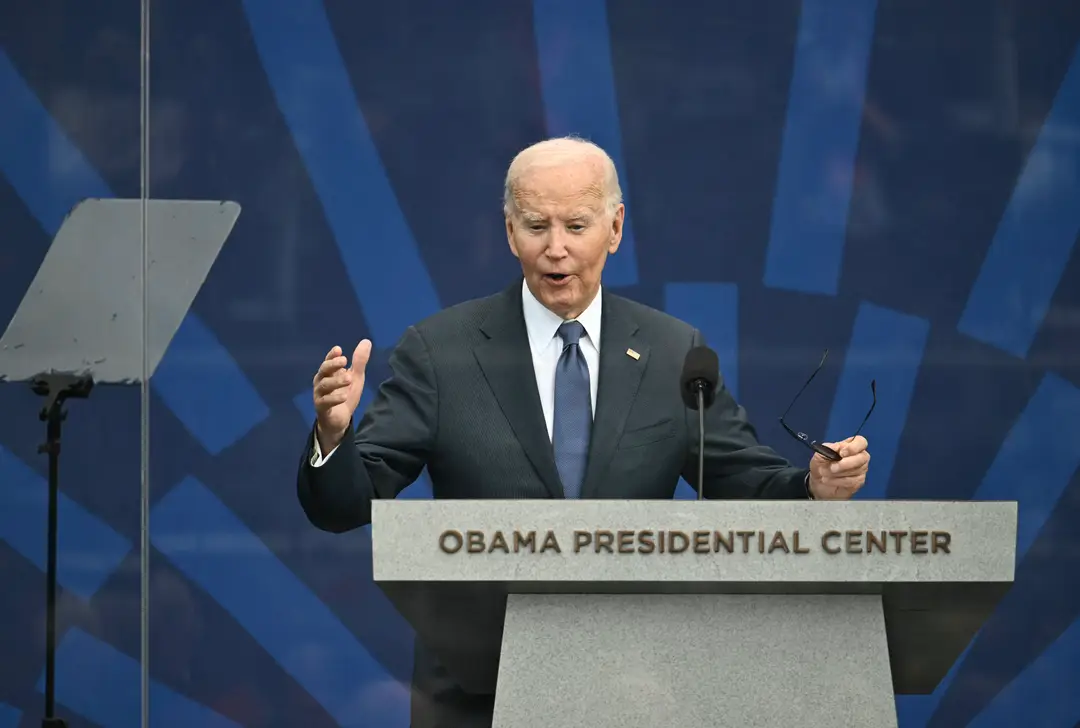
She went on to say:
“I think that he was a very important president. He, he appreciated that government has in my mind three essential functions, which is public health, public safety and public education.”
When completing her top three, Harris also selected John F. Kennedy and Lyndon B. Johnson.
She added:
“Given more time to think about it, I credit Kennedy, of course, in terms of what he laid the groundwork for and then Johnson followed up on around having the ability,”
Harris also brought up Barack Obama, highlighting in particular his record on healthcare.
The National Urban League Conference, held July 29-August 1 at Music City Center in Nashville, brought together thousands of leaders, experts, advocates and activists to discuss issues related to racial justice, economic opportunity, democracy, diversity and poverty. The conference also featured the release of the 2026 State of Black America report.
The former vice president has previously spoken about what she described as a ‘complicated relationship’ with Biden, including a call from him as she was getting ready for a televised debate against Donald Trump in 2024.
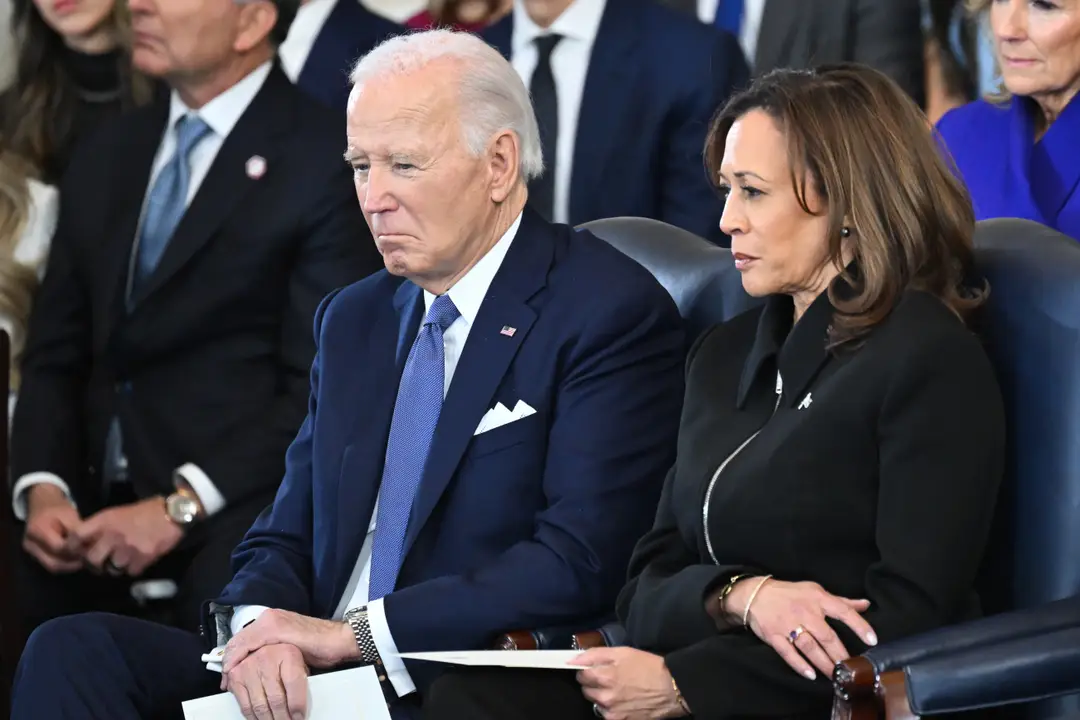
During an appearance on The Diary of a CEO podcast last year, Harris said Biden called just before the debate and told her that ‘a group of people’ had been criticizing her in the key battleground state of Pennsylvania. According to Harris, Biden mentioned that people in Pennsylvania had heard she was making negative comments about him, raising concerns about the political fallout in that critical swing state.
She said:
“I was so sure it [the phone call] was to buck me up and (say) ‘go get ’em’. When I hung up the phone I was just – it was unbelievable, and I was – yes I was angry, and deeply disappointed. It was so unnecessary,” Harris said on the podcast.
She continued:
“My takeaway is his motivation was all about himself. It wasn’t about my performance at the debate.”
Harris further explained that with only two other people having debated Trump before her—Hillary Clinton and Biden himself—the stakes of that particular debate were extraordinarily high, and a pre-debate call focused on Pennsylvania gossip felt misplaced.
Even so, Harris made clear that she still considered Biden a friend. She noted in the podcast interview that Biden had even called her on her birthday in October to wish her well.
She added:
“I have a great deal of affection for him, and there were times, that I’ve been quite candid about, where he greatly disappointed me and, frankly, angered me,” the former vice president added on the podcast.
During the National Urban League event, Harris also addressed the possibility of a future presidential run. When National Urban League President Marc Morial jokingly hinted at the possibility of her running for office again, Harris responded wittily, “2028 will not matter if we don’t win 2026,” emphasizing the importance of the upcoming midterm elections.