

Warning: This article contains a discussion of anti-semitism which some readers may find distressing.
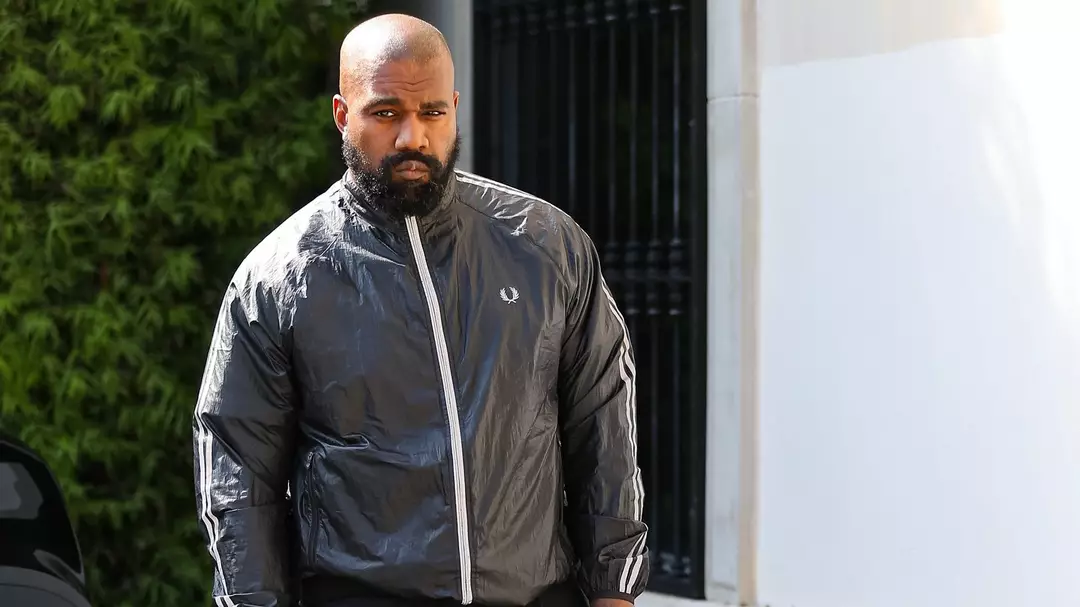
Kanye West has faced criticism regarding the sincerity of his apology, with some suggesting it might be a ‘PR move’ timed with the release of new music.
Throughout his expansive music career, West has repeatedly found himself in the midst of controversy.
In recent times, the backlash directed at him has been less about his award show behavior or political provocations and more about a series of antisemitic actions.
West, who now goes by the name ‘Ye’, garnered attention for selling T-shirts that featured a swastika and for releasing a track titled ‘Heil Hitler’.
West issued a detailed apology after purchasing advertisement space in the Wall Street Journal, where he expressed regret for his actions, acknowledging they were inexcusable, and sought to apologize to the communities and individuals he had wronged.
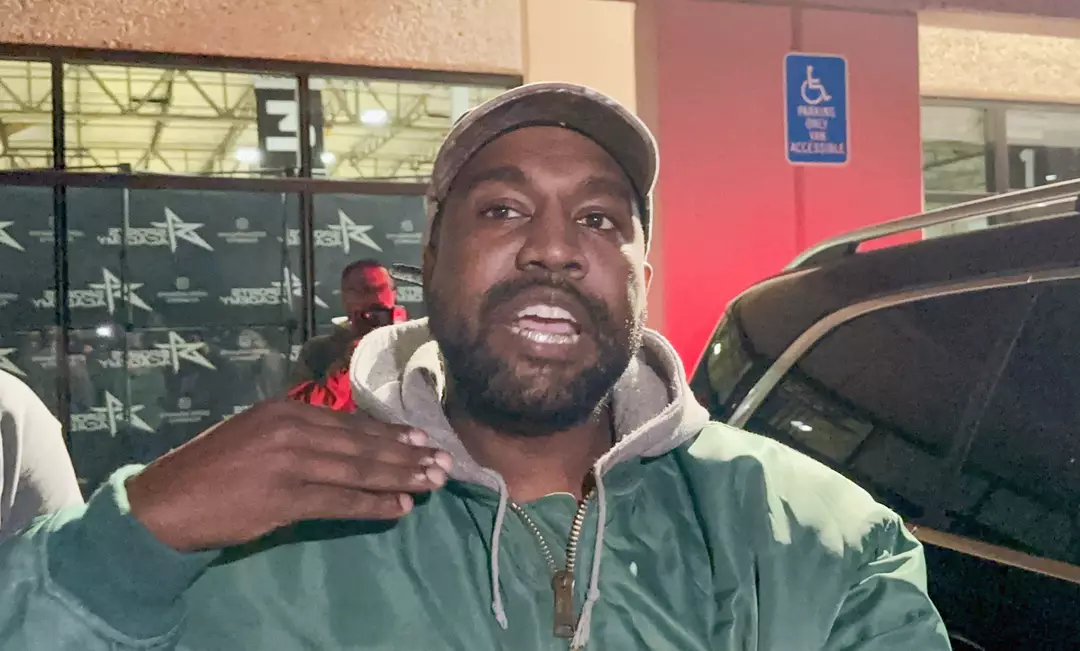
The musician attributed part of his controversial behavior to a car accident he experienced in 2002, suggesting the resultant ‘frontal-lobe injury’ was overlooked.
Having been diagnosed with bipolar disorder in 2016, the 48-year-old cited this as a contributing factor to his mental health struggles over the years.
Despite his apology, skepticism lingered, with doubts about its authenticity fueled by the timing of his upcoming music release.
West addressed these concerns in an email to Vanity Fair, firmly rejecting the notion of his apology being a publicity stunt.
His email stated: “It’s my understanding that I was in the top 10 most listened-to artists overall in the US on Spotify in 2025, and last week and most days as well. My upcoming album, Bully, is currently one of the most anticipated pre-saves of any album on Spotify too.

“My 2007 album, Graduation, was also the most listened-to and streamed hip-hop album of 2025. This, for me, as evidenced by the latter, isn’t about reviving my commerciality.
“These remorseful feelings were so heavy on my heart and weighing on my spirit. I owe a huge apology once again for everything that I said that hurt the Jewish and Black communities in particular.
“Everything went too far. I look at the wreckage of my episode and realize that this isn’t who I am. As a public figure, so many people follow and listen to my every word. It’s important that they realize and understand what side of history that I want to stand on. And that is one of love and positivity.”
If you are the victim of an antisemitic incident or you have information regarding an antisemitic incident that happened to somebody else, contact the Stand With Us Number on 310 836 6140. In an emergency, always call 911.
If you or someone you know is struggling or in crisis, help is available through Mental Health America. Call or text 988 to reach a 24-hour crisis center or you can webchat at 988lifeline.org. You can also reach the Crisis Text Line by texting MHA to 741741.