

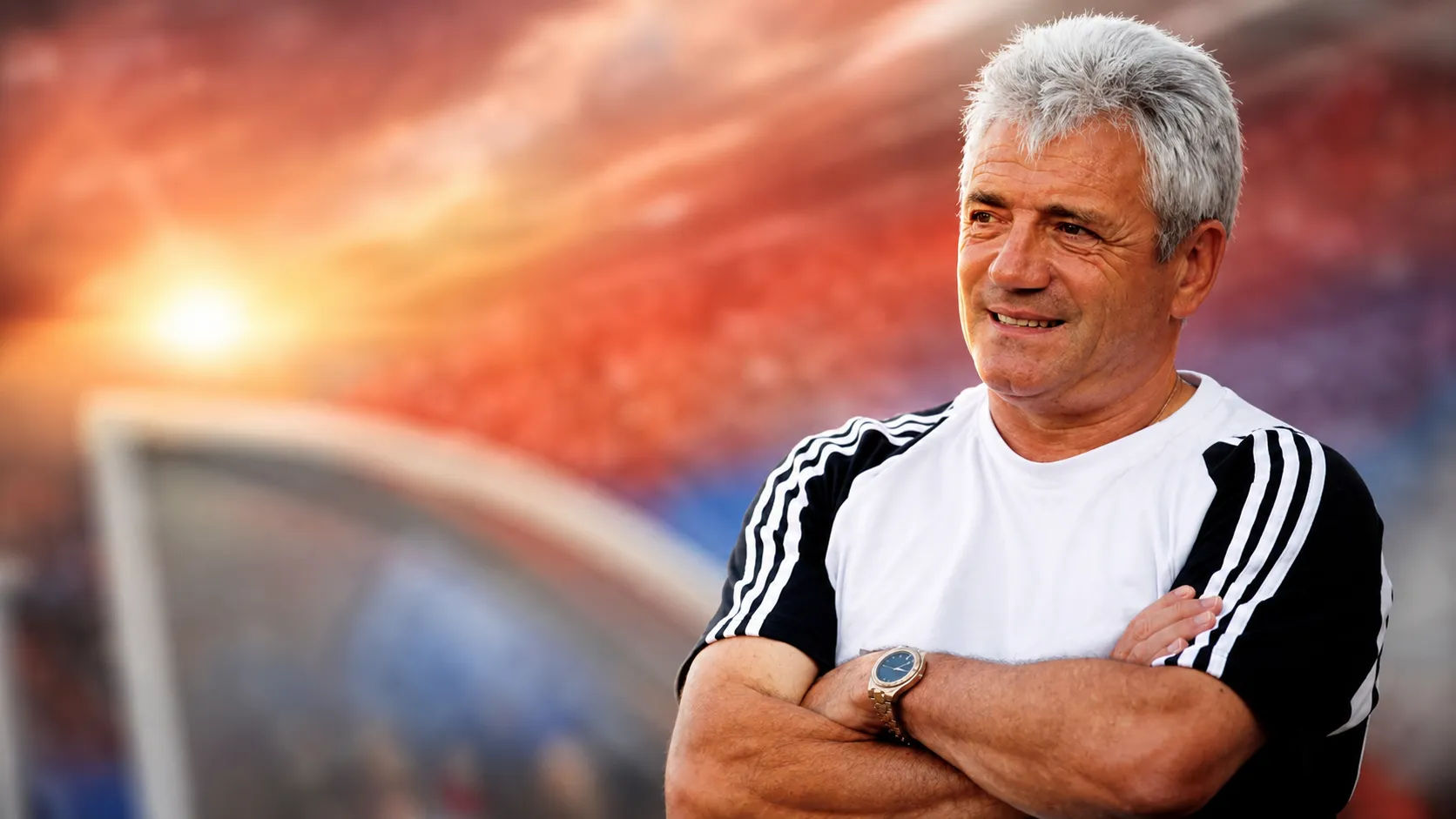
Kevin Keegan, one of England’s most celebrated soccer players and an iconic manager who brought fame and glamour to the sport off the field, has died at age 75 following a battle with cancer. His family announced his death on Monday, saying he was surrounded by his wife and daughters in his final moments.
Keegan’s passing represents the end of an extraordinary era. He first became famous in the 1970s as a brilliant and energetic player for Liverpool, where he won three First Division titles, two UEFA Cups, an FA Cup and the European Cup. With his striking poodle perm hairstyle and infectious intensity on the pitch, he became one of soccer’s first true crossover celebrities. He released a pop single in 1979 called “Head Over Heels in Love” that reached number 10 on the German charts, appeared in aftershave commercials alongside heavyweight boxing legend Henry Cooper, and opened his home for a television documentary about his life.
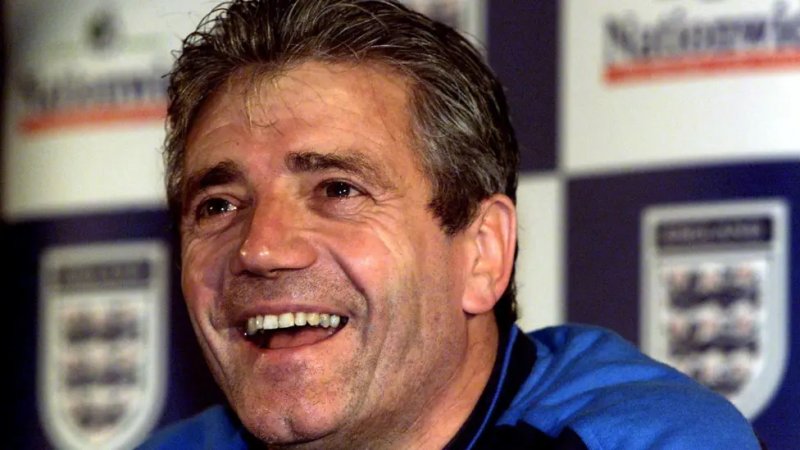
As one of just four Englishmen to ever win the Ballon d’Or, Keegan won the award in consecutive years, 1978 and 1979, while playing for Hamburger SV in West Germany. He arrived at Hamburg in 1977 as Europe’s highest-paid footballer after Liverpool set his transfer fee at 500,000 pounds, a British record at the time. Though Hamburg’s players initially resented the big-money Englishman’s arrival, Keegan won them over with his relentless work ethic and skill. He helped the German club win the Bundesliga title in 1979 and reached the European Cup final in 1980.
Keegan earned 63 caps for England and scored 21 goals. He served as captain of his country and played at the 1982 World Cup, his only appearance at soccer’s biggest tournament after England failed to qualify in 1974 and 1978. He was captain for Euro 1980, when England failed to advance from its group.
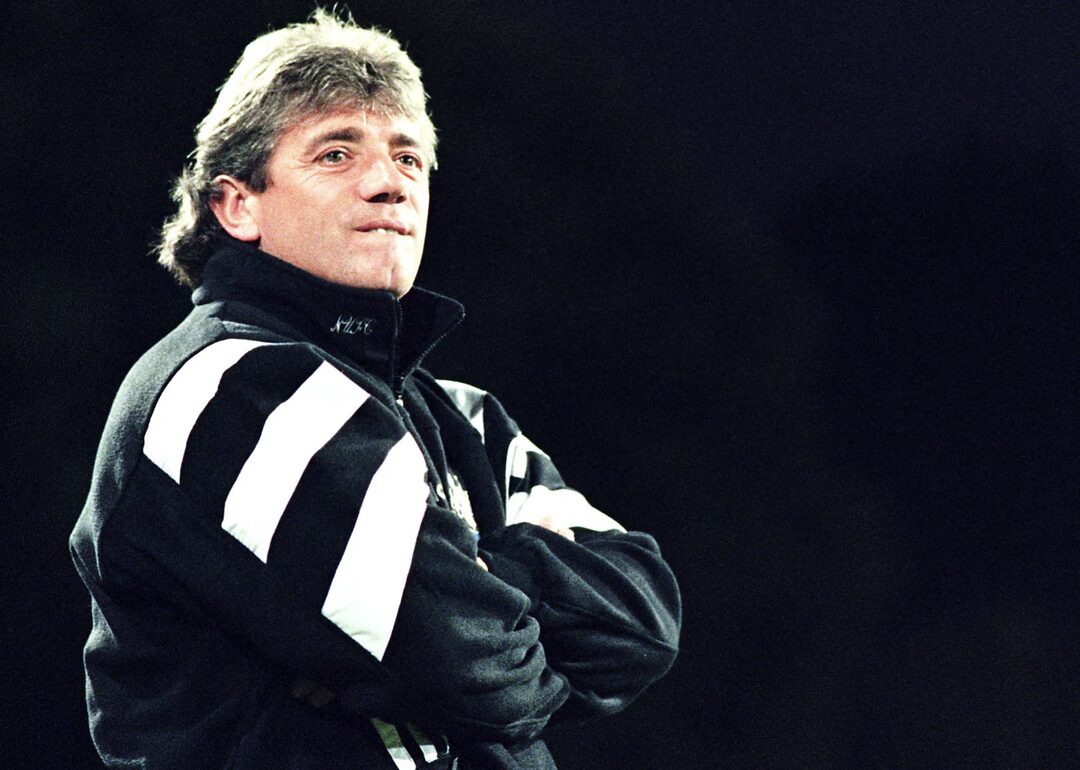
After retiring as a player in 1984, Keegan became a manager of considerable renown. He took over Newcastle United in 1992 when the club was struggling in the second division, kept them from relegation, and then led them to promotion as Division One champions in 1993. Newcastle’s swashbuckling attacking style earned them the nickname “The Entertainers,” and in the 1995-96 season they came dramatically close to winning the Premier League title, leading by 12 points in February. However, they collapsed during the run-in and finished second to Manchester United by four points. A frustrated Keegan delivered a memorable on-air outburst during the title race, famously saying “I’d love it if we beat them, love it” in reference to Manchester United’s manager Alex Ferguson.
Keegan later managed Fulham before taking charge of the England national team in 1999. His 20-month tenure ended in resignation following a disappointing Euro 2000 campaign in which England failed to advance from its group. He stepped down in October 2000 after England lost 1-0 to Germany in World Cup qualifying, the final match played at the old Wembley Stadium before its reconstruction. Keegan later acknowledged the England job was beyond his abilities, saying it was “a step too far.”
In 2001, Keegan became manager of Manchester City and led them to promotion to the Premier League as Division One champions in his first season. He remained in charge until 2005. He made a brief return to Newcastle in 2008 for an emotional but ultimately unsuccessful second stint as manager, lasting only eight months before resigning amid disputes with the club’s ownership.
Keegan was born February 14, 1951, in Armthorpe, near Doncaster in northern England, the son of a miner from the North East. He began his professional career at Scunthorpe United in 1968 before being signed by Liverpool manager Bill Shankly in 1971 for 33,000 pounds. Shankly transformed him from a midfielder into a striker, and the move proved transformative for both player and club. At Southampton, Keegan was the English league’s top scorer with 30 goals in the 1981-82 season, earning him the PFA Player of the Year award. He later joined Newcastle as a player in 1982, helping them secure promotion to the top flight in 1984 before retiring.
Keegan’s family announced in January that he had been diagnosed with cancer. In June, he revealed the diagnosis was stage four. He was awarded the OBE in 1982 for services to football. Born Joseph Kevin Keegan, he was known affectionately as “King Kev” at Newcastle and “Mighty Mouse” at Hamburg.