

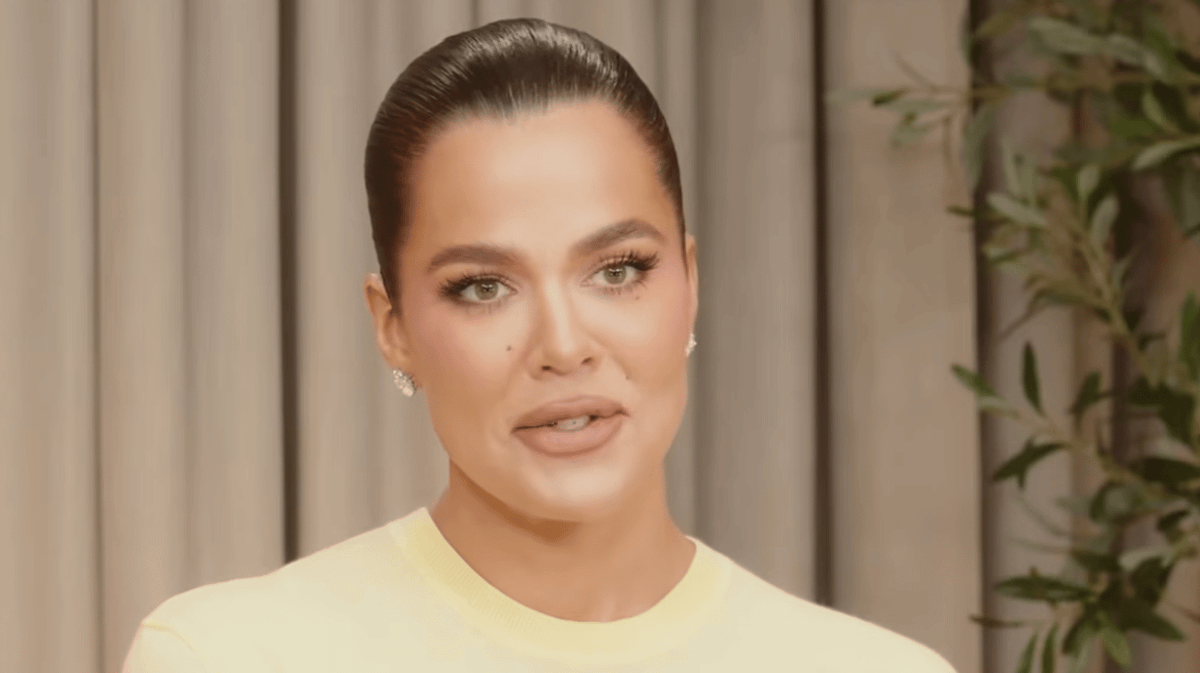
Khloé Kardashian decided to have a tattoo honoring her late father removed after a moment made her see it differently.
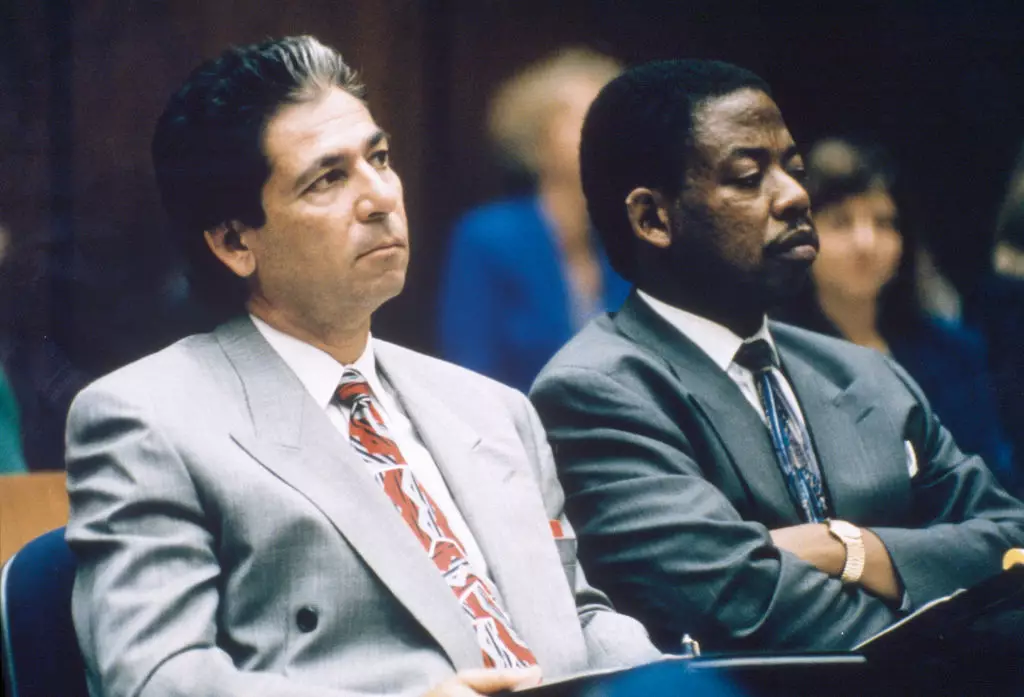
Her father, Robert Kardashian, died on September 30, 2003, aged 59, following a battle with esophageal cancer.
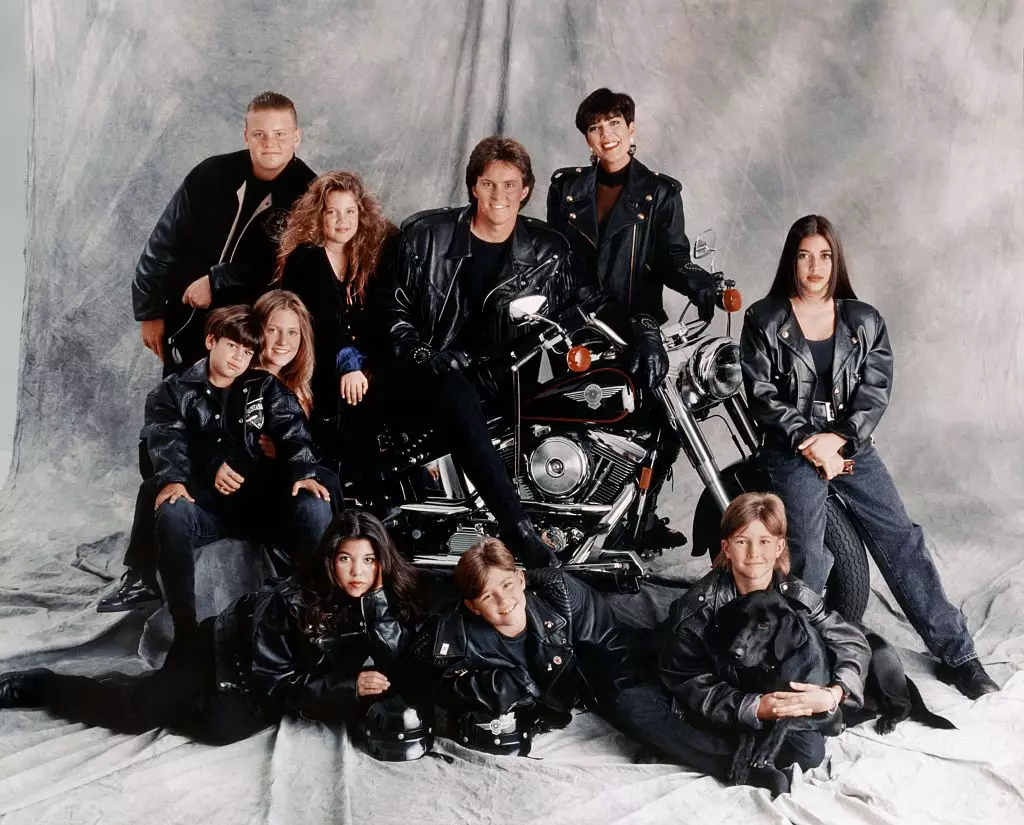
Khloé was 19 at the time of his death. Her siblings Kourtney, Kim, and Rob were 24, 22, and 16, respectively.
Robert, an attorney, was widely known for his involvement in one of the most closely watched legal cases in America: the 1995 O.J. Simpson murder trial.
He was a close friend of Simpson and joined the defense team after Simpson was charged with the murders of Nicole Brown Simpson and Ron Goldman.
Simpson was ultimately found not guilty.
To keep her dad’s memory close, Khloé got a lower-back tattoo—often referred to as a “tramp stamp.”
As she explains on her Khloe in Wonderland podcast: “It was the trend at the time. And I got a cross with angel wings and it says ‘Daddy over it.'”
But later, something someone said changed the way she viewed it.
“It was not supposed to be a sexual situation,” she added.
“It was supposed to be in honor of my dad, but being that it’s a stamp…
“I remember a guy was like, ‘Who’s your daddy?’ And I’m like, ‘Ew.'”
She concluded: “And then I was like, ‘He’s not wrong.’
“Like it just all clicked to me. So that’s being removed, but for good reason.”
Khloé has also discussed how deeply her father’s death affected her in the years that followed.
As Geo News reports, she said she was ‘incredibly angry’ for about three years after Robert died, and that she avoided talking about him because it made her break down emotionally.
She shared that being pushed—sometimes unwillingly—to speak about him on Keeping Up With the Kardashians helped her process the grief and let go of the anger.
And on a previous Khloé in Wonderland podcast epsiode, the now 41-year-old said she carried guilt about not spending more time with her dad before he died. She also explained that the guilt shifted into misplaced anger toward him for not telling her sooner that his illness was terminal—something she says she eventually worked through and came to accept.