

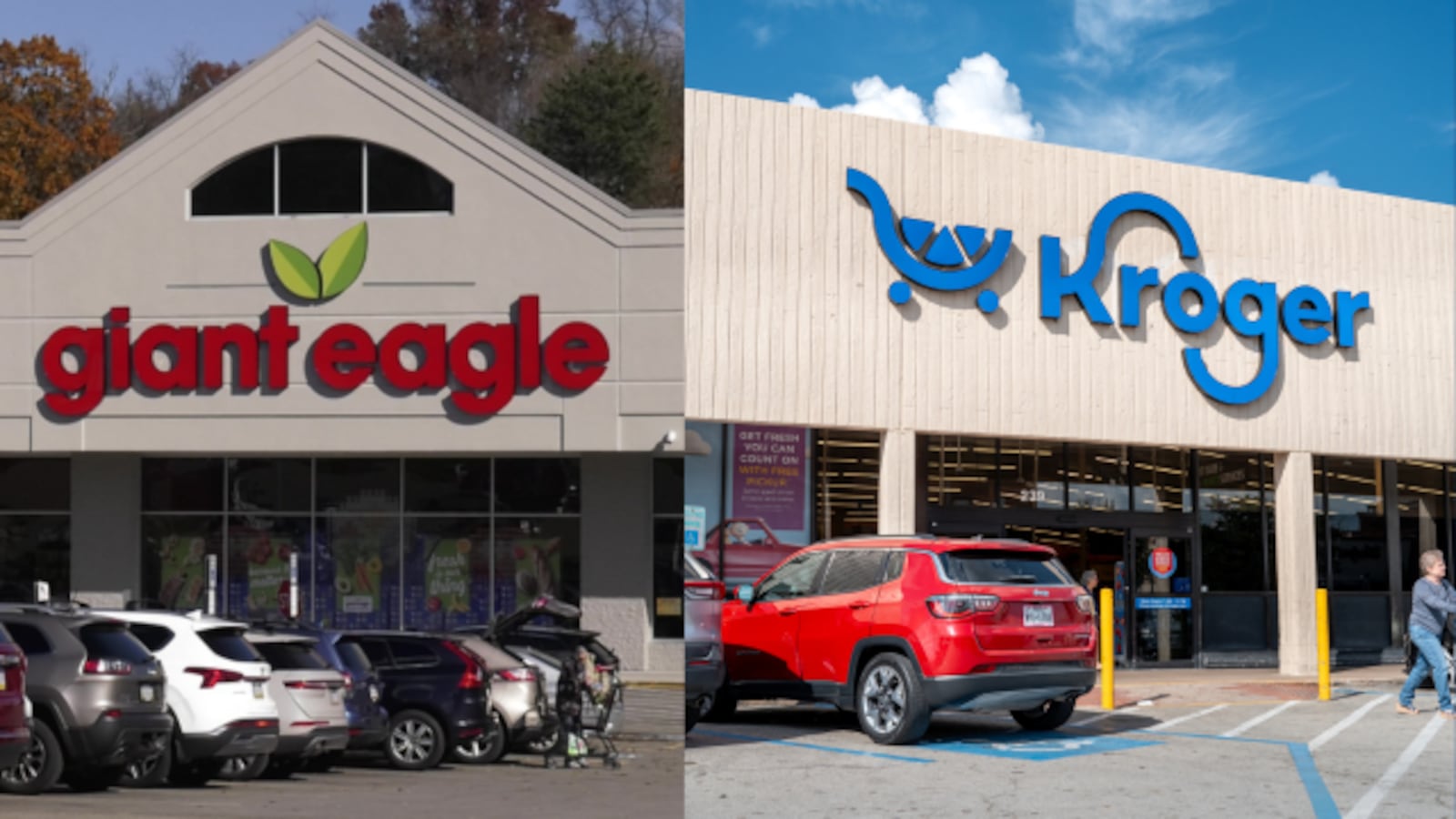
Kroger announced a major expansion into regional grocery markets with its acquisition of Giant Eagle in a transformative $1.65 billion deal announced on July 1. The purchase marks one of the largest grocery industry consolidations in recent years and represents a significant geographic expansion for the Cincinnati-based retailer into attractive new markets in the Northeast.
The acquisition adds approximately 200 stores to Kroger’s operations, including 197 supermarkets and 11 standalone pharmacies across northern Ohio, western Pennsylvania, West Virginia, Maryland, and Indiana. Giant Eagle generated about $9 billion in annual sales and serves as a leading family-owned food and pharmacy retailer in the region, known for its strong reputation for fresh products, pharmacy services, private label offerings, and customer loyalty programs.
The deal structure consists of $1.25 billion in cash paid by Kroger and approximately $400 million in assumed liabilities. Kroger will finance the transaction entirely with cash while maintaining its net total debt-to-adjusted EBITDA target range of 2.3 to 2.5x following the close. Kroger’s Board of Directors unanimously approved the transaction on the day of announcement.
Greg Foran, Chief Executive Officer at Kroger, emphasized the strategic rationale for the acquisition. “Giant Eagle is a well-run, high-quality regional grocer with a strong reputation for fresh products, pharmacy, private label and customer loyalty,” Foran said. “We evaluated the opportunity carefully, and the strategic fit is clear. Giant Eagle expands our reach into attractive adjacent markets, allowing us to do what we do best: Run outstanding stores, deliver fresh foods and convenient meal solutions at affordable prices, and take care of our customers and associates every single day.”
Giant Eagle, founded in 1931, has remained a privately held, family-owned business controlled by descendants of its five founding families: Goldstein, Porter, Chait, Moravitz, and Weizenbaum. The company recently divested its GetGo convenience store chain to Alimentation Couche-Tard and has been focusing on strengthening its core grocery and pharmacy operations. Bill Artman, CEO at Giant Eagle, expressed optimism about the merger. “Today’s announcement marks an exciting next chapter for our Team Members, customers, vendors and community partners,” Artman said. “Together with Kroger, we will be well-positioned to advance our strategy and deliver better quality and service, better everyday value, and a better shopping experience for our customers, while providing greater growth opportunities for our dedicated Team Members.”
The transaction is expected to close in 2027, subject to regulatory approval and customary closing conditions. Kroger and Giant Eagle anticipate that some store divestitures will be required to obtain regulatory clearance under the Hart-Scott-Rodino Antitrust Improvements Act. Both companies expect these divestitures to be limited in scope. The acquisition is expected to be accretive to adjusted earnings per diluted share in the second full year after closing, excluding one-time transaction and integration costs.
Kroger said it plans to bring its Zero Hunger | Zero Waste impact plan to new communities where Giant Eagle operates. The company has committed to maintaining its dividend, subject to board approval, and continuing its previously announced $2 billion share repurchase program while preserving financial flexibility to invest in strategic priorities and core business operations.
The deal represents a significant step in ongoing industry consolidation. Giant Eagle’s market position, particularly its strong presence in Ohio and Pennsylvania, fills geographic gaps for Kroger and provides access to growing regional markets. The acquisition reflects broader trends in the grocery industry where larger chains seek scale and geographic reach to compete more effectively against national retailers and discount chains.
It remains unclear whether Giant Eagle stores will retain their branding following the acquisition or be transitioned into Kroger banners, though the transaction structure suggests Kroger will have considerable flexibility in determining the ultimate brand strategy for the acquired locations. The deal was advised by RBC Capital Markets and Jones Day, while Giant Eagle was advised by Wells Fargo and WilmerHale, with Troutman Pepper Locke serving as local counsel.