

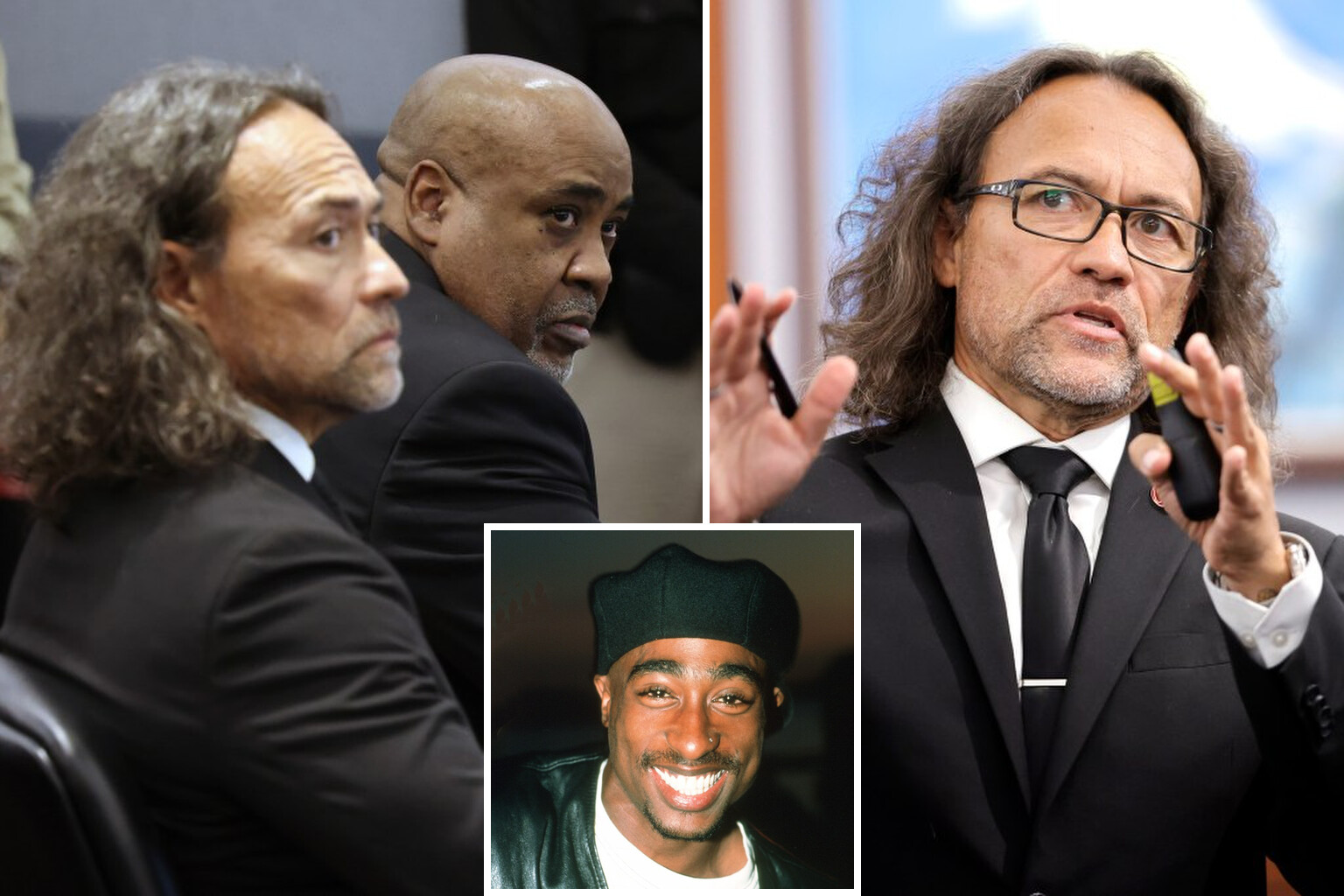
Michael Sanft, the Nevada defense attorney who represented Duane “Keffe D” Davis in the Tupac Shakur murder trial, was found dead in his Las Vegas home on Friday morning.
Sanft, 55, had filed a notice of appeal challenging Davis’ murder conviction just one week before his body was discovered, according to court records. His friend Michael Sloan confirmed the death to the Las Vegas Review-Journal. Police told the outlet that Sanft’s death does not appear suspicious, though his cause and manner of death remain pending.
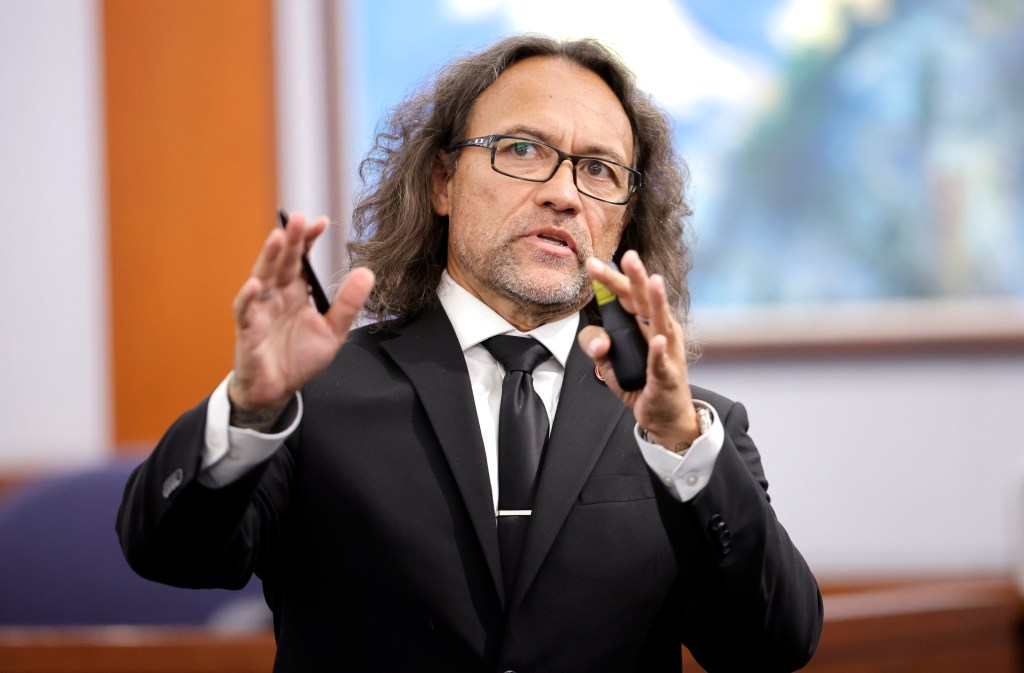
The appeal filing came on Oct. 30, barely two weeks after Davis, 63, was sentenced to 40 years to life in prison on Oct. 13. A jury had convicted him of first-degree murder with the use of a deadly weapon for orchestrating the 1996 killing of Shakur, who was 25 when he was shot four times in a Las Vegas drive-by attack and died six days later.
Sanft had defended Davis pro bono and stood by his team’s efforts even after the guilty verdict.
“We had the best team possible in this case, from the motion practice work on this appeal to our investigator to our firm here at SOS Injury. We all did our part. I don’t see what I could’ve done differently,” Sanft told FOX5 after the verdict.
He also shared details of a conversation with Davis following the jury’s decision.
“He had reminded me this is phase one. Because I was upset with the verdict, I was very disappointed in the jury,” Sanft said. “Mr. Davis was the one who said, ‘Don’t worry about it, man, this is the first phase,’ and I said, ‘I understand, I hate to lose.'”
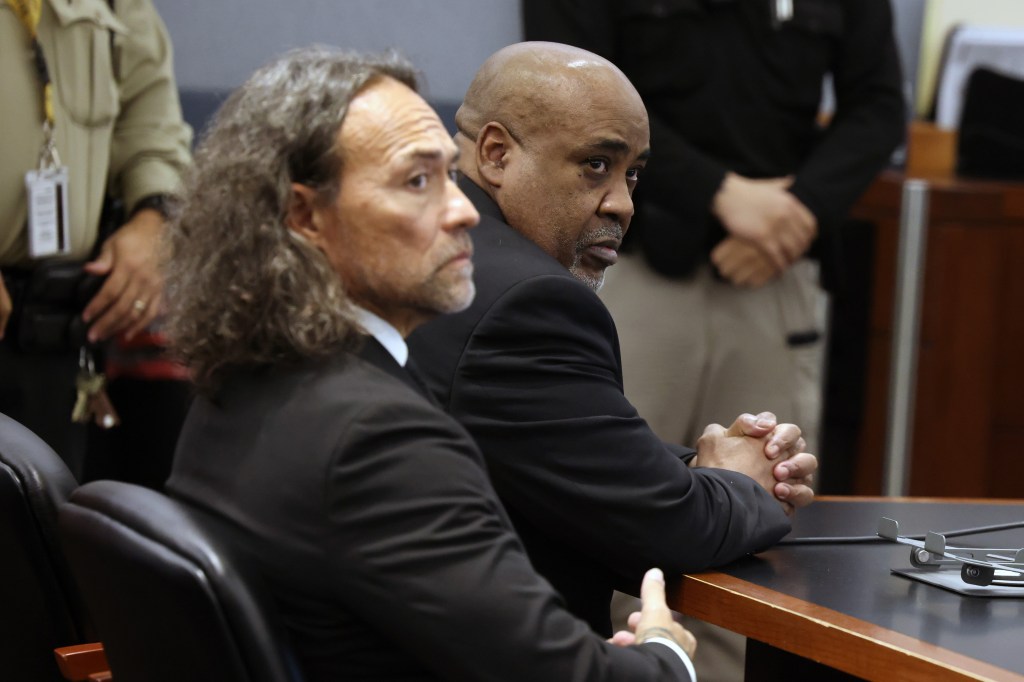
Davis became the first person ever charged in connection with Shakur’s murder, though he had repeatedly discussed his involvement for years. He claimed credit for the killing in his 2019 memoir and had initially owned up to the crime while attempting to avoid potential charges in 2008. Prosecutors argued that Davis masterminded the ambush, while his nephew Orlando Anderson fired the fatal shots. Anderson had been beaten by Shakur inside the MGM Grand casino on the Las Vegas Strip just hours before the shooting. Anderson himself was killed in a shootout two years after Shakur’s death.
Davis had spent decades publicly discussing the murder before prosecutors finally moved forward with charges.
Sanft’s death cuts short the beginning of what he had framed as a multi-phase legal fight, with the appeal representing the next step after a trial that ended in a conviction many years after the crime itself.
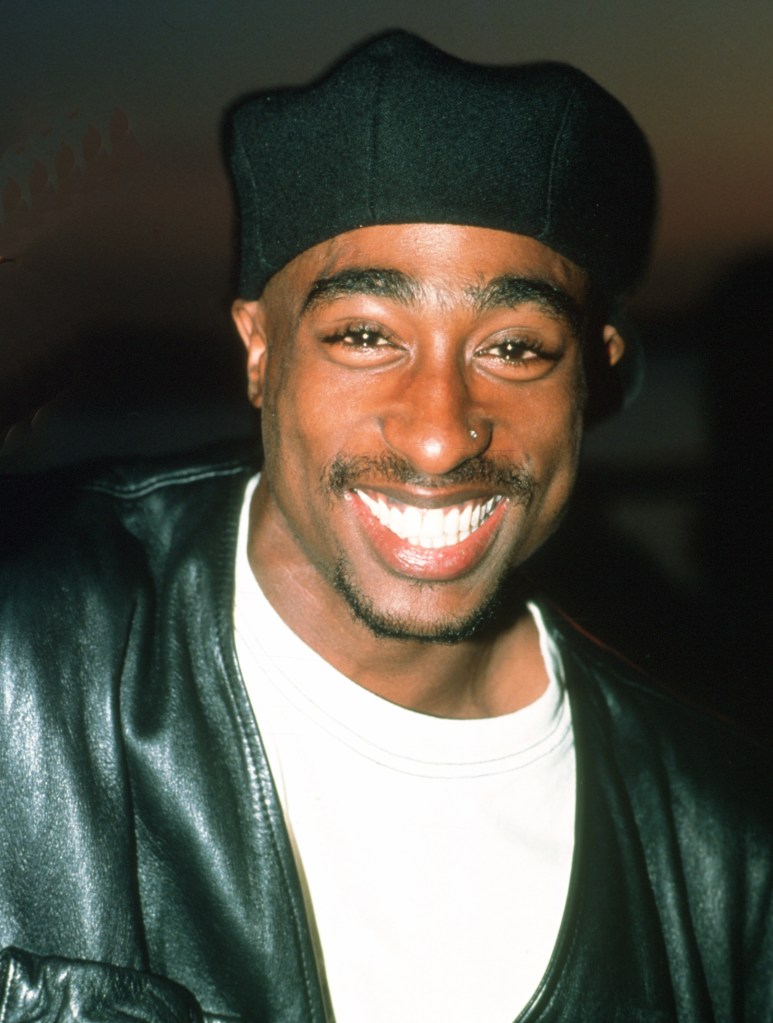
The case had drawn renewed national attention as the only prosecution connected to one of hip-hop’s most infamous unsolved killings, and Sanft had positioned himself as prepared to continue challenging the outcome through appellate channels.