

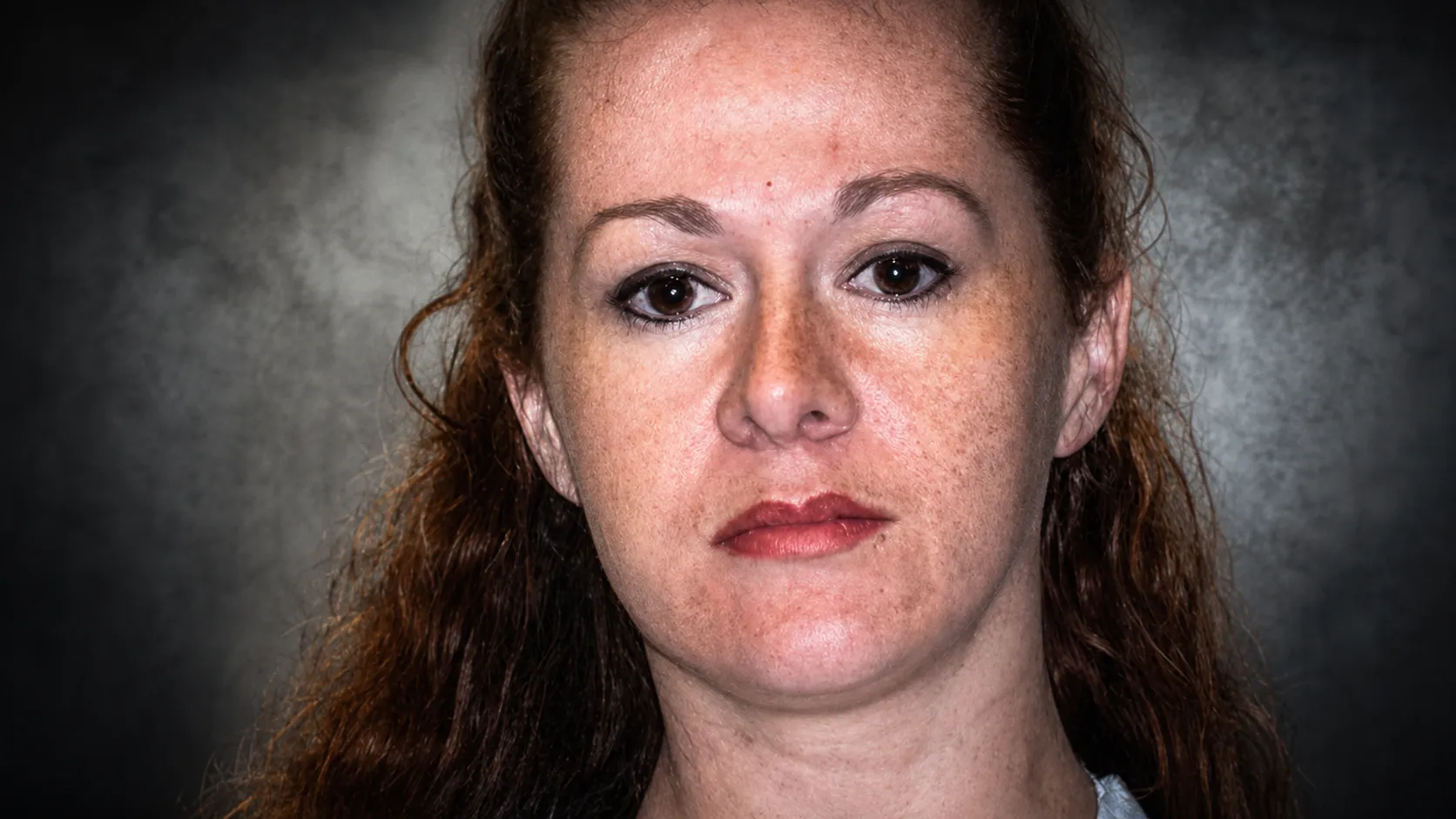
An attorney for a death row prisoner due to be executed later this year has made a new appeal after the halted execution of another Tennessee inmate last month.
Christa Gail Pike is scheduled to be executed on September 30, 2026, after being convicted of the 1995 murder of Colleen Slemmer. If it goes ahead, she would become the first woman executed in Tennessee in more than 200 years, and the first woman executed by a U.S. State in more than two centuries.
Prosecutors said Pike and two other people persuaded Slemmer to go into woodland in Knoxville, where she was beaten, stabbed and bludgeoned. A pentagram was also carved into her chest.
It was alleged that Pike believed Slemmer was attempting to take her boyfriend.
Slemmer’s remains were later discovered by a groundskeeper, who told the court that the injuries were so severe he initially believed he had found an animal carcass.
Pike’s lawyer, Stephen Ferrell, has now raised concerns ahead of the planned execution and is asking the state to reconsider.
“We are particularly concerned given Christa Pike’s blood condition thrombocytopenia, which leads to excessive bleeding, as well as her small veins which make the insertion of a needle difficult, even for the most trained medical professionals.”

Ferrell also warned that problems inserting IV lines have long been linked to executions that became extended or went wrong.
“Pike’s unique condition would cause a bloody froth in her lungs that would amount to drowning.
“Since the state released the 2025 execution protocol, defense counsel, medical experts, and advocates have warned that the lack of clarity on any number of issues would result in a torturous execution.”
The renewed request follows the halted execution of Tony Carruthers on May 21, when prison staff were unable to establish a backup vein for the lethal injection procedure despite more than an hour of attempts.
According to the Department of Corrections, medical staff were able to set up a primary IV line at the beginning, but they were unsuccessful in securing a backup line.

“The team continued to follow the protocol, but could not find another suitable vein. The team attempted to insert a central line pursuant to the protocol, but the procedure was unsuccessful,” a statement read
“The execution was then called off.”
Casey Stubbs, director of the ACLU’s Capital Punishment Project, later described the halted execution as ‘barbaric’, according to the Commercial Appeal.
Tennessee Governor Bill Lee has since granted Carruthers a reprieve, postponing his execution for one year.
Ferrell and co-counsel Luke Ihnen filed a new motion in the Tennessee Supreme Court on June 12, asking the court to appoint a special master to examine whether the state can carry out Pike’s execution constitutionally under its current lethal-injection protocol. The filing argues that Pike’s medical and mental health conditions, including thrombocytopenia, bipolar disorder, PTSD and difficult veins, create a substantial risk of severe pain and suffering under the protocol.
The attorneys have also pointed to the state’s 2024 switch to pentobarbital-based executions and to the recent Carruthers case as evidence that Tennessee’s execution system is unreliable.
Pike has already mounted separate legal challenges to the protocol, including claims that it violates her constitutional rights and religious beliefs. The state Supreme Court previously denied her request for a commutation and set her execution date for September 30, 2026.