

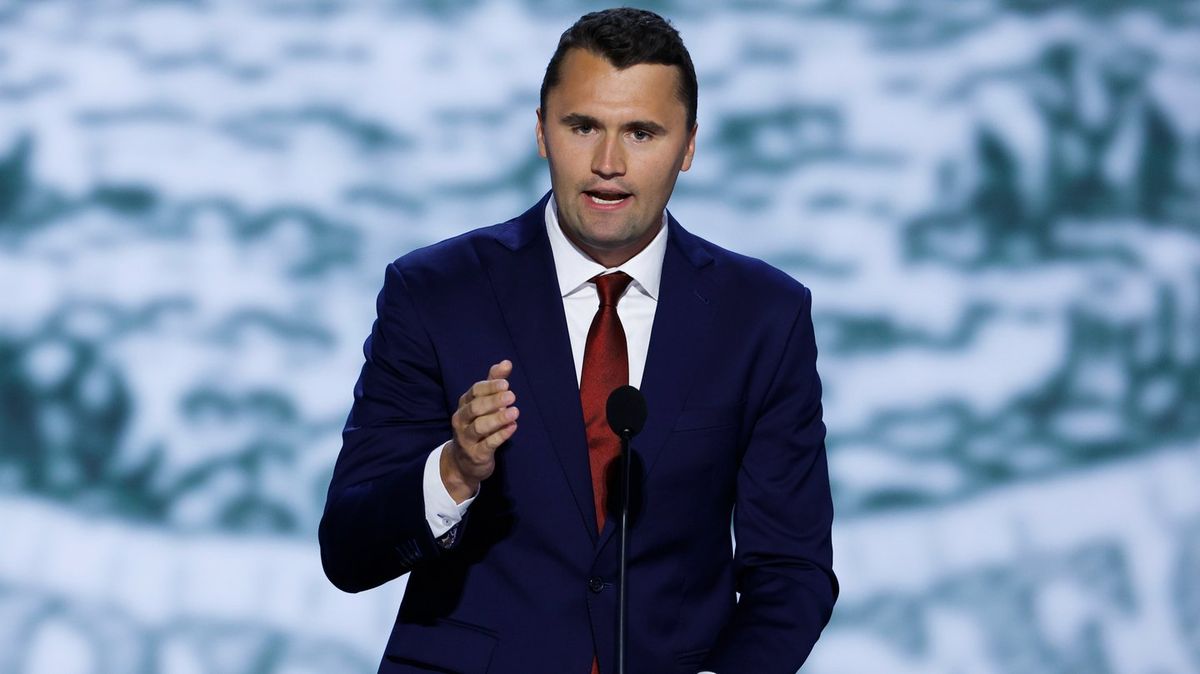
Attorneys for Tyler Robinson say a firearms review indicates the bullet recovered during Charlie Kirk’s autopsy after his assassination may not be definitively tied to the rifle investigators say was located near the scene.
Kirk was shot and killed on September 10, 2025, and Robinson, 22, has since been charged in connection with his death.
After a nationwide search for the suspect, Robinson later surrendered to law enforcement.
A preliminary hearing is currently scheduled for May, though Robinson’s defense has requested a delay, arguing they need additional time to sift through a large volume of case material.
Fox News reports prosecutors delivered more than 600,000 files to the defense on March 12, and a reviewer suggested it could take up to six months to fully examine the records.
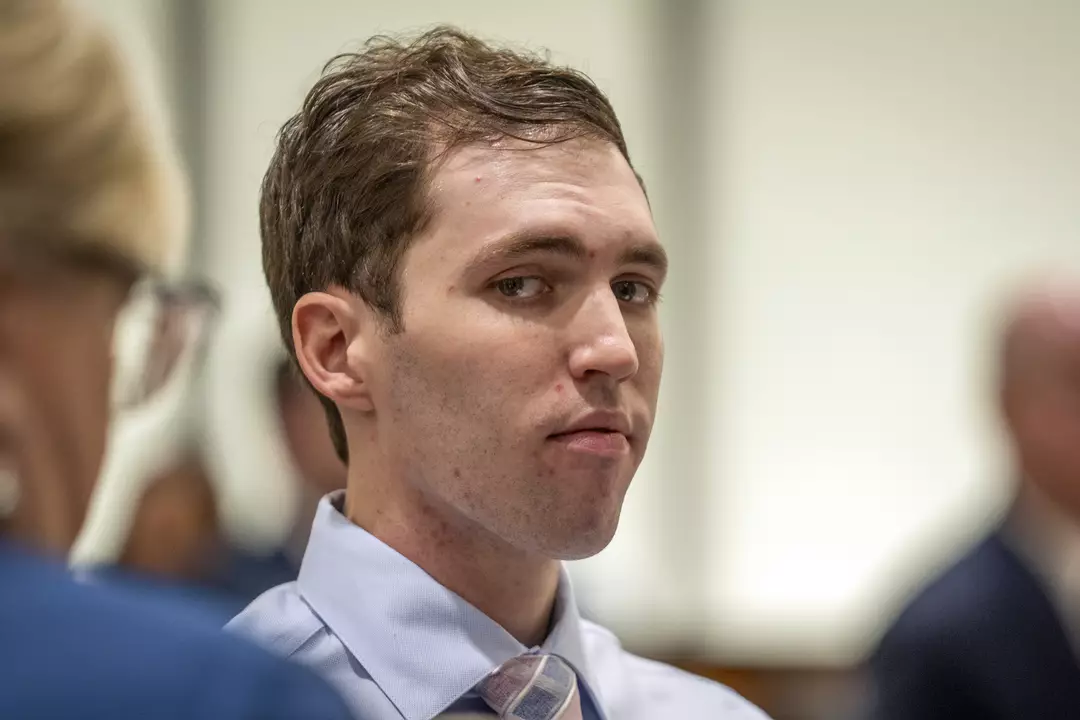
Among the materials the defense wants to analyze are reported findings from the Bureau of Alcohol, Tobacco, Firearms and Explosives that could “not conclusively connect a bullet fragment recovered during an autopsy to the rifle found near the scene,” according to POLITICO.
Additional testing is reportedly being carried out by the FBI.
The firearm at issue is described as a Mauser model 98, and POLITICO reports it carried Robinson’s DNA. The weapon is said to have belonged to Robinson’s grandfather.
The bullet evidence is expected to be central to determining who fired the fatal shot. As POLITICO notes, specialists typically examine bullets for “microscopic markings that are left on a bullet as it passes through the gun’s barrel.”
Those patterns are generally considered specific to an individual barrel.
Robinson has not yet entered a plea. His attorneys have signaled they may rely on the ballistics findings in his defense if testing ultimately indicates the autopsy bullet does not match the rifle tied to him.
Prosecutors, meanwhile, are working to build a case for trial and are pursuing the death penalty.
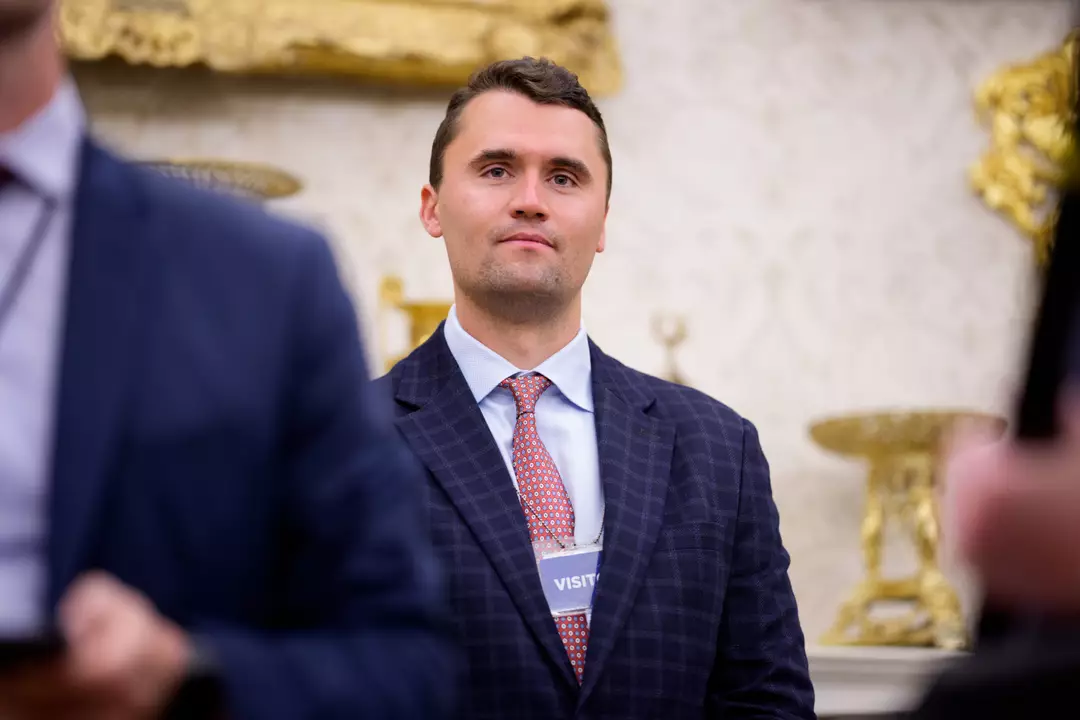
The latest request from Robinson’s legal team follows an earlier effort to disqualify a prosecutor. The defense argued there was a conflict because the prosecutor’s daughter attended the Utah Valley University event where Kirk was killed.
Judge Tony Graf rejected that request last month.
“Because defendant has not established a factual basis for a finding of conflict of interest or an objective appearance of impropriety, rising to a constitutional concern, his motion is respectfully denied,” he said in his response.
“In sum, the defendant has not shown that there is a significant risk that Mr. Gray’s loyalty to his daughter has or will materially limit representation of the state. Nor has defendant demonstrated that his due process rights are compromised by the continued prosecution of this case by the Utah County Attorney’s Office.”