

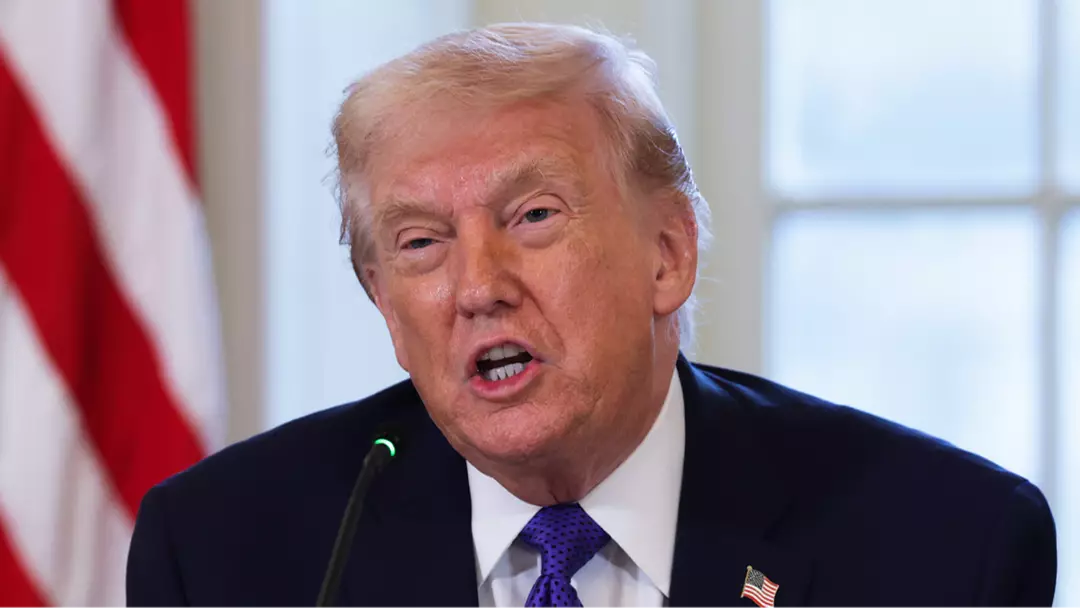
An ambitious proposal by President Trump to significantly reduce credit card interest rates has been met with caution from major financial institutions, with less than a week before the policy’s expected rollout.
The initiative aims to impose a 10 percent cap on credit card interest rates starting January 20, as part of efforts to alleviate the rising costs associated with credit card usage—a service used by the majority of Americans.
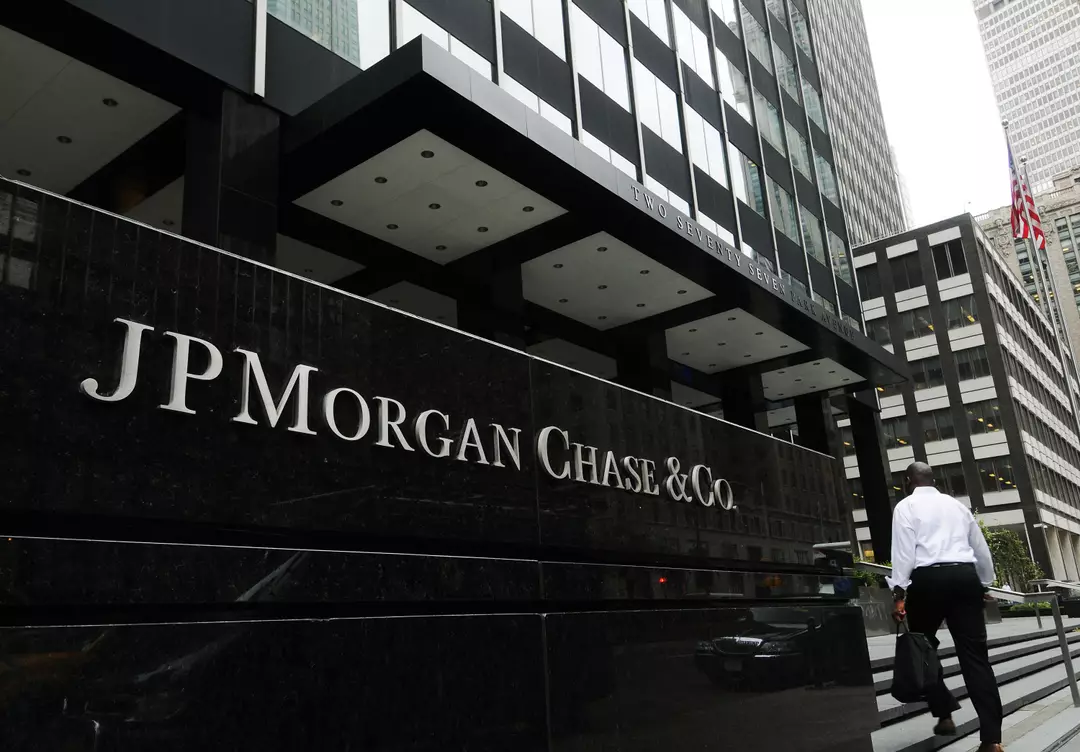
However, JP Morgan’s Chief Financial Officer, Jeremy Barnum, has expressed concern that the plan, although designed to protect consumers from soaring interest rates, could have unintended negative consequences on the economy.
The proposal may lead to a decrease in the availability of credit cards, despite lower interest rates.
“Instead of lowering the price of credit, we’ll simply reduce the supply of credit — and that will be bad for everyone,” Barnum stated during a press call regarding the bank’s recent quarterly performance (via CNBC).
As interest rates on credit card debt have surged over recent years, with averages near 20 percent, many Americans face even higher rates on store-specific cards and subprime options.
Financial institutions are currently evaluating how to respond to the plan, which could render many credit card offers unprofitable for banks, especially for customers who presently meet lending criteria.
This stems from the industry’s reliance on interest margins to counterbalance risks like fraud and defaults, making these margins essential for maintaining profitability.
JP Morgan, the leading credit card issuer in the U.S. with over $1.2 trillion in consumer debt, has made it clear through Barnum that the banking sector may oppose the plan: “If you wind up with weakly supported directives to radically change our business that aren’t justified, you have to assume that everything’s on the table.”
Currently, there are no caps on credit card interest rates, which are generally influenced by Federal Reserve policies.
Similar initiatives have seen bipartisan support, such as the halted attempts by Senators Hawley and Sanders to cap rates at 10 percent.
If banks proceed with threats to issue fewer credit cards due to the proposed changes, it could significantly affect credit-driven consumer spending, a key component of the economy.
“Our belief is that actions like this will have the exact opposite consequence to what the administration wants for consumers,” Barnum warned.
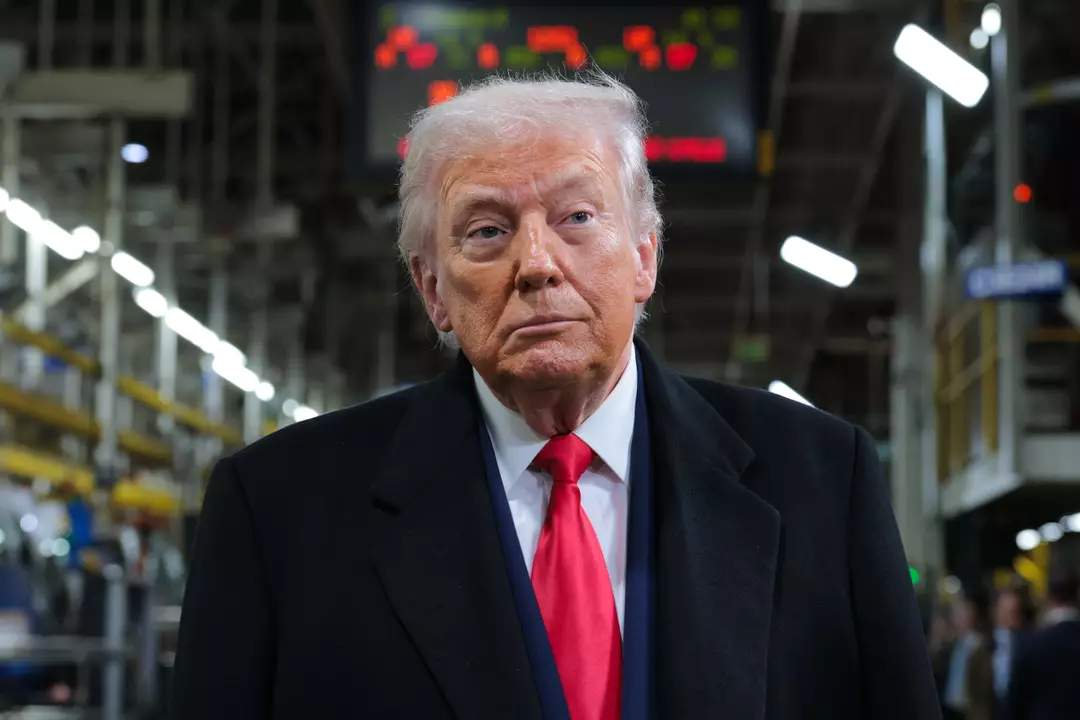
With the policy’s implementation date looming, President Trump appears intent on enacting the measure to coincide with the first anniversary of his second term.
Trump contends that banks risk legal repercussions if they fail to comply with the new regulations, asserting: “Some of them are charging 28, almost 30%.
“People don’t know they’re paying 30%. They’re working and have no idea they’re paying 30%.”