


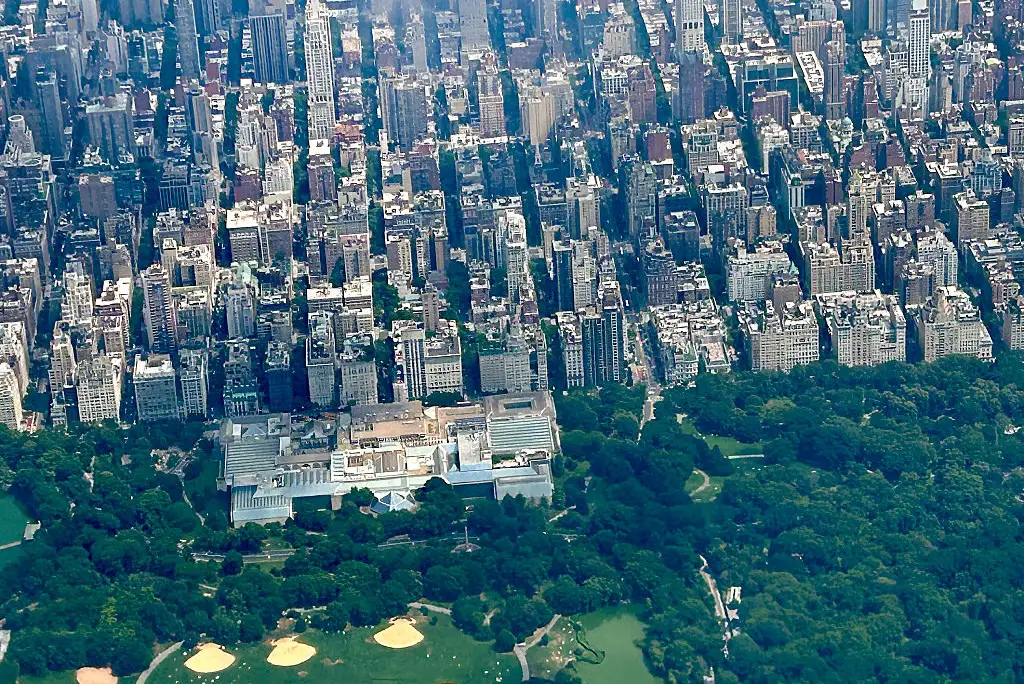
A growing outbreak of Legionnaires’ disease is spreading across Manhattan’s Upper East Side, with health officials reporting 23 confirmed cases as of Monday, including 17 hospitalizations. The cluster, which began with just two cases announced on July 2, has raised alarm among city health authorities and residents in the affected neighborhoods, though no deaths have been reported so far.
The outbreak has been identified in three zip codes—10028, 10128, and 10075—spanning the Carnegie Hill and Yorkville neighborhoods from approximately 76th Street to 96th Street. The rapid growth of cases prompted city health officials to expand the investigation area and have advised anyone who visited the east side of Central Park between East 76th and East 97th Streets since late June to monitor for symptoms.
Legionnaires’ disease is a severe form of pneumonia caused by Legionella bacteria, which thrive in warm water environments. People contract the illness by breathing in mist or water vapor contaminated with the bacteria, most commonly from cooling towers atop large buildings. The disease is not contagious from person to person and cannot be spread through drinking water or bathing. Residents in affected areas can safely shower, drink tap water, cook, and use air conditioning in their homes.
Symptoms of Legionnaires’ disease resemble other types of pneumonia and typically emerge two to ten days after exposure. People may experience fever, chills, muscle aches, cough, headache, fatigue, loss of appetite, confusion, and diarrhea. The disease can be fatal if left untreated, but responds well to antibiotics when diagnosed and treated early. Health officials estimate that about one in ten people who develop the disease will die from complications, though rates are higher for those hospitalized in healthcare facilities.
Certain populations face heightened risk. People over 50 years old, smokers and vapers, those with chronic lung disease, and individuals with weakened immune systems are more vulnerable to developing severe complications. Health officials have advised these high-risk groups to seek immediate medical attention if they experience respiratory symptoms such as fever, cough, or difficulty breathing.
City health officials believe a contaminated cooling tower in the affected area is the likely source of the outbreak. Cooling towers, which are part of air conditioning systems in large buildings, pump warm water out as a fine mist or vapor that can carry bacteria over several city blocks. The outbreak intensified during a recent heat wave, when higher temperatures encourage Legionella bacteria to multiply in water systems.
The investigation is ongoing as city health officials work to identify the specific contaminated cooling tower. As of Monday, officials had tested only about one-third of approximately 160 cooling towers in the affected neighborhoods. Health officials have sent samples to the NYC Public Health Lab, where cultures must grow over several weeks before results can be confirmed. Some cooling towers have already tested positive for Legionella bacteria, but officials have not yet identified which one or ones are causing the outbreak.
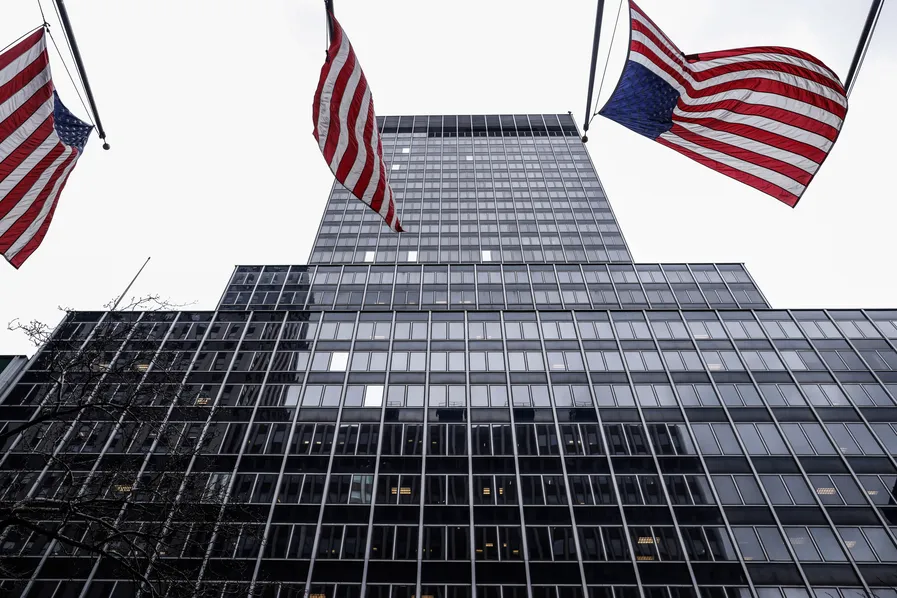
Any building whose cooling tower tests positive for Legionella bacteria has been ordered to conduct thorough disinfection and remediation within 24 hours. New York City implemented stricter cooling tower regulations in May, requiring building owners to test their cooling towers every 31 days instead of the previous 90-day requirement. The new regulations followed last summer’s deadly outbreak in Central Harlem that killed seven people and sickened over 100 residents.
City Health Commissioner Dr. Alister Martin emphasized that the department’s primary focus is treating cases rapidly rather than waiting to definitively identify the source. “The real goal is to treat anything that looks like Legionella,” Martin said. Doctors across the city have been alerted to test patients with pneumonia-like symptoms who have been in the affected area.
The outbreak comes less than a year after the Central Harlem cluster, which became one of the city’s worst health crises in recent years. That outbreak was eventually traced to cooling towers at Harlem Hospital and a nearby construction site. Officials expressed concern that the Upper East Side outbreak could follow a similar trajectory if the source is not quickly identified.
Health officials have held town hall meetings to inform residents and answer questions about the outbreak. Residents in affected areas are urged to monitor for flu-like symptoms and seek immediate medical care if they become ill. The NYC Health Department has established a hotline at 311 or 844-NYC-4NYC for residents who need help finding a healthcare provider, regardless of immigration or insurance status.
Scientists are conducting genetic analysis of the Legionella bacteria from patients and cooling towers in an attempt to match strains and identify the source. However, officials noted this matching process can take considerable time. In the interim, the health department continues systematic testing of all cooling towers in the investigation zone while treating any identified cases with antibiotics.