

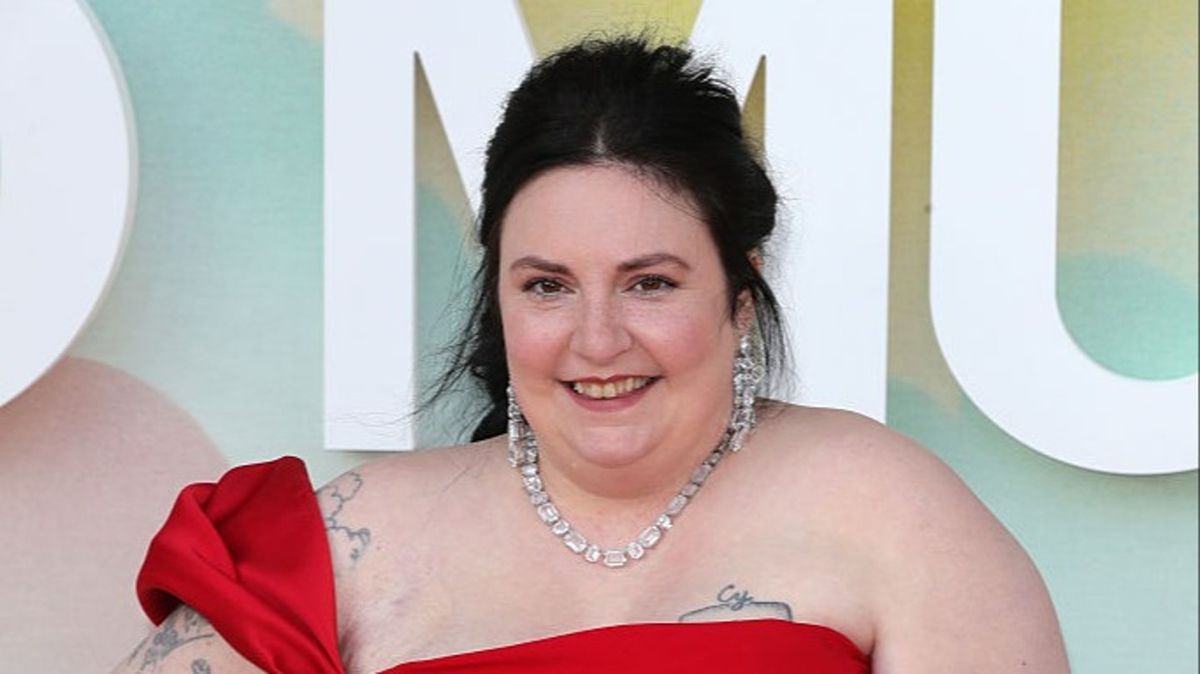
Lena Dunham’s new memoir, Famesick, arrives today, landing after a week of headline-making interviews that revisit her rapid ascent and the intense scrutiny that followed.
Dunham created and led HBO’s Girls, the six-season series that ran from 2012 to 2017 and traced the complicated, broke, and often chaotic lives of four millennial women—an era of online discourse many now view as especially corrosive.
In Famesick, Dunham writes about experiencing that hostility firsthand, with her looks and her legitimacy as a writer repeatedly picked apart across social media and forums during some of the internet’s most punishing early years.
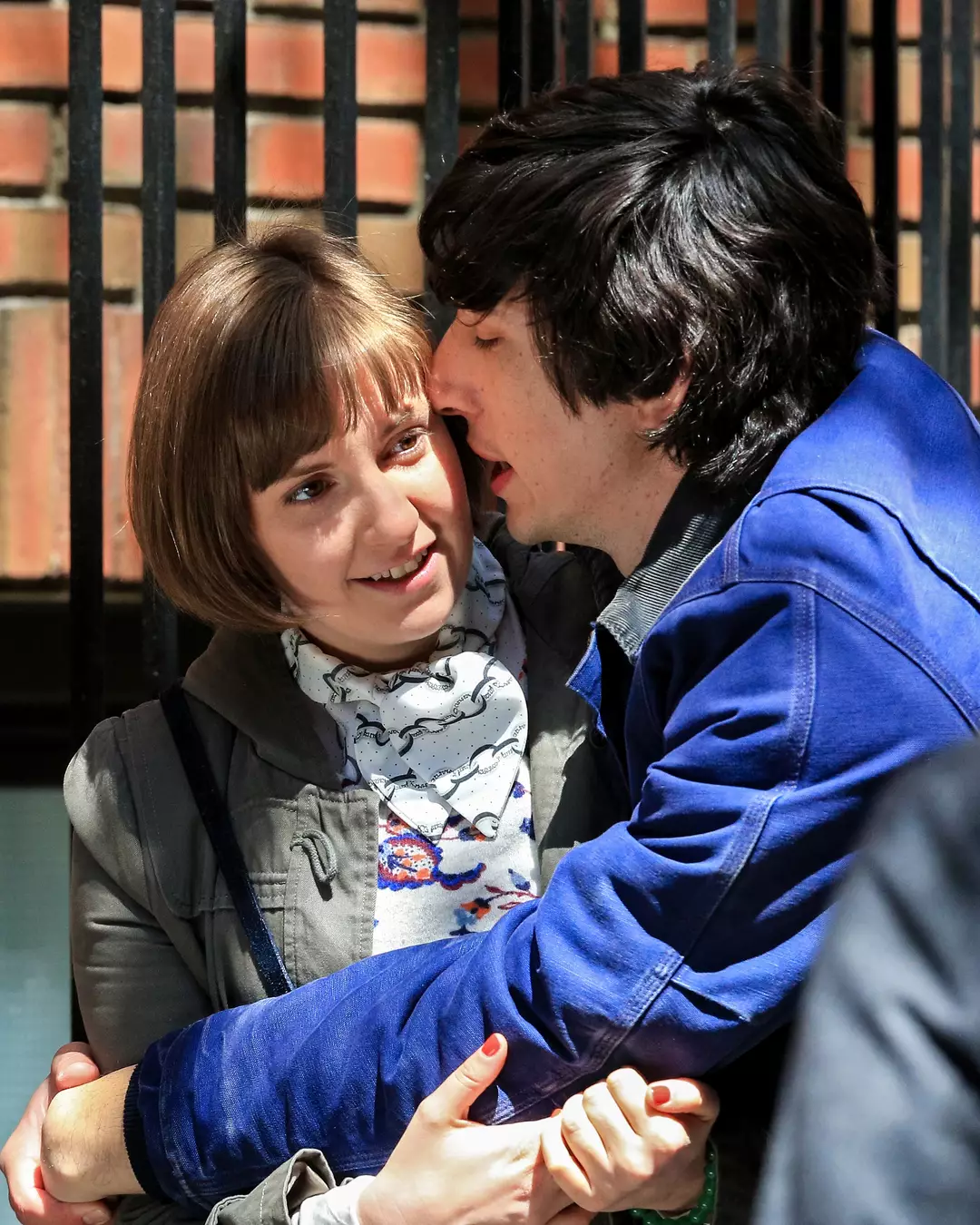
Among the difficult dynamics she describes is a fraught working relationship with her Girls co-star Adam Driver, who played her character Hannah Horvath’s on-and-off partner. The memoir also recounts other painful moments from that period, including Dunham’s claim that producer and former boyfriend Jack Antonoff arrived late while she was undergoing major surgery.
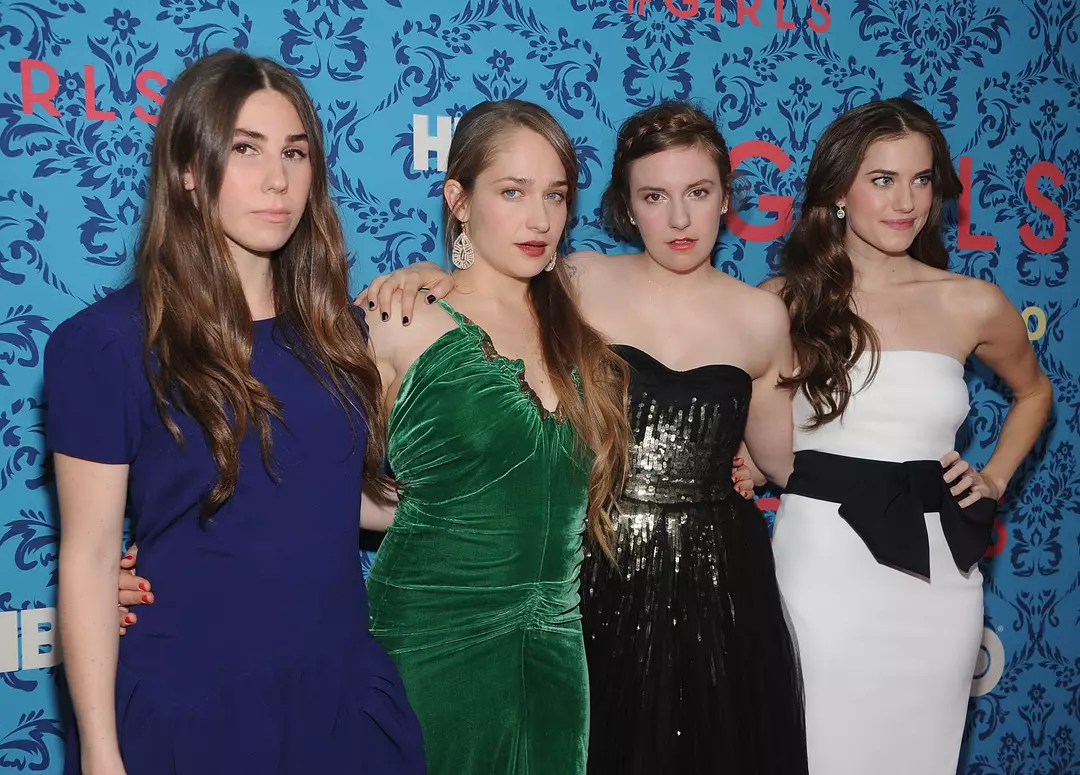
Speaking to the Guardian ahead of publication, Dunham said she and her co-stars—Zosia Mamet, Jemima Kirke, and Allison Williams—felt exposed when the show premiered, describing the experience as being like “lambs to the slaughter.”
She also reflected on what it meant to be writing the series at 23 and then building, producing, and starring in it at 24—learning the rules of the media business in real time while different people tried, in their own ways, to pull her decisions and instincts in competing directions.
That pressure, she suggests, could show up inside the workplace as well. In Famesick, Dunham alleges Driver would sometimes explode in anger over creative frustrations, including one episode where he punched a wall inside his trailer because he disliked his character’s emo-leaning haircut.
In another account from the book, Dunham claims a confrontation escalated when Driver shouted directly at her.
She wrote in her book: “When I opened my mouth, all that came out was a stammer – until finally, Adam screamed, ‘F***ING SAY SOMETHING’ and hurled a chair at the wall next to me. ‘WAKE THE F*** UP,’ he told me. ‘I’M SICK OF WATCHING YOU JUST STARE.’”
Looking back in the interview, Dunham said she didn’t yet have the confidence—or toolkit—to assert her authority in that moment.
“At the time, I didn’t have the skill to … it never entered my mind to say, ‘I am your boss, you can’t speak to me this way,’” Dunham reflected in her interview.
She connected that tolerance to a belief she held in her twenties about how “genius” men were allowed to behave, even though it conflicted with what she’d seen at home.
She said: “And, at that point in my 20s, I still thought that’s what great male geniuses do: eviscerate you. Which is weird, because I was raised by a male genius who would never do that.”
Dunham noted that experiences like these once made her want to work only with women, but she has since come to believe there are many male collaborators who are supportive and respectful.
“I have lots of amazing men in my life,” she added. “Judd [Apatow] is a great hero of mine; Tim Bevan at Working Title is a huge part of my life and so is cinematographer Sam Levy. I just worked with Mark Ruffalo, the most thoughtful, sensitive, politically engaged, beautiful person.
“There’s plenty of them walking around. But there were years when I thought: Can’t I just make things that only have women in them?”