

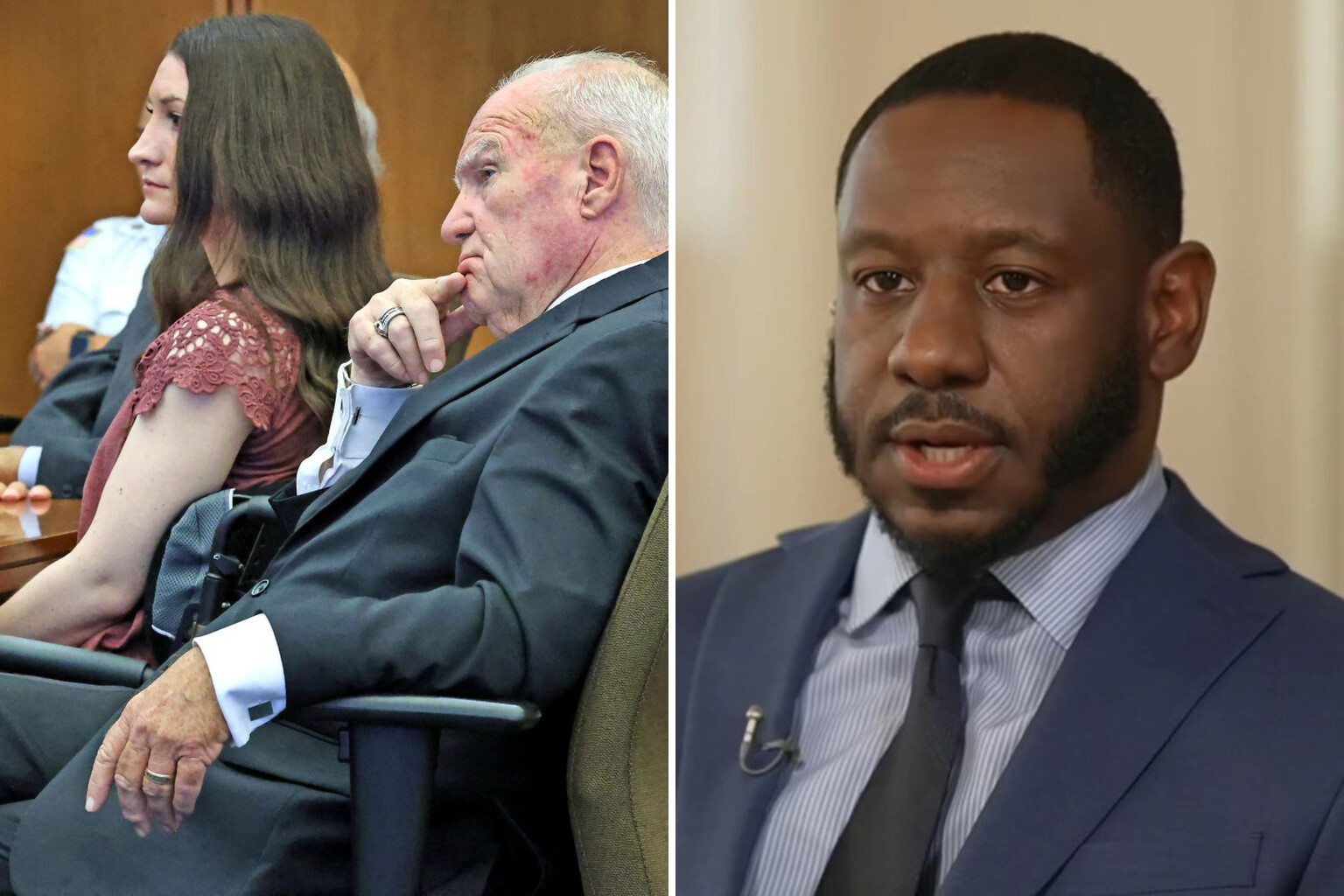
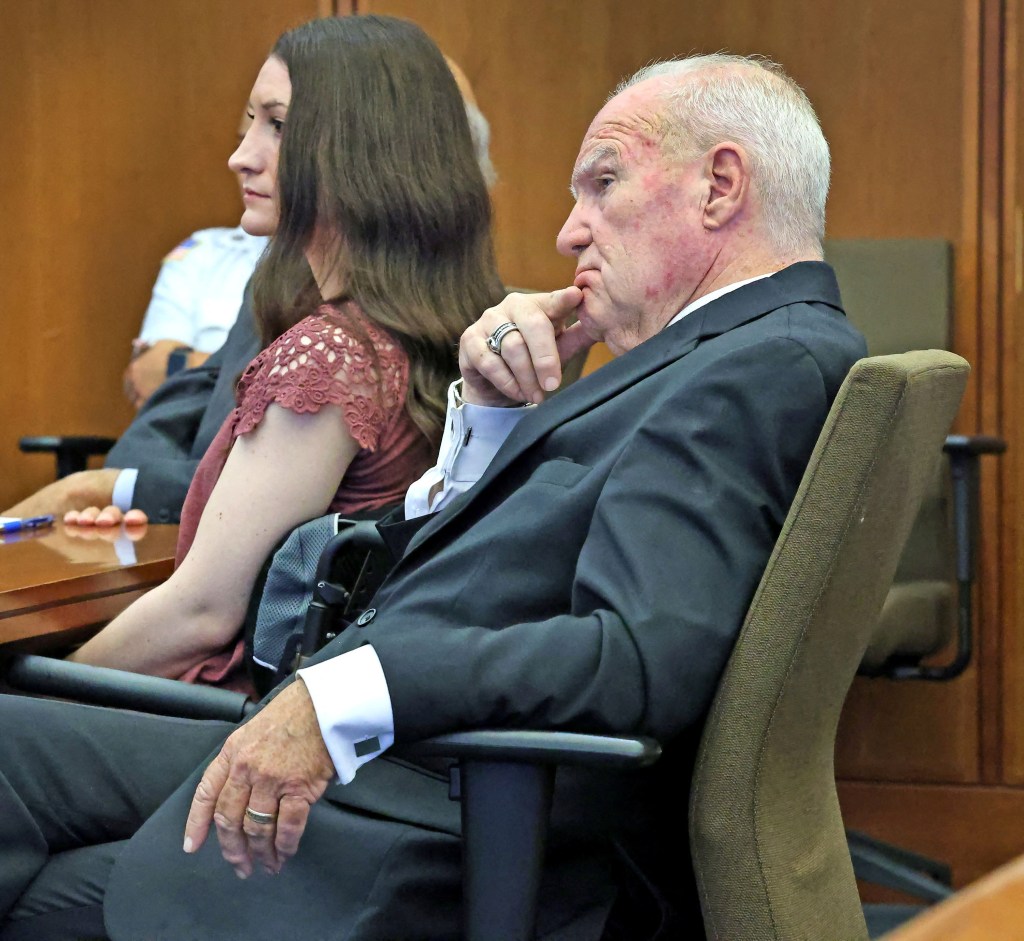
A Massachusetts judge has shut down Lindsay Clancy’s attorney in his bid to investigate the holdout juror whose refusal to convict forced a mistrial in the former nurse’s triple-murder case.
Judge William F. Sullivan ruled Wednesday that any evaluation of the mistrial must be limited to circumstances known at the time the jury deadlocked, rejecting defense attorney Kevin Reddington’s push for a deeper probe into juror Michael P. Desronvil’s conduct during deliberations.
Reddington had sought an evidentiary hearing at a Nov. 2 court date where witnesses would address two key accusations: that Desronvil lied on his jury questionnaire and that he used his cellphone while the jury was deliberating. Sullivan’s ruling blocks that hearing from proceeding on those terms.
The judge went further, declaring that any additional inquiry into the juror’s reasoning or the internal workings of the jury’s deliberations would be inappropriate. That finding effectively walls off the defense from exploring what happened behind closed doors once the 12 jurors began their discussions.
Clancy, a former pediatric nurse, was tried on charges that she murdered her three young children — Cora, 5, Dawson, 3, and Callan, 8 months — in their Duxbury home in January 2023. Prosecutors alleged she strangled each of them with exercise bands while her husband was out running errands.
The defense argued Clancy was suffering from severe postpartum depression and psychosis, rendering her incapable of forming the intent required for murder. Her case became a flashpoint in national conversations about maternal mental health and the criminal justice system’s handling of postpartum illness.
The jury deliberated for several days before announcing they were deadlocked, with Desronvil reportedly the lone holdout against conviction. Under Massachusetts law, a unanimous verdict is required, and Sullivan declared a mistrial rather than allow further deliberation.
Following the mistrial, Plymouth County District Attorney Tim Cruz announced his office would retry Clancy rather than drop the charges. That second trial remains pending while pretrial motions work through the court.
Clancy’s motion to dismiss the charges entirely is still pending before Sullivan. Both sides are scheduled to present arguments on that motion at the Nov. 2 hearing, though without the evidentiary hearing Reddington had requested.
Reddington has been vocal in his criticism of the prosecution since the mistrial, telling reporters that Cruz “doesn’t have a case” after failing to secure a conviction in the first trial. The high-profile attorney has built a reputation for aggressive defense tactics in Massachusetts courts.
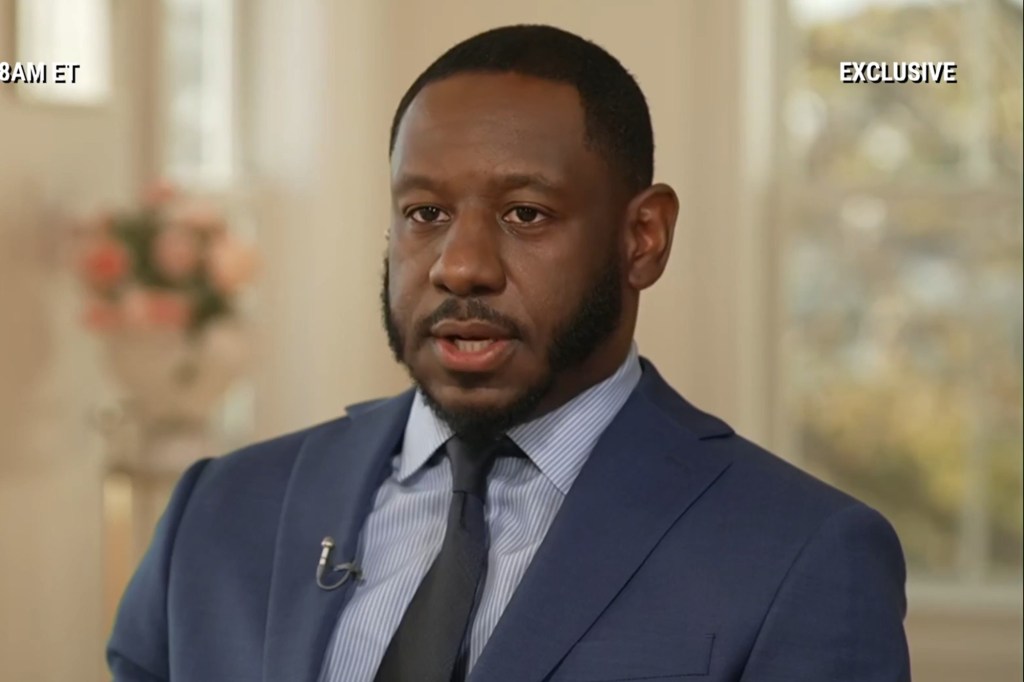
Desronvil, the juror at the center of the dispute, has since spoken publicly about his experience, including addressing a domestic violence arrest in his past that he characterized as “blown out of proportion” in media coverage. His decision to hold out against conviction made him a target of intense scrutiny from both legal observers and Clancy’s own defense team.
The ruling leaves Reddington without a clear path to challenge the jury’s composition or conduct as he prepares for the retrial. Sullivan’s insistence on evaluating the mistrial only through the lens of what was known at the time effectively freezes the record as it stood when the jury deadlocked.
Clancy remains in custody as both sides prepare for the Nov. 2 hearing in Plymouth County court.